
Marvel Rivals Season 9 players blast “visual clutter” that makes the game harder to enjoy
A Season 9 update tied to Apocalypse and Jubilee is drawing heavy backlash, forcing teams to rethink readability and UX.
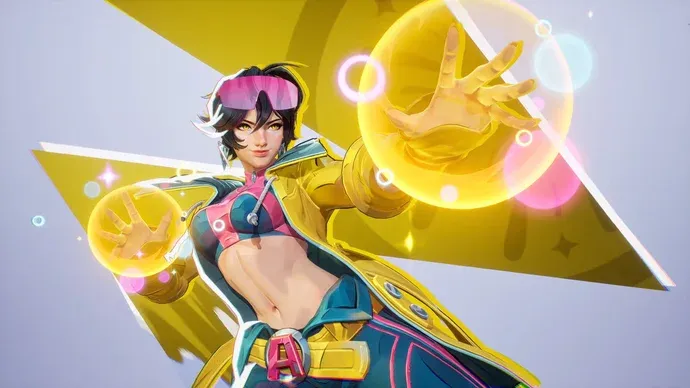
Marvel Rivals has reached Season 9, with a storyline featuring characters like Apocalypse and the recent arrival of Jubilee. Players are heavily criticizing the update, citing “visual clutter” and other issues that make the experience difficult to enjoy.
Marvel Rivals might only be about 18 months old, but it is already on Season 9, and the newest wave of complaints is not about balance patches or server stability. It is about what players can see. According to Eurogamer, players are airing frustrations over Season 9’s excessive “visual clutter” and other issues that make it difficult to enjoy the game.
The controversy lands right where Marvel Rivals tends to pull attention: around major character beats. Season 9 comes with a narrative arc focusing on Marvel characters like Apocalypse, timed to coincide with X-Men '97’s season two. Separately, the game welcomed Jubilee, described as a fireworks-throwing mutant, a few days ago. While many players are digging the new hero, the update that introduced Jubilee has been heavily criticised by fans.
If you are an operator or investor watching live-service games, this is the kind of feedback that can look “soft” until you realize it drives hard outcomes. “Visual clutter” is not just a design nitpick. It changes how quickly players can read combat spaces, understand ability impact, and make decisions under pressure. In competitive titles, that readability gap can quickly feel like unfairness, even if balance numbers are unchanged. The same update that sells a new character can accidentally raise cognitive load for everyone else.
There is also an important incentive mismatch embedded in this moment. Live-service teams are often judged on content velocity and visible spectacle, especially when tying releases to external media calendars. Eurogamer points out that Season 9’s Apocalypse narrative arc is “perfectly timed” with X-Men '97’s season two. When your go-to-market calendar is synced to a franchise moment, it is tempting to lean into bigger effects, more on-screen energy, and more distinct visual identity for new characters. But in multiplayer games, piling on spectacle without strict constraints can turn into signal dilution. The players are essentially telling the team: we can see too much, so we can play less.
From a product governance angle, this feedback loop matters because complaints about clutter often surface indirectly, through frustration rather than formal bug reports. That is why Eurogamer’s framing matters: players are “airing their frustrations,” and the update is being “heavily criticised.” When that intensity shows up early in a season, it can influence community sentiment, streamer behavior, and even how quickly churn risk shows itself. The faster players decide “this feels bad,” the less time you have to correct it before perceptions calcify.
There is another second-order implication that boards and CFOs should care about: content alignment can raise the cost of iteration. If Season 9 and Jubilee are part of a coordinated release cadence, then the team may have less flexibility to roll back or restructure effects quickly, even when the UX problem is real. In practice, studios can adjust visuals, but they need lead time, testing bandwidth, and confirmation that changes do not break other character interactions. What starts as “visual clutter” can expand into a broader readability and effects-optimization project, and that takes time and engineering attention away from the next content wave.
Finally, this is a competitive lesson for any studio in the same ecosystem. Marvel Rivals is already operating at a cadence that many players would consider a treadmill, reaching Season 9 in roughly 18 months. That means each new season is both an art and a systems engineering problem. The game is introducing characters like Apocalypse through its storyline, and Jubilee as a standalone hero drop, and both arrive in a highly visible window tied to X-Men '97’s season two. When players react not to lore or fandom, but to on-screen readability, they are signaling that the core experience design must keep up with the content engine.
Strategically, the stakes for peers are clear: live-service companies can no longer treat visual clarity as optional polish. If a major update, including the Jubilee introduction, triggers heavy criticism around “excessive ‘visual clutter’,” that is a warning that player trust in the game’s moment-to-moment play is being stressed. The fix is not just adding or removing effects. It is making sure the game’s visual language communicates information fast enough for players to enjoy it, even when the franchise spectacle is turned all the way up.
This story's Key Insights and Take-aways are locked.
Create a free account to unlock Executive Actions for one credit.
Register to UnlockAlways free for Executives Club members. Join the Club
More in Entertainment

12TB Steam 'teraleak' goes beyond Valve: GTA 3, Mafia 2 prototypes exposed
A 12-terabyte dump of Steam data reveals prototypes and builds of third-party classics like GTA 3 and Mafia 2, plus unreleased Valve content, rewriting game history.

LinkedIn's romance problem: 1 in 4 workers say dating on it is fair game
A new survey shows a quarter of U.S. employees treat the professional network as fair game for romance, even as LinkedIn bans it and removes hundreds of thousands of offending posts.

Enhypen's first No. 1 album breaks K-pop's Billboard 200 streak
The K-pop group's 98,000-unit debut tops the chart while Dolly Parton's catalog reentry shows how death reshapes streaming.