

Massage gun misuse caused retinal dialysis in Edinburgh man, laser saved both eyes
A case report links weekly eye-adjacent percussive massage use to rare retinal tears, and rapid treatment prevented detachment.
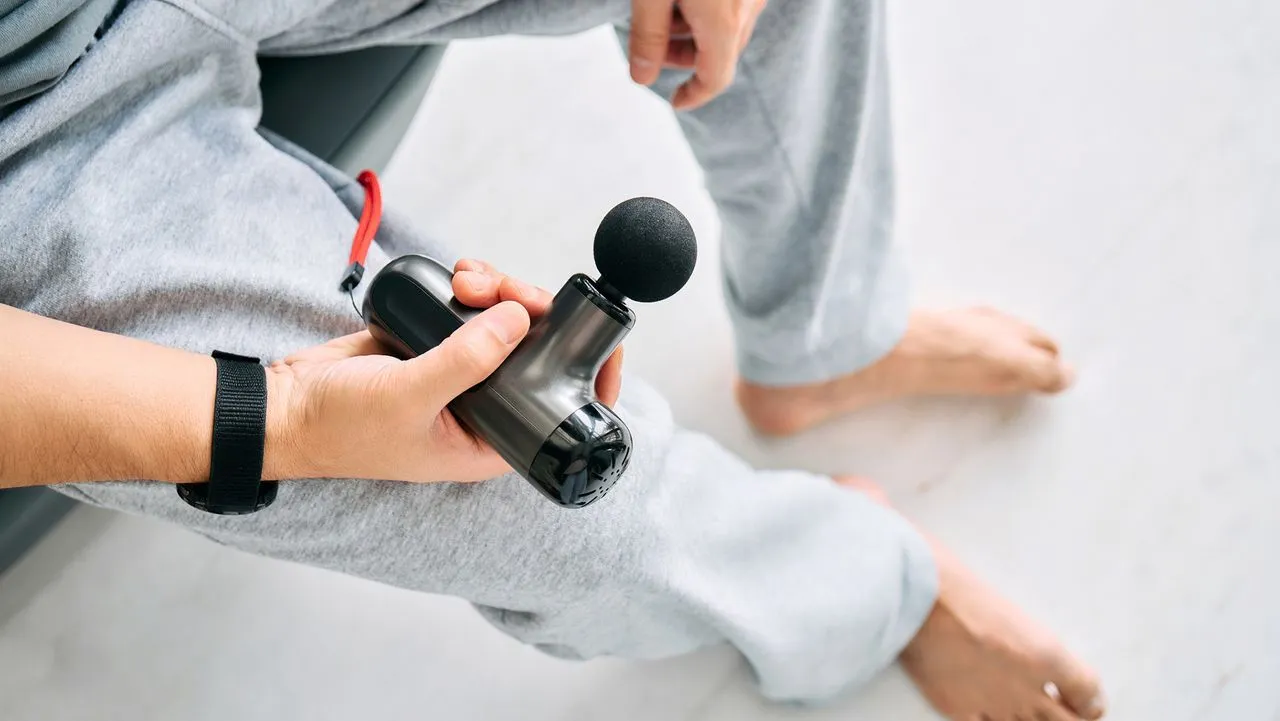
An Edinburgh man in his 20s developed retinal dialysis and multiple retinal tears after using a percussive massage gun directly on and around his eyes for three months, according to a published case report. The outcome was preserved with immediate laser and barrier laser therapy, underscoring a safety gap that manufacturers and boards should treat as real risk.
A man in his 20s in Edinburgh, U.K., went to an eye clinic after noticing floaters and brief flashes of light in his right eye. He ended up with retinal dialysis and multiple retinal tears in both eyes after doctors traced the pattern to improper use of a handheld percussive massage gun around his eyes for the prior three months.
This is the kind of medical diagnostic story that sounds like trivia until you realize the stakes: without treatment, retinal dialysis can progress to full retinal detachment and permanent vision loss. In this case, that did not happen. Doctors treated the tears in both eyes with laser therapy, used “barrier laser therapy” for the retinal dialysis, and a follow-up six months later found his condition remained stable, with no further damage or cataract formation. The case report authors said the positive outcome was “likely due to the patient’s prompt presentation soon after noticing symptoms and the immediate initiation of treatment.”
So what exactly did the patient do? The man had corrected vision of 6/6 (20/20) in both eyes and normal eye pressure when evaluated. That matters because it highlights the diagnostic dilemma: the eye’s surface measures can look fine while the retina, the light-sensitive tissue lining the back of the eye, is taking real damage. A closer retinal exam revealed significant injury. In the right eye, doctors found multiple retinal tears and bruising plus a retinal dialysis, a rare type of tear where the retina begins to separate from its outer edge where it connects to other tissues. In the left eye, there was bruising and six small, horseshoe-shaped retinal tears, three at the top and three on the side of the retinal tissue.
Those injury patterns typically get doctors thinking about sudden trauma to the eye, such as a punch or sports injury. The doctors revisited the patient’s history and asked whether anything unusual had happened involving his eyes. The report describes the patient as a “hesitant historian,” but he later disclosed the key detail: he had been using a percussive massage gun directly on and around his eyes for the past three months. He bought the device himself and used it weekly for several minutes at a time without medical guidance, trying to relieve a “feeling of tiredness” in his eyes.
Here is where the case gets technically interesting and commercially relevant. Massage guns deliver rapid, high-frequency pulses of pressure meant to relieve muscle tension. But the eye is not a forearm. The eye is filled with gel-like fluid that helps it maintain its shape, and the case report authors suggested that each time the device applied pressure, it may have briefly distorted the eye’s shape. Over time, repeated stress may have placed strain on the retina, eventually leading to small tears. Doctors also noted that the injury pattern differed from typical retinal dialysis cases. Retinal dialysis most often occurs in the lower, outer part of the retina, along the bottom edge. This patient’s injuries were found in the upper region, which doctors said may reflect repeated forward pressure from the device rather than a conventional lateral impact like a blow to the head.
If you are an executive, the practical question is not “how can a massage gun do this?” It is “how many products are already being used in ways their safety materials do not cover?” The case authors flagged that massage guns are widely sold for at-home use, yet there are currently no standardized safety guidelines for using them on or near sensitive areas such as the eyes. In other words, the system assumes the customer will know where not to aim the pulses. This report suggests that assumption may be wrong.
From a regulatory and risk management standpoint, the case lands in an awkward middle. The patient presented and was treated quickly, and his vision was preserved. Laser therapy created targeted scar tissue to seal the retina in place and prevent fluid from seeping underneath. The right eye’s dialysis was treated with “barrier laser therapy,” which similarly creates a protective scar around the affected area to reduce the risk of progression. About 8% to 15% of retinal dialysis cases can progress to retinal detachment, which can lead to vision loss. The report does not say the patient was in that 8% to 15% group, only that the procedure worked and stability held at six months.
Second-order implications show up fast. First, rare injuries can still be high consequence injuries, especially when the product is used repeatedly, at home, without professional supervision. Second, even a non-lethal medical event can trigger claims, recalls, brand harm, and stricter rules, particularly if regulators or litigants argue the warnings were insufficient for foreseeable misuse. Third, this case is described as the first to report retinal dialysis and multiple retinal tears linked to massage gun use. That “first” is not a comfort blanket, it is a spotlight: once the mechanism is plausible and the harm is documented, safety scrutiny tends to accelerate.
The report also points to earlier, smaller signals in the medical literature. In one case, a 69-year-old man developed severe eye complications, including lens dislocation and glaucoma, after using a massage gun near his eye for several weeks. In another, a 38-year-old woman developed a dense traumatic cataract and severe vision loss after using a similar device over her temple and eye region. Those cases do not prove prevalence, but they do show a spectrum of serious outcomes.
For boards, product leaders, and anyone steering consumer health hardware, the strategic takeaway is blunt: when a product enters bathrooms, bedrooms, and gyms, “no standardized safety guidelines” becomes a governance gap. The Edinburgh case suggests the gap is not hypothetical. A simple, at-home routine aimed at tired eyes ended with retinal tears and dialysis that required laser to prevent progression. And it only ended well because a young man sought care quickly after noticing symptoms like floaters and brief flashes. Your risk register should reflect that kind of chain reaction: misuse, delayed awareness, and irreversible consequences are a real operating scenario.
This story's Key Insights and Take-aways are locked.
Create a free account to unlock Executive Actions for one credit.
Register to UnlockAlways free for Executives Club members. Join the Club
More in Business

Comcast shares jump 25% as it plans to split NBCUniversal and Sky
The tax-free spin-off could reshape focus, funding, and competition across media and tech for years.

Bungie cuts most Destiny 2 staff as Sony says Marathon still matters
Herman Hulst confirms layoffs affecting most Destiny and some Marathon teams after Bungie admits Destiny fell short.

SK Hynix jumps 11% after seeking up to $29.4B in Nasdaq listing
The chip giant filed for a Nasdaq listing plan that could raise $29.4 billion, instantly reshaping investor expectations.