
Matt Damon turned down Bourne money, demanded Myst-style, and still got ghosted for a game
His Fortnite skin is now his first official videogame likeness, after a 2008 Bourne Conspiracy miss over creative direction.
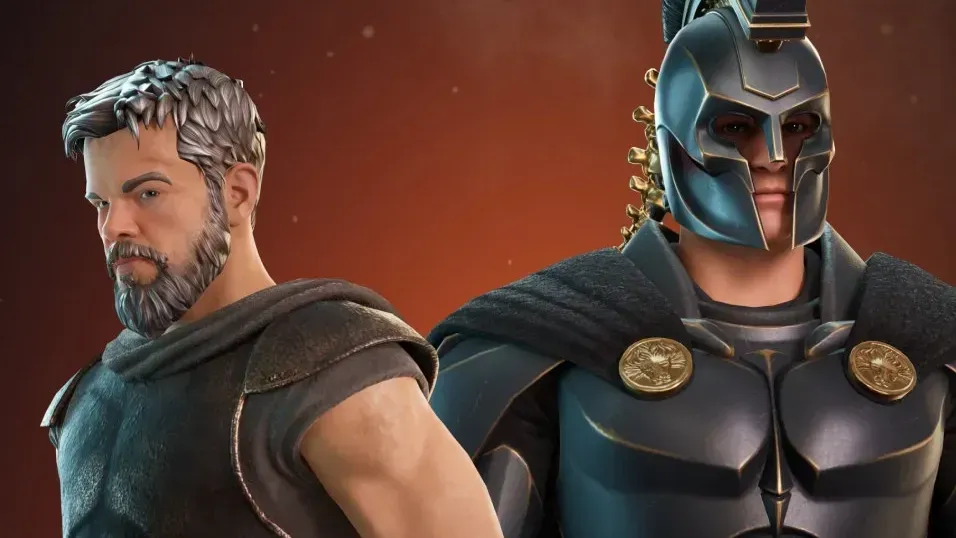
Matt Damon has an official Fortnite skin tied to The Odyssey, making it his first widely recognized videogame likeness. But in 2008, he reportedly rejected an offer to appear in The Bourne Conspiracy unless it shifted toward Myst-style puzzles, and the deal fell apart anyway.
Matt Damon’s new Fortnite skin is not just pop-culture trivia. It is (at least as far as PC Gamer could confirm) his first official videogame likeness, arriving thanks to his leading role in Christopher Nolan’s adaptation of The Odyssey, which hit theaters the same week as the news.
The irony is that Damon did not exactly fail to interact with games because he was uninterested. In 2008, he was asked to lend his likeness for The Bourne Conspiracy, a console game based on the novels behind the film series he starred in. Damon rejected the offer, saying the producers would not make the game more like Myst, according to a 2008 interview with The Boston Globe. He later told the story again on Hot Ones in 2021, including that they offered “a bunch of money,” but the project did not get the creative thought he wanted.
So what actually happened? Damon said the pitch became the classic Bourne problem: the team would not pivot away from the violent first-person shooter direction you would expect from a Bourne-branded console game. In the 2008 Boston Globe interview, he described how he “lobbied hard” to avoid a first-person shooter and to instead make something “more like Myst,” framing it as an interesting puzzle game where players could engage with themes like amnesia or memory. Damon’s position, as he told it, was not abstract. He wanted the gameplay loop and player experience to match the story’s psychological hook, not just the genre’s violence.
The catch is that his likeness did not make it into the final product. Damon said in that 2008 interview that “They weren't interested. They made the video[game] anyway, without my likeness.” In other words, even if the game existed, his brand presence was removed from the equation, reportedly because the developers were not willing to change course. Later, Damon summarized the same arc with a laugh on Hot Ones in 2021, saying, “They offered me a bunch of money.” Then he added the critical condition: there “was like, a little more thought had to go into it,” specifically, “You know, like Myst, I love that game. So I was like, 'You know, more like Myst.' And they were like, 'no,' and just went and made it without me.”
For executives, producers, and boards, this is a reminder that creative direction is not “soft.” It is commercial leverage, because it determines whether a recognizable face signs the licensing contract at all. Damon’s story is basically a real-world case study in how misaligned incentives can wipe out a valuable marketing surface, even when money is on the table. For game companies, the lesson is obvious but still costly: celebrity likeness deals can become hostage to production philosophy. If the game is locked into a shooter-first design, an actor who is trying to steer tone and gameplay can walk, and the resulting absence is harder to retrofit later.
There is also a second-order implication that goes beyond one actor and one game. Damon’s Fortnite skin arrives in a media environment where blockbuster IP and live service distribution are tightly connected. The Fortnite platform is essentially a global billboard, built to absorb cultural moments and keep them rotating. So the very thing Damon resisted in 2008, mainstream shooter sensibilities tied to a Bourne property, is not the story now. Instead, the actor is appearing in a format that functions like Hollywood promotion, not like a prestige console experiment.
That framing matters because the source points out how quickly “what games are” has changed in roughly a decade. Damon made comments in a 2016 Reddit AMA indicating he had not been approached to do voice acting or motion capture but would be “totally be into it,” and he was thinking about the implications of videogames for movies as gaming graphics improve and VR gets better. The source argues that this viewpoint can look out-of-touch now, because the industry’s biggest players have mostly moved on from discussions centered on “authors, actors, storytelling, or competition with Hollywood.” Instead, executives and investors have been excited about things like user-generated content, AI, and “the metaverse,” plus genres built around emergent storytelling like multiplayer survival and comedy co-op.
At the same time, story-focused RPGs are treated as anomalies in this live-service-tilted landscape, even when they are difficult to ship. The source name-checks Baldur’s Gate 3 and Clair Obscur: Expedition 33 as examples of story-heavy hits viewed as exceptions, and it adds that a new Fallout game is reportedly in development while the biggest Fallout development in the 2020s so far has been a TV show. That context helps explain why Damon’s “first videogame role” as a Fortnite skin feels like the modern media economy rather than a one-off casting decision.
If you are an operator or investor in this space, Damon’s arc is a quick gut-check on distribution power, IP dynamics, and negotiation risk. A board should care because a likeness deal is not just branding. It is also a signal of creative alignment. When Damon said “They weren't interested,” he described a mismatch so complete it removed him from the finished product. Now the industry has turned his likeness into a mainstream, high-reach asset, tied to a major studio film release. The strategic stake for peers is simple: if you want celebrity-market-fit, you cannot treat creative direction like a negotiable extra. In entertainment, it is often the deal.
This story's Key Insights and Take-aways are locked.
Create a free account to unlock Executive Actions for one credit.
Register to UnlockAlways free for Executives Club members. Join the Club
More in Entertainment
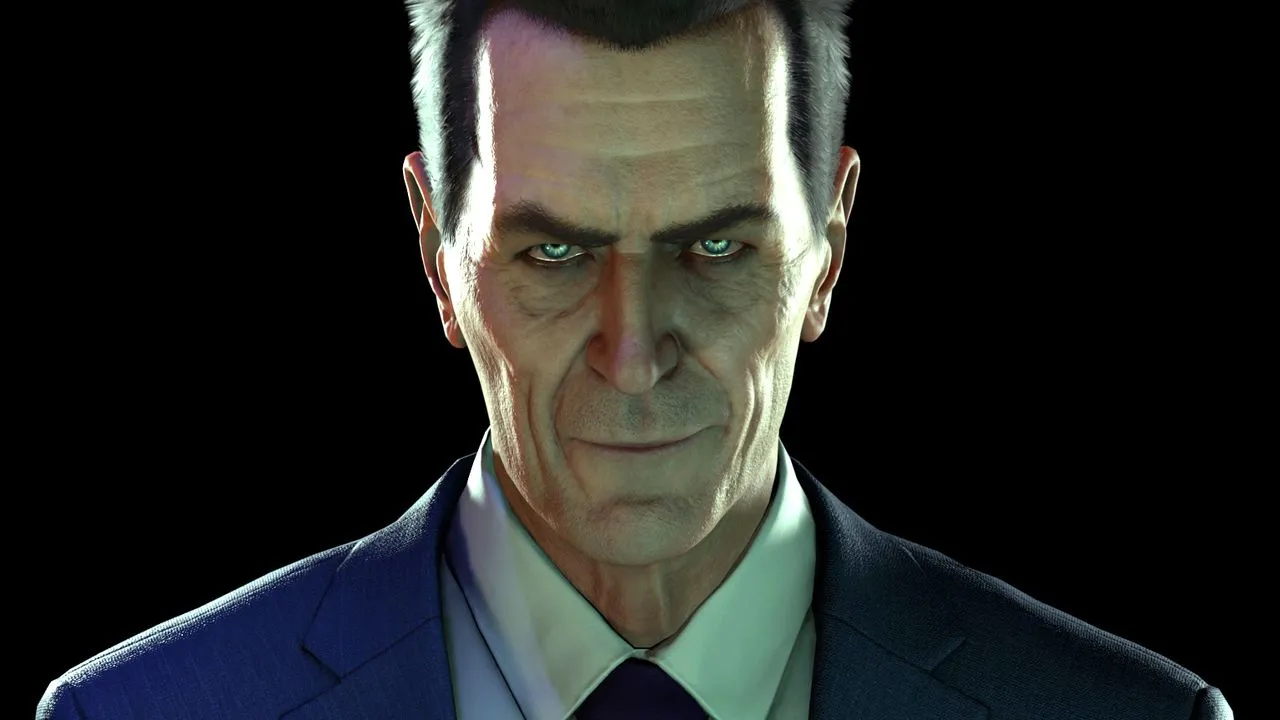
12TB Steam 'teraleak' goes beyond Valve: GTA 3, Mafia 2 prototypes exposed
A 12-terabyte dump of Steam data reveals prototypes and builds of third-party classics like GTA 3 and Mafia 2, plus unreleased Valve content, rewriting game history.

LinkedIn's romance problem: 1 in 4 workers say dating on it is fair game
A new survey shows a quarter of U.S. employees treat the professional network as fair game for romance, even as LinkedIn bans it and removes hundreds of thousands of offending posts.
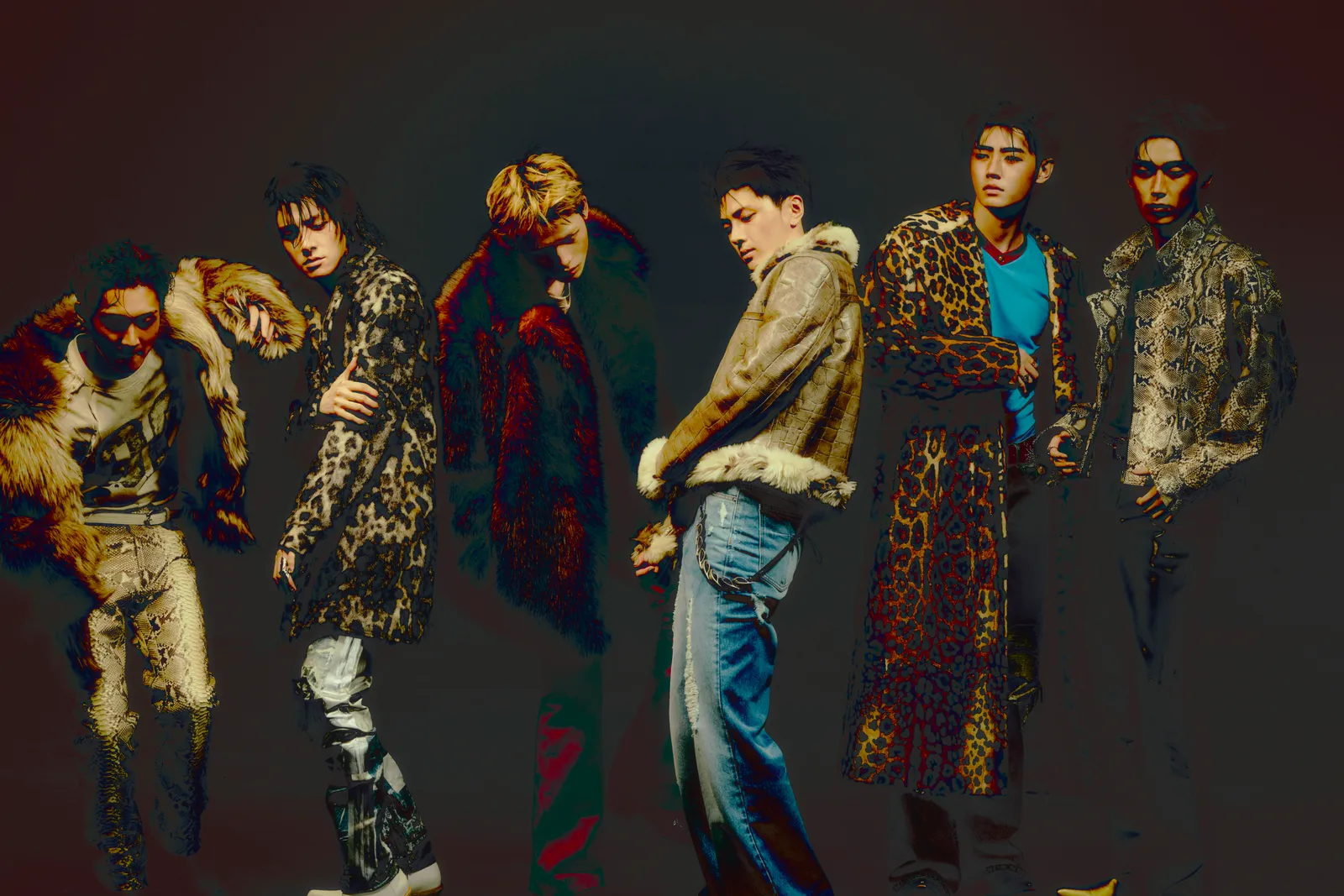
Enhypen's first No. 1 album breaks K-pop's Billboard 200 streak
The K-pop group's 98,000-unit debut tops the chart while Dolly Parton's catalog reentry shows how death reshapes streaming.