

Matt Smith pivots into a steamy murder mystery as House of the Dragon rebounds
As HBO’s Game of Thrones prequel regains momentum, Matt Smith lines up a new series with heat and a body count.
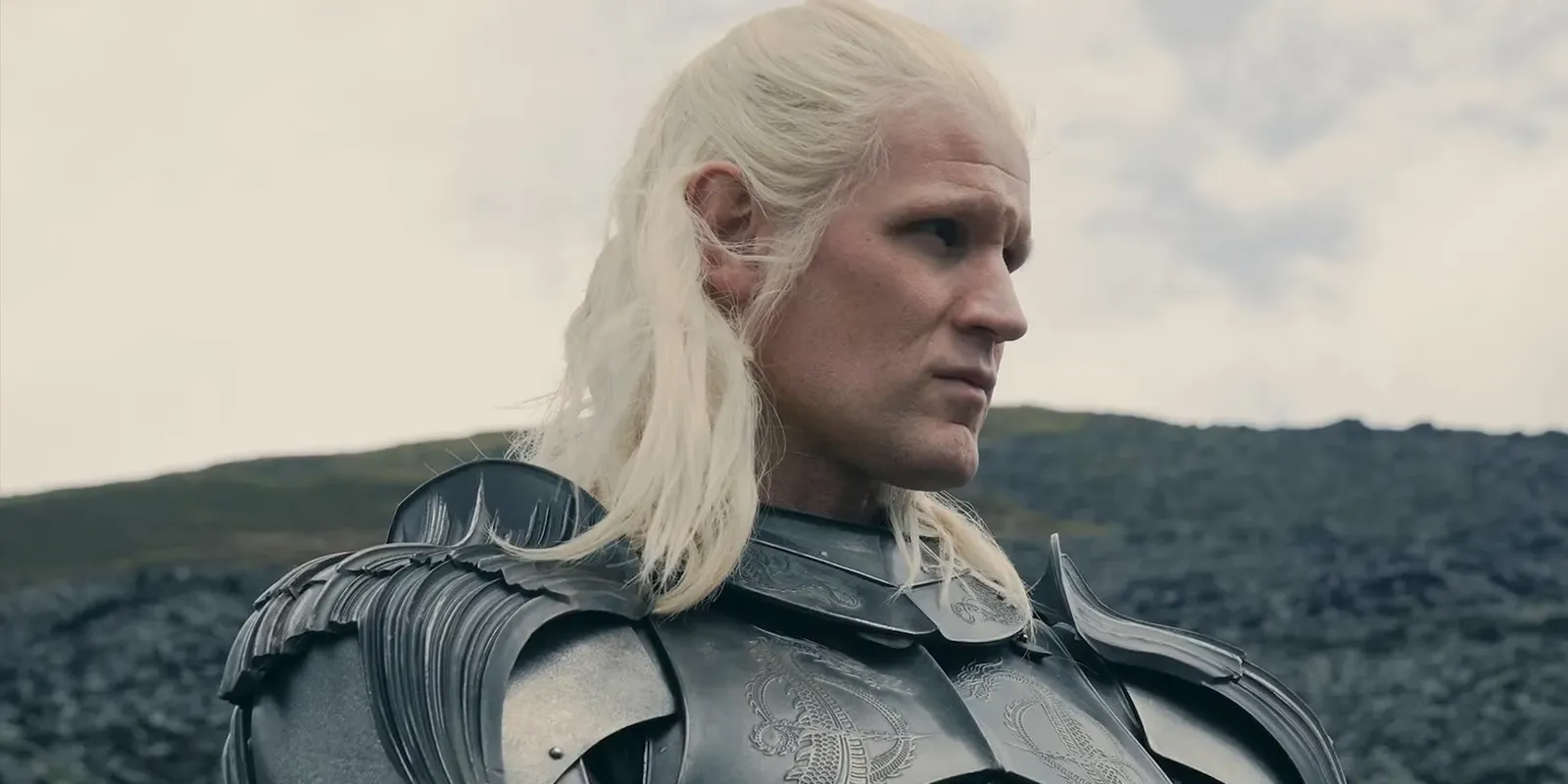
Matt Smith, known for playing Daemon Targaryen on HBO’s House of the Dragon, is set for a steamy murder mystery series. The move lands as House of the Dragon finds fresh audience traction after a rougher second stretch and mixed early reactions.
House of the Dragon is roaring back to life on HBO, and Matt Smith is already positioning his next on-screen move: a steamy murder mystery series. The timing is doing real work here, because the show itself is in a momentum reset. After Season 3 debuted and reached a point described as penultimate in the current run, it started with “a bang” in the latest episodes, with an action-packed depiction of the Battle of the Gullet filled with loss. That kind of scene is not just entertainment. It is narrative ammunition, the sort of moment that tells viewers, “This is going somewhere,” especially after earlier disappointments.
The rebound is measurable in a way executives in media tend to notice quickly. The Collider piece points to critics loving it so far, with a Certified Fresh 91% score on Rotten Tomatoes. That matters because House of the Dragon had already faced enough reputational drag to make the bounce a business story, not just a fandom story. The source notes that the show’s “second run” was met with lackluster reviews for its lack of payoff and even ended two episodes shorter than its inaugural season. On top of that, it faced fiery criticism from George R.R. Martin himself. In other words: the franchise has been under a spotlight where every plot decision becomes a signal, and every skipped beat becomes a headline.
Now slot the Matt Smith angle into that ecosystem. He plays King-Consort Daemon Targaryen, and Collider notes he will be by Rhaenyra’s side along the way, as Rhaenyra (Emma D’Arcy) continues a costly warpath for the Iron Throne. That detail matters because it keeps the character role anchored in the current plot engine, even as Smith looks outward for his next credit. When an actor takes on a new genre while their existing flagship property is stabilizing, it can function like diversification. It is not just career tinkering. It is risk management across audience segments, and it helps maintain relevance if one franchise cycle takes longer than expected.
In media terms, the incentives are pretty clean: franchises want retention, actors want momentum, and studios want to protect the IP ecosystem from “wait-and-see” behavior. House of the Dragon’s current streak appears to be generating the kind of response that reduces churn. The source frames the current outing as so far loved by critics, implying that the show is rebuilding trust after earlier misfires. That is exactly where second-order effects show up for boards and producers: when the creative risk calculus improves, budgets and scheduling become easier to defend internally. If the audience believes the story is paying off, the appetite for the next season strengthens, and the franchise does not have to rely on goodwill alone.
The murder mystery series part is also more interesting than it sounds, because it is not “just another role.” Collider describes it as a “steamy murder mystery series,” emphasizing heat alongside suspense. That blend matters strategically because it targets viewers who like both character drama and high-stakes plot mechanisms. Think of it as a genre bridge. Smith’s Daemon work is heavy on political conflict and loyalty fractures, while a murder mystery demands pacing discipline: clues, reveals, and an emotional investment in who might be lying. If House of the Dragon is currently using spectacle like the Battle of the Gullet to accelerate stakes, a mystery format can do the same thing differently, through information control.
There is also a broader industry rhythm behind this. When a show like House of the Dragon regains critical support, studios often benefit from a “halo effect” that improves marketing leverage for related projects and the performer brand equity that attaches to the main cast. Even if this particular source does not enumerate any studio strategy beyond the role announcements, it still points to the mechanism: the franchise is currently thriving, and Smith is using that window while also adding another narrative lane. For decision-makers, that is the takeaway: career moves in entertainment are tightly coupled to franchise health, and franchise health is tightly coupled to narrative payoff.
Finally, the strategic stakes extend beyond one actor and one HBO series. The source is clear that earlier episodes and reviews did not land cleanly, including disappointment about payoff and a shortened run compared to the inaugural season. When that kind of criticism is amplified, it trains audiences to be more demanding, and it forces all stakeholders, from showrunners to networks, to treat execution as the product. If House of the Dragon can turn a “second run” weakness into a Season 3 resurgence, it sets a benchmark for other prestige dramas chasing the same demographic: build anticipation, then deliver payoff. And if Matt Smith can keep Daemon’s arc active while moving into a steamy mystery, it signals that performers are also reading the market, choosing projects that keep them visible when the franchise spotlight is at its brightest.
This story's Key Insights and Take-aways are locked.
Create a free account to unlock Executive Actions for one credit.
Register to UnlockAlways free for Executives Club members. Join the Club
More in Entertainment

Russell Brand's accuser 'bewildered and confused' as he denies 7 sex charges
The criminal case against the comedian is a live test of how media companies manage talent risk when serious allegations go public.

'It's a Magic Trick': Ballet Experts Say Rosalía's SNL Pose Is Impossible
Three ballet experts tell Rolling Stone Rosalía's gravity-defying SNL stillness shouldn't be possible - and why the debate is now part of the show.

Activision CMO: GTA 6 Will Boost Call of Duty, Not Bury It
Activision's top marketer says Rockstar's blockbuster will drive players back to consoles and into Modern Warfare 4, even as the company admits its recent strategy failed.