
‘Queer Eye’ executive producer warns TV still lacks LGBTQ “spiritual successors”
The creator of the Bravo and Netflix hit says the industry has stopped reflecting full humanity, and the gap matters.
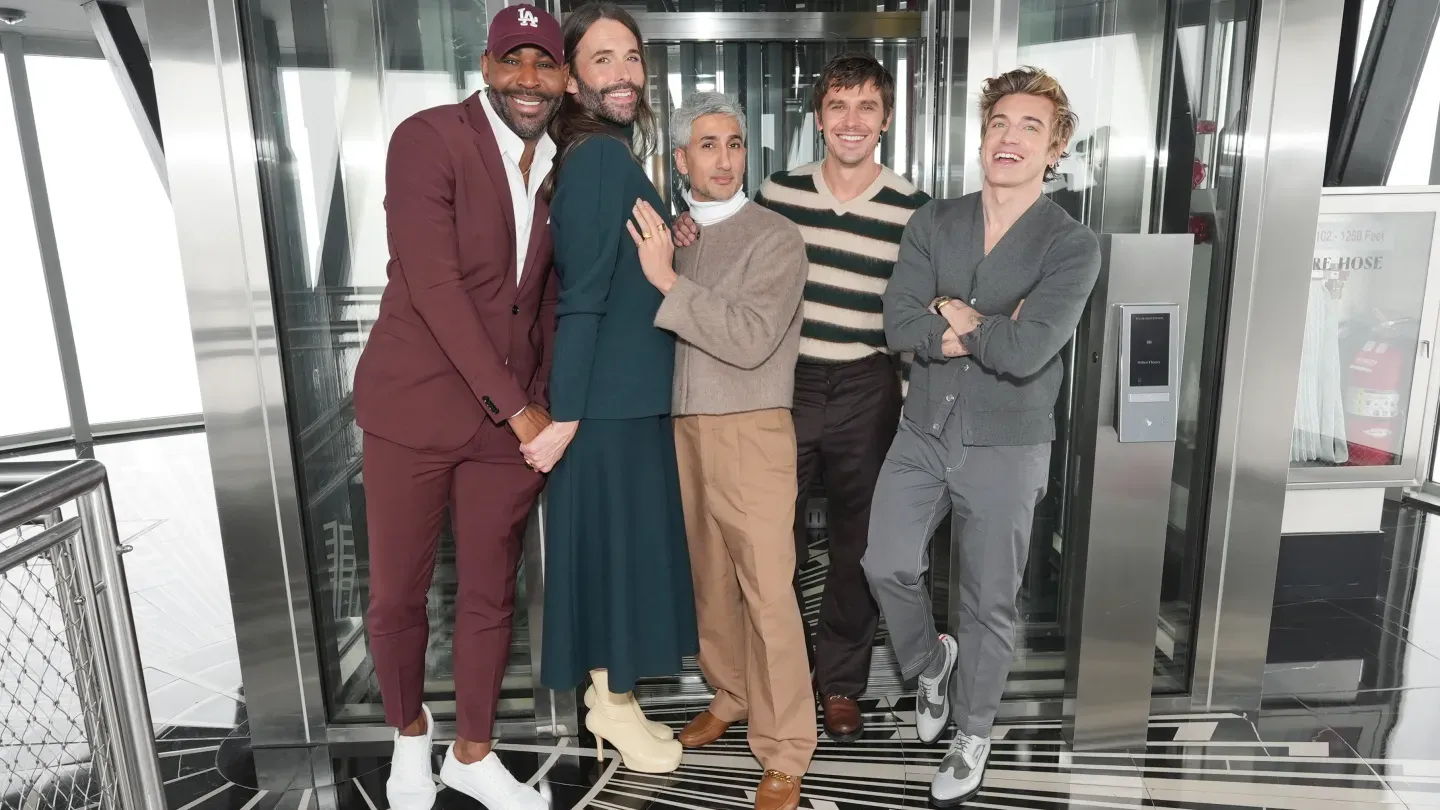
The Hollywood Reporter reports that the executive producer behind Bravo and Netflix’s Queer Eye is frustrated by the lack of LGBTQ spiritual successors. For decision-makers, the concern is more than cultural commentary because it signals a broader pipeline failure in who gets full, mainstream representation.
The executive producer behind Bravo and Netflix’s smash Queer Eye says television has stopped reflecting our full humanity, and he points to a specific missing ingredient: a lack of spiritual successors to his LGBTQ trailblazer. In plain terms, it’s not just that there are fewer shows like Queer Eye. It is that the genre-level momentum that could have carried its values into the next wave has not arrived.
That framing matters because Queer Eye did not only entertain. It demonstrated that audiences would follow emotionally intelligent storytelling powered by LGBTQ visibility, household-name personalities, and transformation arcs that treated viewers with respect. The executive producer’s frustration lands on the failure of that moment to reproduce itself in the broader TV ecosystem, which he argues leaves the world worse off.
To understand the stakes, it helps to look at how hit formats typically breed imitators. When a show proves there is both an audience and a sustainable production model, other networks and streamers usually explore variations. This is true across genres, from competition formats to serialized dramas. But “spiritual successor” is a different bar than “same premise.” It suggests successors that inherit the underlying sensibility: who is centered, how identity is normalized, and how care and dignity are treated as plot-level engines rather than token background.
There are also business incentives pushing in opposite directions. Streaming and cable companies compete for differentiation, but they also compete for predictability. When leadership teams are under pressure to deliver repeatable performance, the easiest path is often to buy or copy surface elements that look legible to executives and advertisers. Cultural leadership is harder. It requires networks to greenlight shows whose value is not just format mechanics but also worldview, tone, and representation that is integral to the story.
That tension can be intensified by board-level risk management. Committees typically ask questions like: Who is the buyer? What is the demographic? What is the backlash risk? What is the path to profitability? The executive producer’s complaint implies that the industry has not fully internalized the lesson that LGBTQ-centered programming can be mainstream, durable, and commercially viable without being diluted. If leadership teams treat representation as a temporary trend instead of a long-term audience expectation, successors become rare and episodic rather than building a ladder.
Then there is the regulatory and policy backdrop that shapes the incentives in the background, even when no one is talking about it in a meeting room. In many markets, regulators and regulators-adjacent bodies have long emphasized non-discrimination and media responsibility, and broadcasters often face compliance expectations around equal treatment and fair portrayal. Even where exact rules differ by country and platform, the second-order effect is similar: media companies must manage social and policy scrutiny while trying to invent new programming. That can produce a cautious programming strategy, where executives focus on safe neutrality rather than bold storytelling that actually expands who gets to be fully human on screen.
Queer Eye sits at an intersection where cultural impact and production logistics overlap. It is built around recognizable personalities and a repeatable structure, which makes it easy to operationalize. The executive producer’s argument, as presented by The Hollywood Reporter, is that operational success did not translate into an ecosystem success: not enough follow-on series carry forward the deeper LGBTQ leadership it demonstrated. When that doesn’t happen, viewers are left with fewer touchpoints that validate identity in everyday life and fewer chances to see care, competence, and community as normal rather than exceptional.
For peers in executive roles, the strategic stake is straightforward: a pipeline gap in “spiritual successors” is a pipeline gap in audience trust. If the industry repeatedly misses opportunities to build on breakthroughs, it doesn’t just reduce content volume. It narrows the cultural narrative, weakens talent development pathways, and makes the next big cultural hit harder to scale because the learning curve is never shared across companies.
The executive producer’s frustration is ultimately a warning that the industry cannot stop at a single landmark show. If television only reflects a partial version of humanity, then what comes next is not progress by default. It is repetition, stagnation, and a world worse off for people who deserve to see themselves treated as fully real on screen.
This story's Key Insights and Take-aways are locked.
Create a free account to unlock Executive Actions for one credit.
Register to UnlockAlways free for Executives Club members. Join the Club
More in Entertainment

Russell Brand's accuser 'bewildered and confused' as he denies 7 sex charges
The criminal case against the comedian is a live test of how media companies manage talent risk when serious allegations go public.

'It's a Magic Trick': Ballet Experts Say Rosalía's SNL Pose Is Impossible
Three ballet experts tell Rolling Stone Rosalía's gravity-defying SNL stillness shouldn't be possible - and why the debate is now part of the show.

Activision CMO: GTA 6 Will Boost Call of Duty, Not Bury It
Activision's top marketer says Rockstar's blockbuster will drive players back to consoles and into Modern Warfare 4, even as the company admits its recent strategy failed.