
Mbappe wins World Cup Golden Boot for a second time, Rodri takes Golden Ball
The record-setting top-scorer and Spain's Golden Ball winner reshape how football rewards game-changing talent.
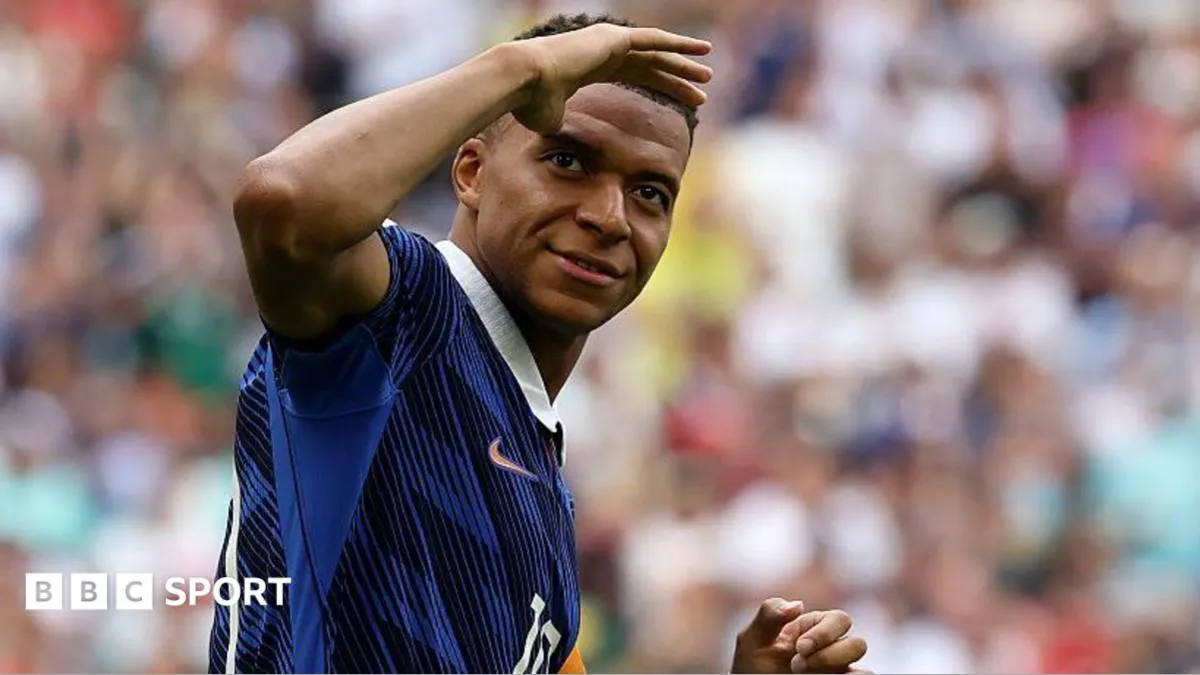
Kylian Mbappe became the first player to win the World Cup Golden Boot twice after earning top scorer at the 2026 tournament. Spain's Rodri was named the tournament's best player, receiving the Golden Ball.
Kylian Mbappe just made history by becoming the first player to win the World Cup Golden Boot twice. He earned the award for top scorer at the 2026 tournament, a distinction that now officially sets a new bar for individual scoring dominance at football’s biggest stage.
The second headline event lands right alongside it: Spain’s Rodri won the Golden Ball as the best player at the 2026 World Cup. In other words, the tournament’s top scorer and the tournament’s “best player” are not the same person, and that split matters more than it sounds. When awards diverge like this, it signals how football evaluates impact, not just output. For decision-makers watching the sport as a business, it is a reminder that measurable production and overall value to a team can be recognized differently.
Mbappe’s Golden Boot repeat is the headline because it is a rare kind of consistency. Winning once is noise. Winning twice, and doing it as the first ever to reach that specific milestone, is signal. The Golden Boot is built around goals and top-scorer performance, so this is a direct acknowledgement that he carried elite finishing across World Cup cycles. For executives, investors, and club operators, that is the kind of repeatable excellence that turns into more than highlight reels. It drives merch, media attention, sponsorship pull, and the market’s willingness to pay for a “guaranteed” game state shift.
Rodri’s Golden Ball is the counterweight, and that is where the strategic conversation gets interesting. The Golden Ball is awarded as the best player of the tournament, which typically reflects a broader view of influence: how a player’s play affects the match across phases, not only the scoreboard. Pairing Rodri in that role with Mbappe as top scorer highlights an evergreen tension in football evaluation. Some awards reward the most obvious measurable output, while others reward the player whose total effect on team performance is hardest to replace.
This matters to the broader ecosystem because World Cup awards are not just trophies. They act like fast, global market research on what fans, analysts, and football institutions reward. When a scoring record sits next to a “best player” nod, the message to players is clear: you can dominate in one dimension and still be judged on the full picture. For clubs and national teams, it influences how they structure scouting and recruitment priorities. A board does not need a spreadsheet to recognize the downstream effect: if recognition can go to more than one archetype of excellence, organizations may protect their risk by not over-indexing on a single profile.
There is also a governance and incentives layer here, even for people who never touch a pitch. Major tournaments are highly regulated by the governing bodies, and awards follow those tournament frameworks. The key practical point is that these awards become part of the sport’s official narratives and institutional memory. Once Mbappe becomes the first two-time Golden Boot winner, that record is locked into the official story of the competition. Once Rodri is named Golden Ball winner, Spain’s player profile becomes part of the official “best player” identity tied to the 2026 World Cup. That kind of institutional recognition can outlast the tournament itself in terms of player brand value.
Second-order implications show up in contract negotiations and sponsorship strategy. When a player is recognized as top scorer, commercial stakeholders often treat goal production as a proxy for consistent global exposure. When a player wins Golden Ball, brands may treat it as a proxy for overall impact and leadership. The split outcome between Mbappe and Rodri suggests stakeholders may benefit from thinking in tiers: output-driven sponsorship anchored to scoring, and prestige-driven partnerships anchored to all-around influence.
For operators and peers in the football world, the stake is simple. If you are building a squad, you need to decide what kind of value you are buying, and what kind of value the market will later recognize. Mbappe’s two-time Golden Boot reinforces that elite scoring at the World Cup is a measurable, repeatable asset. Rodri’s Golden Ball reinforces that tournament-wide “best player” recognition can reward something broader than goals. Together, the awards create a blueprint for how future talent will be valued: not only by how often they score, but by how meaningfully they move matches. And if you are the kind of leader who pays attention to the signals before they become headlines, you should treat this as more than trivia. It is a snapshot of what football rewards right now.
This story's Key Insights and Take-aways are locked.
Create a free account to unlock Executive Actions for one credit.
Register to UnlockAlways free for Executives Club members. Join the Club
More in Entertainment

12TB Steam 'teraleak' goes beyond Valve: GTA 3, Mafia 2 prototypes exposed
A 12-terabyte dump of Steam data reveals prototypes and builds of third-party classics like GTA 3 and Mafia 2, plus unreleased Valve content, rewriting game history.

LinkedIn's romance problem: 1 in 4 workers say dating on it is fair game
A new survey shows a quarter of U.S. employees treat the professional network as fair game for romance, even as LinkedIn bans it and removes hundreds of thousands of offending posts.

Enhypen's first No. 1 album breaks K-pop's Billboard 200 streak
The K-pop group's 98,000-unit debut tops the chart while Dolly Parton's catalog reentry shows how death reshapes streaming.