

McClatchy Slashes Newsrooms by a Third After AI Tool Revolt
The 168-year-old publisher cut up to 30% of staff at papers like the Miami Herald, months after a generative AI tool sparked a staff rebellion.

McClatchy Media cut up to 30% of newsroom staff across its papers, including the Miami Herald and Charlotte Observer, months after a controversial AI editorial tool triggered a staff revolt. The cuts, which affected more than 90 journalists, signal the deepening financial crisis in local news and the risks of AI-driven cost-cutting.
McClatchy Media, the 168-year-old owner of Pulitzer Prize-winning papers like the Miami Herald and the Charlotte Observer, slashed newsroom staff by up to 30% on Thursday, just months after a controversial AI editorial tool sparked a staff revolt. The layoffs, which hit papers in Miami, Kentucky, and the Pacific Northwest, affected more than 90 journalists, according to union estimates, with some outlets losing a third of their editorial teams.
The cuts come on the heels of a rebellion over McClatchy's 'content scaling agent,' a generative AI product that repurposed reporters' existing work under new headlines. More than 30 staffers at the Sacramento Bee threatened to withhold their bylines, and the Pacific Northwest Newspaper Guild said it was 'shocked and disappointed' by the 33% reduction in unionized workers at papers like the Idaho Statesman and The News Tribune.
In an internal memo, management said consumer revenue declined 41% while local news expenses remained flat, arguing that 'the status quo no longer works.' The company said it cannot continue investing where subscriber interest does not support the investment, and that it needs to focus resources to create the greatest value. But NewsGuild President Jon Schleuss called the reasoning into question, saying the 41% figure 'needs to be verified' and accusing McClatchy of pushing 'AI slop' on news sites.
The cuts were widespread: The Miami Herald lost more than 30 positions, well over a third of its editorial staff, according to deputy investigations editor Carol Marbin Miller, who warned that 'Miami is on the precipice of becoming a news desert.' The Charlotte Observer laid off eight employees, about a quarter of its newsroom. At least 13 papers in eight states lost staff, including the Idaho Statesman and papers in Washington state.
McClatchy's move is the latest blow to an industry already reeling from years of consolidation and digital disruption. The company, which emerged from bankruptcy in 2020, has been trying to balance subscriber revenue against the high cost of local journalism. The AI tool was pitched as a way to boost traffic and productivity, but it instead triggered a revolt that exposed the tension between cost-cutting and editorial integrity.
New York Times media reporter Ben Mullin called the memo 'one of the bleakest media layoff memos I've seen in 12 years covering the industry.' The cuts come at a time when local news outlets are increasingly seen as essential to democratic accountability, yet their business models are collapsing. For executives in other industries, the lesson is clear: AI-driven efficiency gains can backfire if they alienate the very talent and trust that underpin the product.
For media executives and boards, McClatchy's experience offers a cautionary tale about the limits of automation in knowledge work. The company's decision to cut staff while doubling down on AI may save money in the short term, but it risks accelerating the decline in subscriber trust and engagement. As Schleuss put it, 'You can't pivot to AI, cut 40% of your local journalists and write "we remain deeply committed to local journalism." You're lying.'
McClatchy has not yet made a public announcement of the cuts, and representatives did not respond to requests for comment. But the silence speaks volumes: in a newsroom, the absence of voices is the loudest signal of all. For peers in any industry facing similar pressures, the takeaway is that technology should augment, not replace, the human judgment that creates value.
This story's Key Insights and Take-aways are locked.
Create a free account to unlock Executive Actions for one credit.
Register to UnlockAlways free for Executives Club members. Join the Club
More in Business

Paramount's Ellison: Merger Clearance Done, WBD Deal by Oct 1
David Ellison says the Paramount-WBD merger has full clearance after settling with state AGs, clearing the path for an October 1 close.
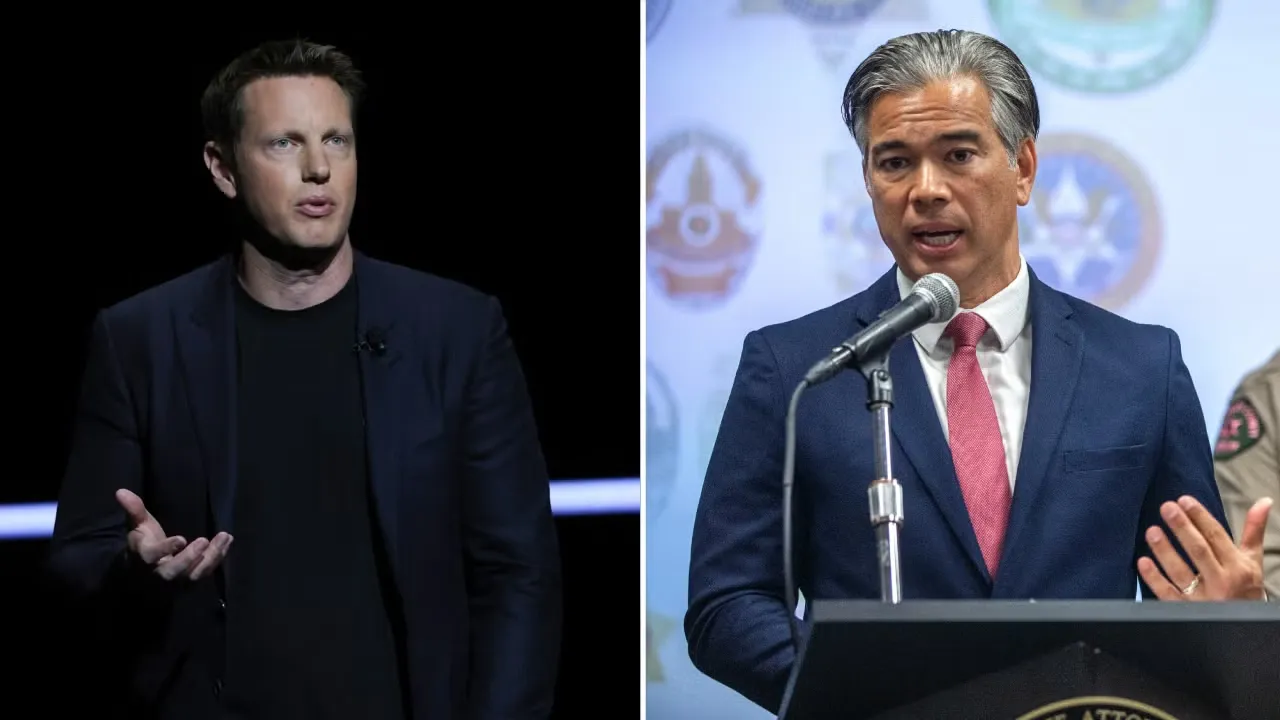
Paramount settles with 12 states, $110B Warner merger clears final hurdle
David Ellison's studio avoids a March trial and a $7M-a-day ticking fee by settling with state AGs over local job losses.

Apple unveils first foldable iPhone Duo with 7.6-inch display under new CEO Ternus
Apple's first foldable, the iPhone Duo, marks a major product bet for new CEO John Ternus, with a 7.6-inch unfolded screen.