

McGregor-Holloway drew 6.5M Paramount+ viewers July 11, peaking at 8.3M streams
UFC’s U.S. and Latin America numbers show how live sports exclusives can move the needle on streaming revenue.
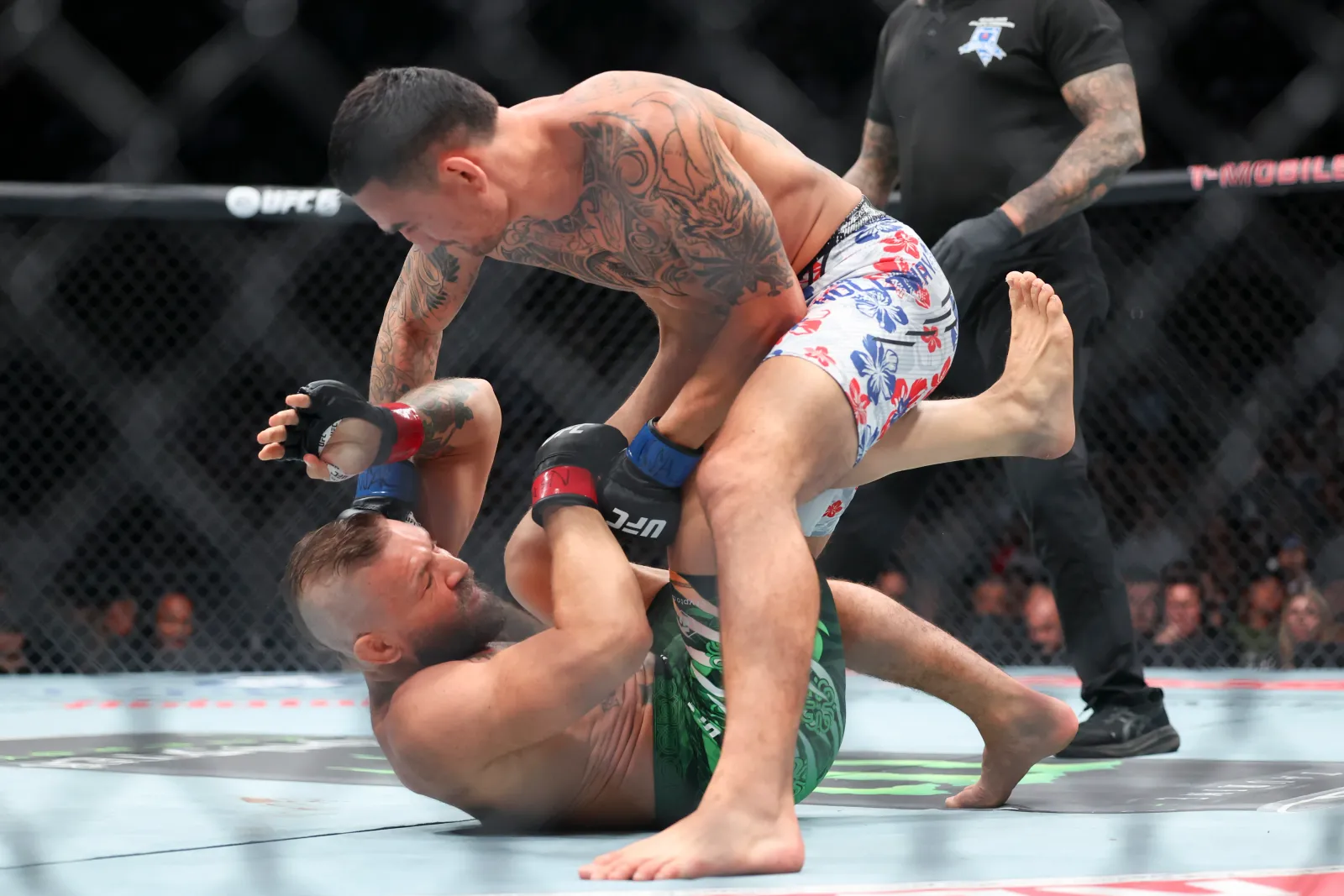
UFC averaged 6.5 million viewers on Paramount+ across the U.S. and Latin America for the July 11 main card headlined by Conor McGregor and Max Holloway. Paramount Skydance says the telecast peaked with 8.3 million concurrent streams, positioning it as the streamer’s biggest “exclusive” live event outside of the Super Bowl.
UFC’s July 11 main card featuring Conor McGregor and Max Holloway averaged 6.5 million viewers on Paramount+ across the U.S. and Latin America. The telecast peaked at 8.3 million concurrent streams, according to Paramount Skydance. Those two numbers matter for one simple reason: they show what “exclusive” live sports can actually deliver when you put a global name on the marquee and build the distribution around one platform.
On Paramount+, the McGregor-Holloway rematch did more than land viewers. Paramount Skydance says that peak of 8.3 million concurrent streams is more than any other “exclusive” live event on the streamer, and only behind Super Bowl viewership. In other words, for decision-makers tracking what it costs to buy attention and how much attention you can buy, this is a rare datapoint: an exclusive event pulling meaningful scale without needing the NFL’s biggest annual moment.
This is also a distribution story, not just a sports story. Streaming businesses live and die by whether big events create measurable lift, and concurrent streams are the kind of metric executives can map to marketing performance, churn risk, and pricing power. A show might have loyal fans, but exclusives test something harder: can you concentrate demand at a specific time, and then keep people from switching away right after? The McGregor-Holloway card gives Paramount+ a benchmark for what demand concentration looks like.
There is an incentive alignment angle here too. UFC and its partners benefit when marquee fights draw broad geographic attention, and Paramount+ benefits when that attention locks to its app during the broadcast window. The numbers reported by Paramount Skydance also reflect how live sports on subscription platforms competes with traditional broadcast habits. For years, live sports carried an “unavoidable audience” advantage. Streaming’s version of that advantage is exclusivity plus timing. The July 11 results suggest UFC helped Paramount+ win that timing game in the U.S. and Latin America.
For boards and executives evaluating content strategy, the key second-order question is not “did it perform?” It is “what does it signal about the next deal?” When a single event tops internal comparisons for exclusive live programming and sits just behind the Super Bowl on peaks, it creates a reference point for negotiating future rights and ad inventory packages. Rights deals are often built around expected reach and engagement. In practice, the first successful data point tends to get treated as a floor, then quietly adjusted upward in negotiations the next time.
Regulatory and policy context matters as well, even for streaming sports. While the source does not discuss regulators directly, live sports distribution is inherently entangled with how platforms market, how content is categorized, and how consumer access rules work across regions. Executives in media and tech typically have to account for compliance obligations while building global-scale programming. Scale events like this can intensify operational scrutiny, because higher viewership means higher expectations for reliability, geo-access, and customer support during peak demand.
The biggest strategic stakes for peers are about learnings and momentum. If Paramount+ can credibly claim that UFC’s exclusive telecast peak of 8.3 million concurrent streams beats any other exclusive live event on the platform, that shapes how competitors plan their own “must-have” lineups. It pressures other streamers to decide whether to outbid on rights, differentiate via production and user experience, or focus on different event categories where exclusivity carries less cost.
And for UFC partners and investors, the takeaway is straightforward: major-event performance still drives platform outcomes. The July 11 McGregor-Holloway rematch averaged 6.5 million viewers and peaked at 8.3 million concurrent streams on Paramount+. That is the kind of evidence executives can take into budgeting cycles and board reviews when they ask whether premium live inventory is worth the risk, the cost, and the operational complexity.
This story's Key Insights and Take-aways are locked.
Create a free account to unlock Executive Actions for one credit.
Register to UnlockAlways free for Executives Club members. Join the Club
More in Business

Uber buys Delivery Hero for nearly $15B, vaulting to top food delivery outside China
The deal doubles Uber's dual-services footprint and pushes a ride-and-eats bundling play into 50 more markets.

Epic and Google drop settlement bid, forcing rival Android app stores by July 22
Google told the court it is ready to carry third-party app stores starting Wednesday, July 22.
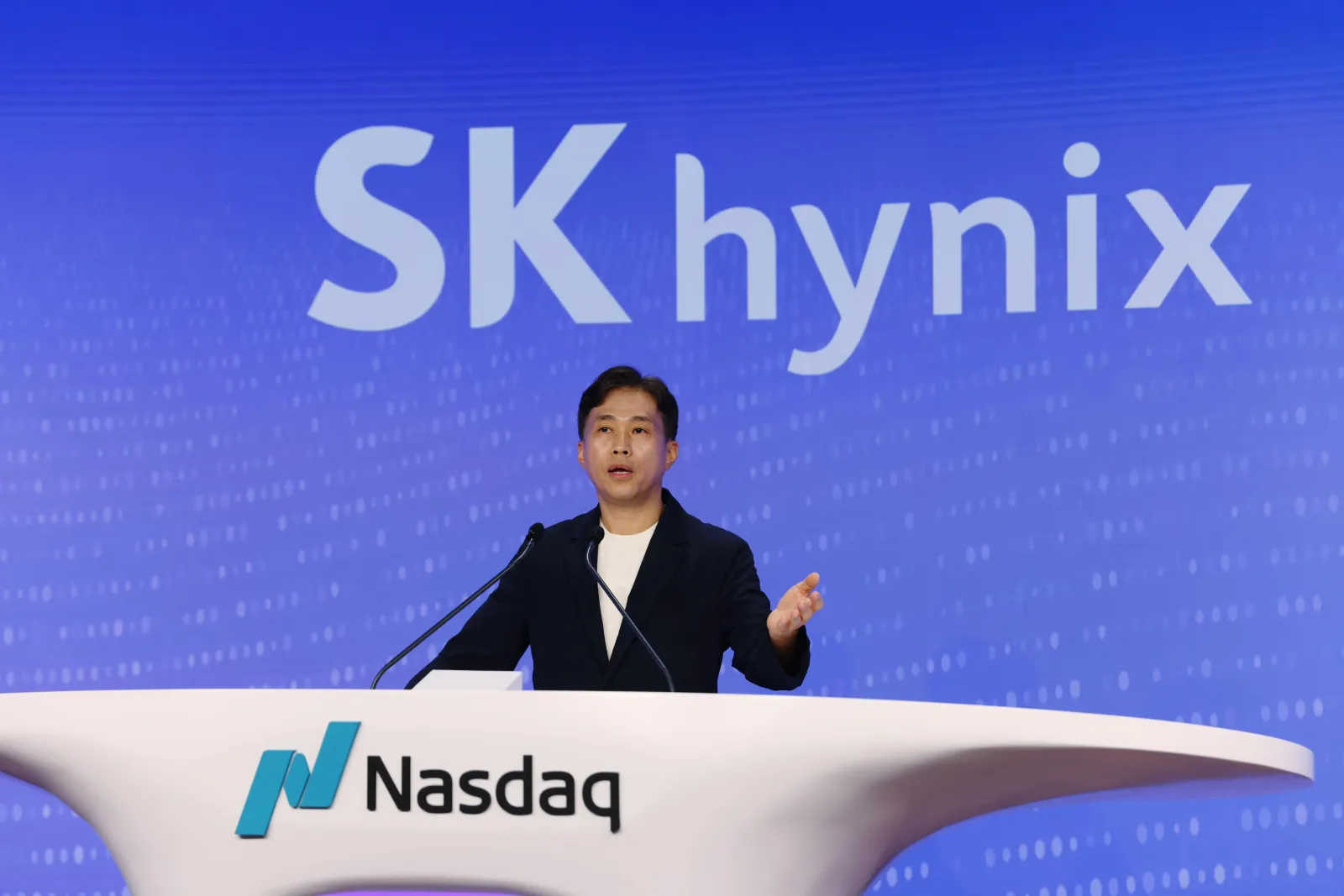
SK Hynix opens at $170, raises $26.5B, and tops foreign IPO records
In Friday's Wall Street debut, SK Hynix turns AI RAM demand into a $26.5B fundraising moment that rewrites comps.