

Medtronic tells patients April breach may have exposed data, but devices stayed safe
Notification letters sent months later say intruders accessed corporate systems, yet Medtronic claims no impact on device therapy.

Medtronic is warning patients that personal and health information may have been accessed in an April cyberattack after it detected unusual activity on April 15. The company says it did not find evidence that data was posted publicly, and it insists no Medtronic device safety or therapy delivery was impacted.
Medtronic just sent breach notification letters to patients, warning that an April cyberattack may have exposed sensitive personal and health information. The company says it detected unusual activity on April 15 and later determined an unauthorized party accessed certain corporate systems between April 13 and April 19. The data described in the notices includes names, contact details, dates of birth, Social Security numbers, and health information. That is the kind of mix that makes patients feel targeted, and it is the kind of risk that regulators and hospital partners care about even when operations are fine.
The second part of the message is the one patients will probably look for first: “Will my device work?” Medtronic’s answer is blunt. Based on its investigation, the incident “did not impact the ability of any Medtronic device to operate safely and deliver intended therapy.” Medtronic also previously said the attack had not affected patient safety, manufacturing, distribution, financial reporting, or its ability to meet patient needs. In April, it emphasized that its corporate IT environment is segregated from networks supporting its products, and that hospital customer networks are managed separately. In other words, this was a data problem first, not an equipment failure.
Still, even if therapy delivery was not affected, the letters raise a more painful executive question: how do you quantify harm when the “corporate systems” line blurs into “patient life” through data? In the notices, Medtronic says it collects the impacted information to provide product updates and comply with regulatory requirements. So this is not generic marketing data. It is data that typically sits at the intersection of medical device compliance, patient engagement, and safety reporting. That is exactly why breach disclosures can become operationally expensive even after a technical fix. You may not need to swap a device. You may need to manage credit monitoring, identity restoration, patient support, and renewed scrutiny from regulators.
Medtronic also tries to close one specific fear. It says there is “no evidence” the information was “posted publicly or exposed on the internet.” But whether attackers made copies of the data is a separate and unresolved question, according to the notification. That matters because ransomware and extortion ecosystems do not always require a public leak to cause real damage. Stolen data can be sold quietly, used to run fraud, or weaponized through long-tail targeting. So the company’s statement reduces one risk category but does not fully eliminate downstream exposure.
Then there is the timeline, which is where this story gets sharper for decision-makers. The company detected unusual activity on April 15 and determined access occurred between April 13 and April 19. Yet Medtronic only began notifying affected patients more than two months later. The notification does not explain why that delay happened, leaving unanswered questions that breach victims and board members both tend to ask immediately: how many people were affected, how the attackers gained access, and why notification took more than two months.
The source also adds a layer of cybercrime theater that executives know is real, even when companies do not officially point to it. Shortly after the intrusion began, the ShinyHunters extortion crew added Medtronic to its dark web leak site. The group claimed it had stolen more than nine million records and threatened to publish the data unless a ransom was paid by April 21. That listing was later removed. The source says ShinyHunters typically removes victims after reaching a deal, and Medtronic’s entry disappeared later that month without any data being published. However, Medtronic’s notification makes no mention of ransomware, extortion demands, or ShinyHunters, and the company has not publicly attributed the attack.
That distinction matters because the public narrative can pressure governance. If a company confirms extortion, it can trigger additional legal scrutiny and operational chaos around incident response and partner disclosures. If it does not, it still has to do the work of protecting patients and proving control effectiveness to regulators. Either way, Medtronic says it has since implemented additional security measures, worked with law enforcement and relevant regulators, and is offering affected individuals two years of complimentary credit monitoring, dark web monitoring, and identity restoration services.
For peers across medtech, hospitals, and health data platforms, the second-order lesson is clear: even when physical safety is unaffected, the compliance and trust fallout can be immediate and long-lasting. Boards should look beyond “did devices keep working” and ask whether the organization can demonstrate segregation, access control, and patient-data governance well enough to withstand both patient scrutiny and regulator questions about timing and scope. This incident also underscores how cyber incidents involving corporate networks can still translate into patient-level obligations, because in healthcare, the line between “IT” and “care” is rarely clean. Medtronic’s letters may reassure patients that therapy delivery was not impacted, but they also serve as a reminder that data risk alone can become a strategic stress test for any executive team managing regulated products and regulated trust.
This story's Key Insights and Take-aways are locked.
Create a free account to unlock Executive Actions for one credit.
Register to UnlockAlways free for Executives Club members. Join the Club
More in Business
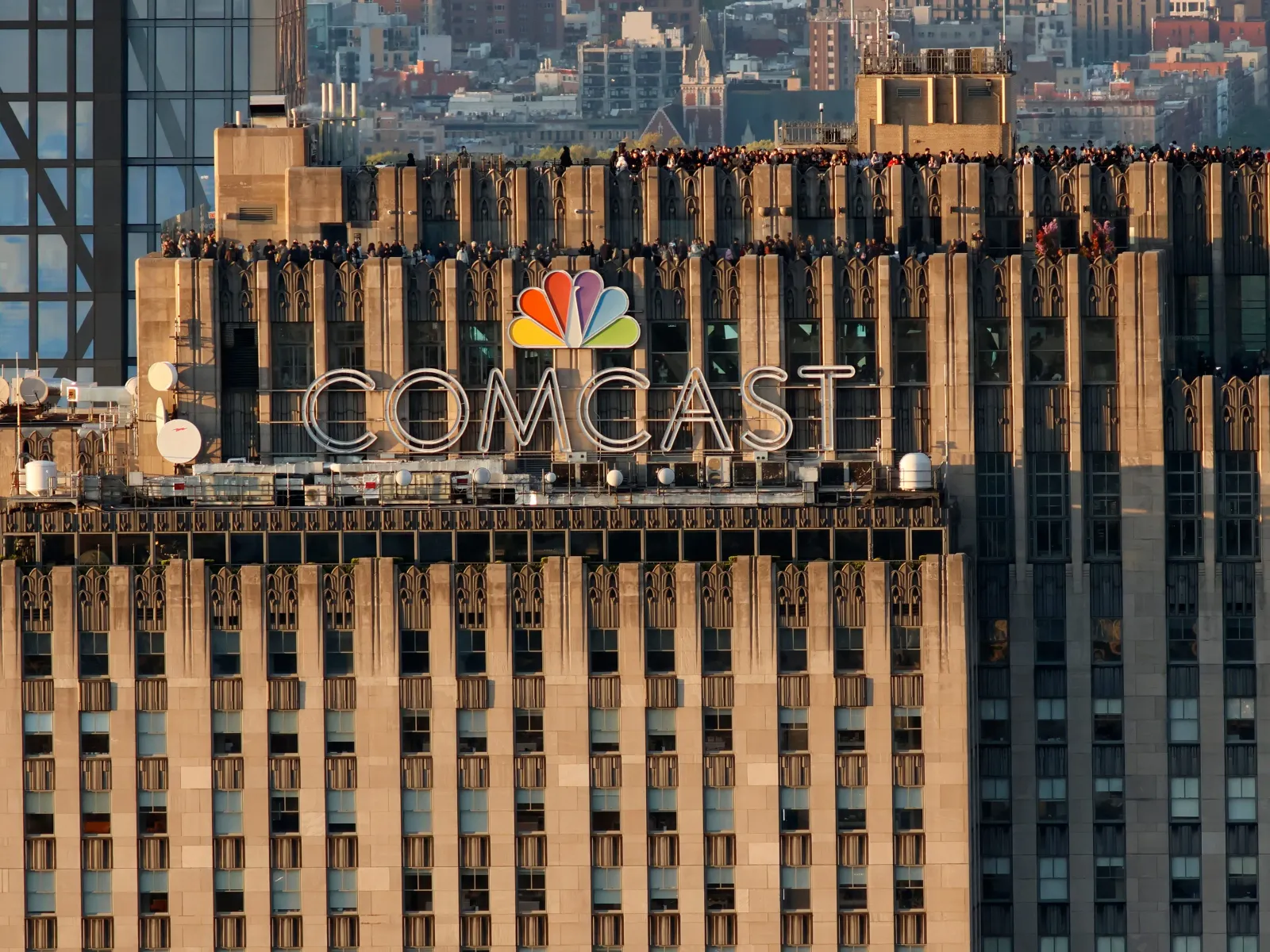
Comcast shares jump 25% as it plans to split NBCUniversal and Sky
The tax-free spin-off could reshape focus, funding, and competition across media and tech for years.

Bungie cuts most Destiny 2 staff as Sony says Marathon still matters
Herman Hulst confirms layoffs affecting most Destiny and some Marathon teams after Bungie admits Destiny fell short.

SK Hynix jumps 11% after seeking up to $29.4B in Nasdaq listing
The chip giant filed for a Nasdaq listing plan that could raise $29.4 billion, instantly reshaping investor expectations.