
Meiji gained market share in China chocolate as shoppers turned to foreign brands
Bain & Co and Worldpanel say domestic brands still win overall, except in specific categories like chocolate.
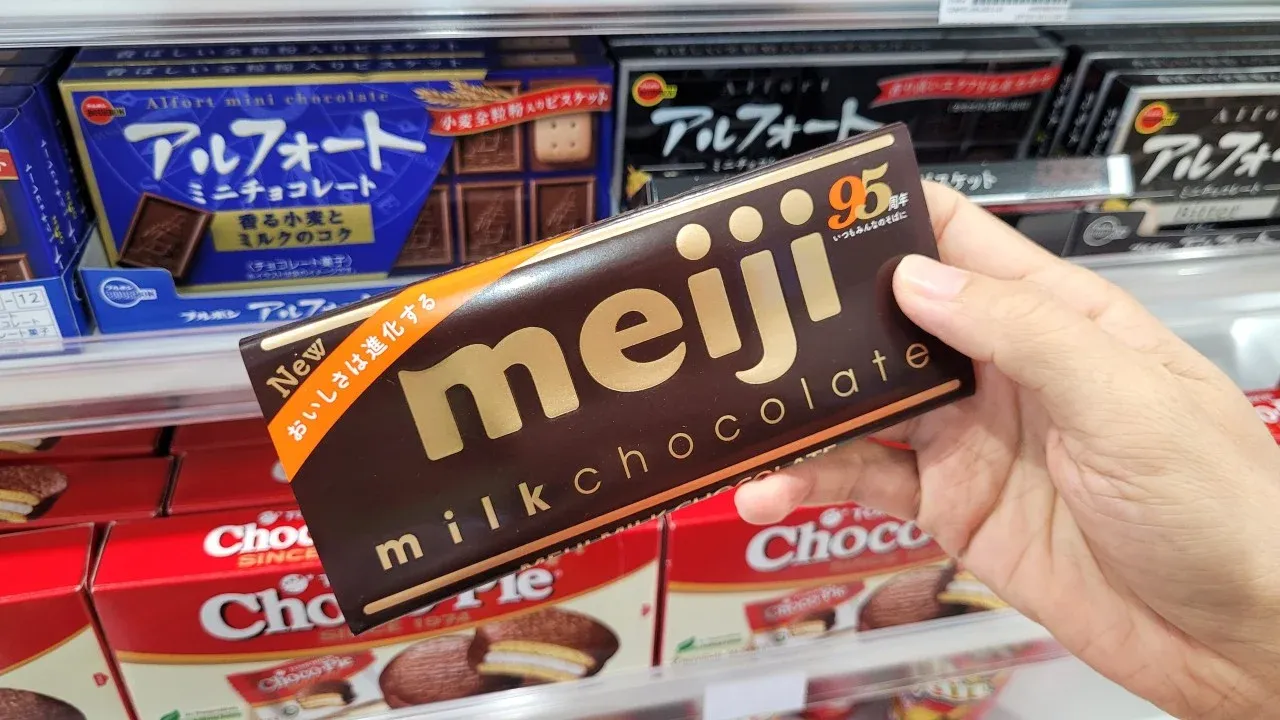
Bain & Co and market researcher Worldpanel released a report Tuesday showing Chinese shoppers overwhelmingly prefer domestic brands, but not in several product categories. The shift includes foreign strength in chocolate, where Japanese brand Meiji gained market share last year, forcing brands and retailers to treat category choice like a battlefield.
Chinese shoppers mostly stick with domestic brands, and that headline alone would be comforting to any local manufacturer. But the report Bain & Co and market researcher Worldpanel released on Tuesday makes the real story much more interesting: in a handful of categories, more shoppers are reaching for foreign competitors anyway. The categories the report calls out are chocolate, infant formula, diapers and instant noodles. In other words, this is not a blanket “foreign is better” moment. It is a selective trust flip, and it happens in exactly the kinds of products where consumers are most sensitive to quality signals.
Chocolate is where the trend shows a clear, named winner. According to the report, Japanese brand Meiji gained market share last year in China chocolate, building on a reputation for high quality and “Japanese craftsmanship.” That matters because chocolate is not a regulated health product like infant formula. So if consumers are willing to pay attention to country-of-origin cues and perceived workmanship even there, it suggests category-specific brand trust, not just pricing, is doing the heavy lifting.
To understand why this matters to executives, zoom out from the product shelves and look at how consumer preference usually works in China. Domestic brands tend to dominate many segments, from electric vehicles to electronic products to various everyday goods, according to the report. That overall dominance signals a strong local supply chain and familiar branding. Yet the same report identifies pockets where foreign brands still win, which is exactly what decision-makers should care about. If you are building revenue plans, you cannot assume that “domestic share is rising everywhere.” You have to map which product attributes consumers trust domestically and which they do not.
There is also a momentum effect. When foreign brands gain share in specific categories, they often capture more than just a customer once. They can become the default recommendation inside a family shopping routine. The report’s list includes diapers and infant formula, two parts of the consumer journey where parents and caregivers are typically cautious and repeat buyers. But even outside baby care, the logic holds. Instant noodles and chocolate are repeat purchase categories too, just with different emotional drivers. In instant noodles, buyers may optimize for taste and consistency; in chocolate, they may optimize for perceived quality and gifting occasions. A foreign brand gaining share in these categories can then reinforce itself through word-of-mouth, promotions, and shelf placement.
The regulatory backdrop, especially around infant and baby products, is part of why those categories get singled out. Even when the report does not spell out policy details in the snippet provided, it is reasonable to say the environment has long shaped consumer confidence in sensitive food and health categories. When regulation or enforcement increases the salience of safety and quality, consumers tend to treat brand reputation as a proxy for compliance. That helps explain why infant formula and diapers are on the same list as chocolate. The specific driver differs by category, but the shared theme is trust under uncertainty.
For boards and operators, the bigger implication is strategic segmentation. The report’s framing suggests domestic brands can win widely, but they should expect foreign competitors to carve out durable moats in categories where buyers use quality cues like craftsmanship, origin, and established reputations. Meiji’s market share gain in chocolate signals that even where domestic products are plentiful and often competitive, foreign brands can still translate reputation into share. Retailers should also notice: store managers who rely on broad “domestic vs foreign” assumptions will misread demand patterns if the real variation is category-level.
Executives should translate this into action by tightening how they evaluate competition. “Category” here is not a simple label like “food” or “baby.” It is a bundle of consumer expectations: safety, taste, consistency, and status. A domestic brand that looks strong in electric vehicles or everyday goods can still face headwinds if it does not land the specific trust cues consumers want in chocolate, infant formula, diapers, or instant noodles. In practice, that might mean different marketing emphasis, different product development priorities, and more disciplined partner and supply chain execution for the categories where foreign share is rising.
The takeaway for leaders is to respect the exceptions. The report says domestic brands dominate overall, but Meiji gaining market share last year in China chocolate is a reminder that consumer loyalty is conditional. Decision-makers who treat every shelf the same will likely overestimate where domestic brands can coast. Those who treat each category as its own trust story can protect share, spot threats earlier, and allocate resources with more precision in the places where foreign brands are already winning.
This story's Key Insights and Take-aways are locked.
Create a free account to unlock Executive Actions for one credit.
Register to UnlockAlways free for Executives Club members. Join the Club
More in Business

A flaw in PHP just forced governments to pull their own sites offline
European agencies from Belgium to Germany took websites dark to patch a critical weakness in the language behind almost 70% of the web, and the blast radius extends far beyond government portals.

BioWare shuts down, Mass Effect 5 dead after $55B EA buyout
The legendary RPG studio's closure lands months after a $55 billion investment group buyout of EA, raising tough questions for gaming's biggest acquirers.

Musk weighs Tesla-SpaceX mega-merger as boards form review panels
Special committees at both companies will examine a tie-up that could fuse electric vehicles and space launch, forcing a fresh look at governance and valuation.