
Meta CTO Andrew Bosworth: morale is near the worst in 20 years
Bosworth tells employees morale is up there with the Cambridge Analytica era as layoffs and AI programs hit trust and culture.
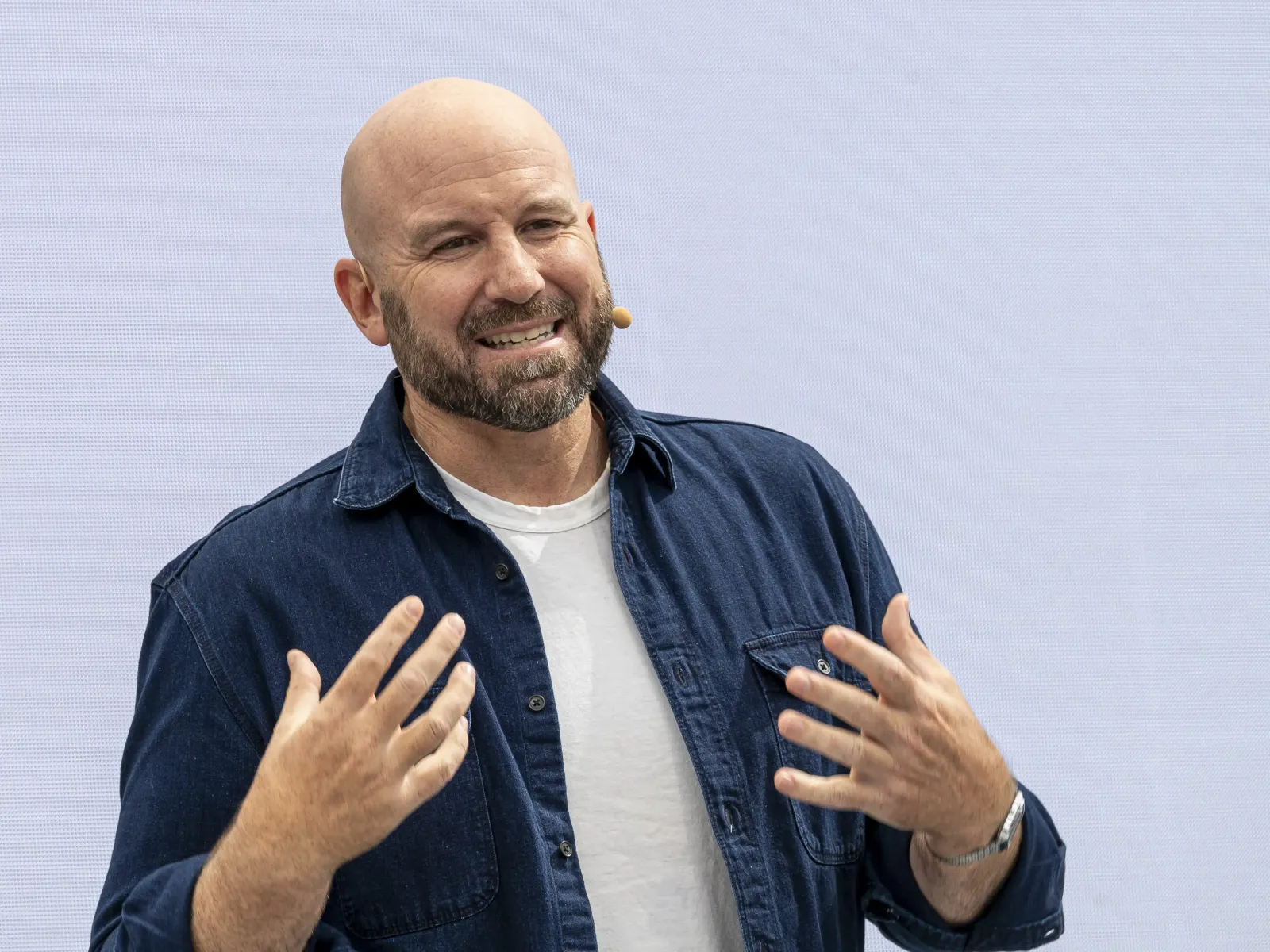
Meta CTO Andrew “Boz” Bosworth said morale at Meta is near an all-time low during an internal “Tuesdays with Boz” chat on June 2. He linked the current slump to mass layoffs, mandatory AI-related work, and internal initiatives, and said Meta is responding with career development and other steps.
Meta CTO Andrew “Boz” Bosworth did not hedge when describing how employees feel right now. During an internal “Tuesdays with Boz” chat on June 2, Bosworth told staff that morale is near an all-time low, “maybe not the worst it’s ever been in 20 years here, but it’s probably up there. It’s definitely up there.”
He then tied the comparison to the one scandal every Big Tech operator remembers: Cambridge Analytica. Bosworth said that was “probably the worst” time for morale, and added that morale is “probably one of the worst it’s ever been in 20 years here.” Meta declined to comment for the story, but Business Insider reports that these remarks reflect how internal leadership is framing the moment: the vibes are off.
So what changed to push Meta into this “up there” zone again? The source points to two overlapping forces that many employees experience as career and identity threats, not just operational adjustments. First, Meta laid off 10% of staff in May, explicitly citing the need to offset its huge AI investments. Second, it reassigned roughly another 10% of its workforce to train its AI models. When workforce reductions and forced reallocation hit at the same time, morale rarely drops in a neat, linear way. It drops in trust, in meaning, and in the feeling that your manager’s promises are conditional.
Business Insider also reports that some employees described joining the mandatory task force as being “drafted,” and said they viewed the work largely as data-labeling. That distinction matters because “AI training” can sound like cutting-edge engineering, but data-labeling often feels like grunt work with unclear long-term payoff. Add in the earlier April backlash, and the internal narrative gets harder to reverse. In April, Meta faced employee pushback over an initiative to track mouse movements and keystrokes to improve Meta’s AI models. Even when the business rationale is clear, the lived experience is often about surveillance, autonomy, and consent. That is exactly the kind of emotional context that can make morale comparisons to Cambridge Analytica feel earned.
Behind the scenes, leadership is trying to manage the post-layoff psychological contract, not just the headcount spreadsheet. Bosworth sent a memo to staff saying Meta needs to “be the best place for the best people to do their best work,” and that he hoped to “rekindle the best of the culture” that people joined, according to a copy obtained by Business Insider, first reported by Wired. The memo also emphasized support for doing things the right way for the long term, including taking smart risks when the situation calls for it, and recognition. It further commits to transparency from leadership and employees’ personal and career development.
Meta’s response, as described in the source, has both symbolic and logistical pieces. The company will allow people reassigned to the AI task force to reapply for other jobs within Meta if they want to, giving employees at least some control over their next chapter. It is also increasing budgets for travel, events, and snacks, which is a small operational line item but a real cultural signal: “we know things feel worse, and we are doing more than a policy statement.” It is not a full rewrite of the last two months, but it is the kind of practical intervention that can help leadership slow the bleeding while larger changes take effect.
Zoom out, and there is a wider regulatory and governance backdrop that executive teams cannot ignore. Cambridge Analytica involved misuse of user data for political targeting during the 2016 election, and Bosworth directly referenced that scandal. While this story is about internal morale, the regulatory framing is relevant because data practices and AI measurement programs are where employee trust and public compliance converge. In an environment where regulators scrutinize privacy and data usage and employees watch for changes in how their work is governed, morale becomes an operational risk. It affects retention, hiring, and whether critical knowledge stays inside the building instead of walking out the door.
For other tech leaders and board members, the second-order lesson is blunt: workforce strategy and AI buildout are not just cost decisions. They are culture decisions, especially when they include mandatory reassignments and surveillance-adjacent experiments. If Bosworth says morale is “up there” with the worst era in 20 years, then this is a governance and people issue, not merely an HR issue. Executives who treat AI investment as a purely financial line will miss the feedback loop. When employees interpret layoffs, task force work, and data collection as signals that the company values output over people, even the best engineering narratives struggle to land.
This story's Key Insights and Take-aways are locked.
Create a free account to unlock Executive Actions for one credit.
Register to UnlockAlways free for Executives Club members. Join the Club
More in Business
SpaceX’s first options day breaks U.S. records after a $85B IPO win
Big IPO, bigger options debut: what it means for investors, risk teams, and anyone benchmarking market appetite.

SpaceX valuation surges to $2.6T, briefly overtakes Amazon as shares start trading
The valuation jump of $1T in a single day changes the reference point for risk capital and public-market comps.

SpaceX vaults past Amazon in 3 days, briefly topples Microsoft, and enrages some bulls
Market cap, Musk wealth, and retail mechanics collide with acquisition-driven AI spend and looming investor scrutiny.