
Meta CTO says bad actors are rare. His next glasses may have no camera.
Andrew Bosworth's Instagram AMA defends camera glasses, but a reported camera-free version suggests Meta is hedging on privacy.
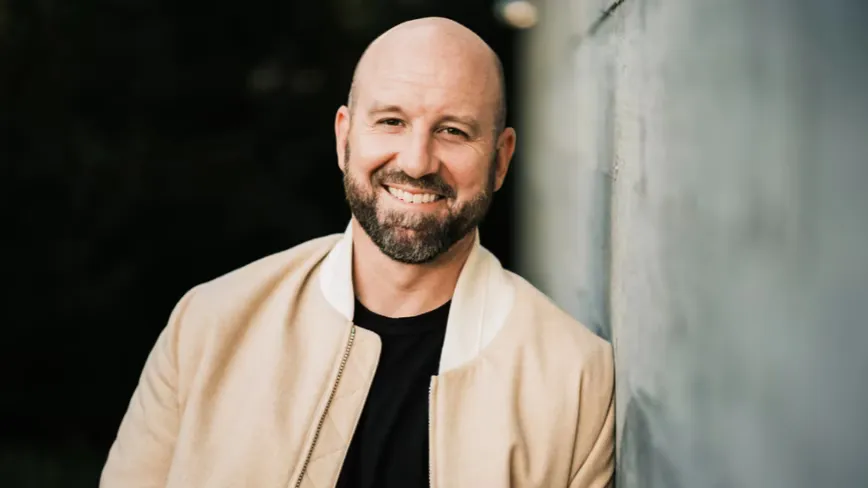
Meta CTO Andrew Bosworth used an Instagram AMA to argue that a small number of bad actors should not define the conversation about its smart glasses, per a Business Insider report. The reported plan to launch a camera-free version signals Meta is bracing for privacy backlash even as it pushes wearable computing.
Meta's chief technology officer, Andrew Bosworth, used an ask-me-anything session on his personal Instagram to push back on the idea that its camera-equipped smart glasses are a privacy problem. According to a Business Insider report by Katie Notopoulos, Bosworth argued that the conversation should not be shaped by a relatively small number of bad actors. Most people use the glasses normally, he said, much as they would a phone camera, only more convenient.
That defense lands at an awkward moment. Meta is reportedly preparing to launch a version of its glasses without a camera, a move that undercuts the "it's just a phone camera" argument and suggests the company itself sees the camera as the liability. If the report is accurate, the camera-free variant is an admission that the hardware's most powerful feature is also its most controversial. It is a hedge dressed as a product line extension.
The glasses in question are Meta's Ray-Ban collaboration, which has been one of the company's few unqualified hardware wins. The camera lets wearers capture photos and video hands-free, but it also enables a uniquely uncomfortable failure mode: recording people without their knowledge or consent. Bosworth's framing is a classic platform defense: the technology is neutral, the problem is a few bad actors. That argument has been made by every social media company about content moderation, and it has rarely ended the debate. The difference here is that the camera is physical, not algorithmic. A bad actor with a phone is already a problem; a bad actor with a camera on their face is a different category of concern because the recording is invisible to the person being filmed.
Privacy regulators have taken notice. The European Union's General Data Protection Regulation imposes strict rules on capturing identifiable people, and several US states have laws against covert recording. A camera-free version of Meta's glasses could sidestep those concerns entirely, but it also raises a strategic question: if you strip the camera, what is left? The glasses would still have audio, an AI assistant, and potentially future display technology, but the camera is the feature that makes them feel like a computer on your face rather than a Bluetooth headset. Removing it changes the value proposition, and it changes the economics, because the camera is also a key reason people pay a premium for the device.
For Meta, the reported camera-free model is a risk-management tool. It lets the company keep selling the camera version to enthusiasts while offering a privacy-safe option for workplaces, schools, or countries with stricter laws. It also gives Meta a ready answer when a regulator or a viral video shows someone using the glasses to film a stranger in a locker room or a bathroom. The company can say: we offer a version without the camera. That is a meaningful corporate defense, even if it does not satisfy critics who argue the camera version should not exist at all. It also creates a natural experiment: if the camera-free version sells well, Meta learns that privacy is a feature, not a constraint. If it flops, the company can argue that consumers voted with their wallets.
For competitors and executives, the move is a reminder that hardware companies are now designing for trust, not just utility. Apple's Vision Pro, Snap's Spectacles, and a wave of augmented reality startups all face the same tension: the more capable the device, the more invasive it can feel. A camera-free SKU is a low-cost way to test demand and signal good faith, but it also fragments the product line and complicates the software story, because developers have to build for two different hardware configurations. Bosworth's AMA and the reported camera-free launch are two sides of the same strategy: defend the camera in public, but build an exit ramp in private. For decision-makers watching the wearables race, the lesson is that privacy is no longer a compliance issue; it is a product design constraint. The company that figures out how to deliver the magic of a camera without the creepiness will own the next decade of personal computing. Meta is trying to have it both ways, and the market will decide whether that is a hedge or a wobble.
This story's Key Insights and Take-aways are locked.
Create a free account to unlock Executive Actions for one credit.
Register to UnlockAlways free for Executives Club members. Join the Club
More in Business

Paramount's Ellison: Merger Clearance Done, WBD Deal by Oct 1
David Ellison says the Paramount-WBD merger has full clearance after settling with state AGs, clearing the path for an October 1 close.
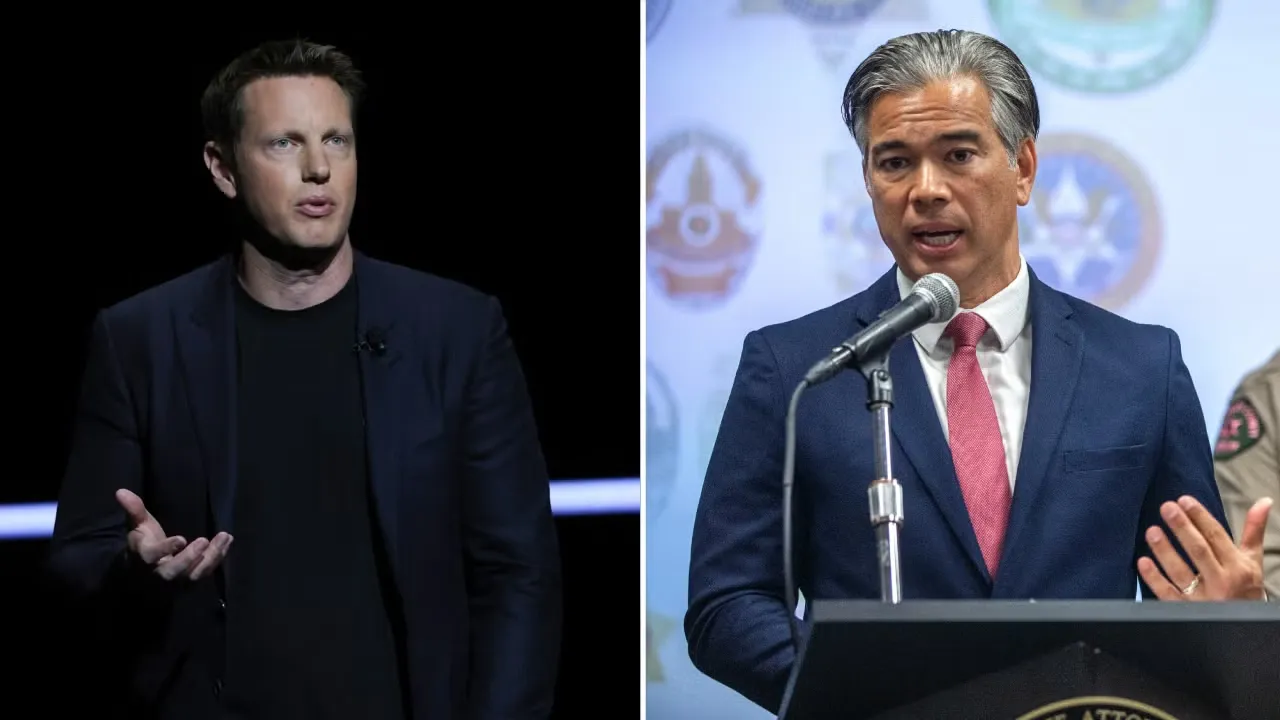
Paramount settles with 12 states, $110B Warner merger clears final hurdle
David Ellison's studio avoids a March trial and a $7M-a-day ticking fee by settling with state AGs over local job losses.
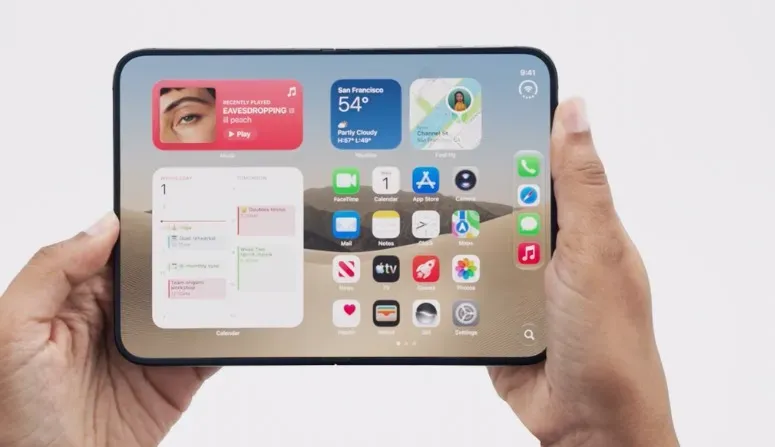
Apple unveils first foldable iPhone Duo with 7.6-inch display under new CEO Ternus
Apple's first foldable, the iPhone Duo, marks a major product bet for new CEO John Ternus, with a 7.6-inch unfolded screen.