
Meta exits renewable push, betting instead on 10 natural gas plants for data centers
Meta’s renewable energy pullout reverses last year’s momentum and locks more power supply to natural gas, with board-level implications.
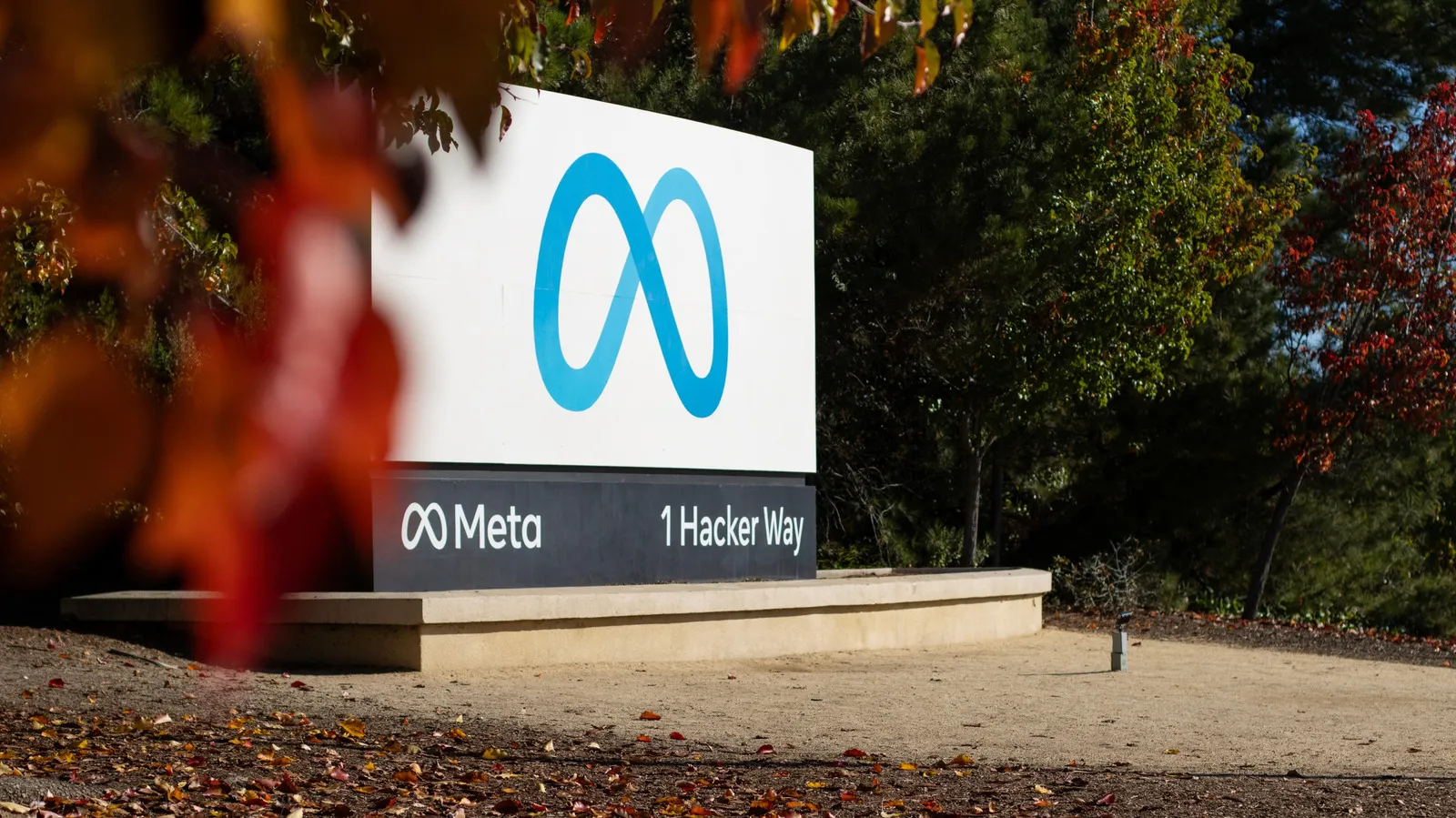
Meta has pulled out of a renewable energy initiative and is relying more on natural gas for data centers. The move is tied to Meta’s commitment to 10 natural gas plants since last year, reshaping how power, cost, and regulatory risk may be managed.
Meta has pulled out of a renewable energy initiative while relying more on natural gas for its data centers. The company’s renewable retreat lines up with a specific pivot: Meta has committed to 10 natural gas plants since last year.
That detail matters because data centers do not run on intentions. They run on contracted power, buildable generation, and an electricity supply that can keep up with growing compute demand. When a company walks away from a renewable energy initiative and doubles down on natural gas commitments, it is effectively choosing the reliability profile it wants today, even if the renewable strategy was already under way.
To understand why this is such a big deal, you have to know how power sourcing usually works for large operators. Data centers require steady electricity and often need assurances about delivery timing and grid stability. Renewable projects can be part of the mix, but they involve lead times for permitting, construction, interconnection, and sometimes storage or balancing. Natural gas plants, while also complex, tend to fit a different operational narrative: dispatchable generation that can respond to demand. In practice, that means Meta is optimizing for what it can secure and operationalize as its infrastructure expands.
This pivot also highlights the board-level logic behind energy strategies. Commitments to generation assets are not lightweight. If Meta has committed to 10 natural gas plants since last year, those commitments represent long-term exposure to fuel costs, regulatory changes, and evolving emissions expectations. Even if the gas plants were framed as a bridge to cleaner energy, the bridge can become the main route if renewables stumble on timelines or if market conditions change.
There is also a second-order effect that executives should not ignore: power strategy becomes cost strategy. Electricity is one of the biggest inputs for data center operators, and fuel-linked generation can transmit price volatility through to operating expenses. That does not just affect quarterly margins. It can influence capex planning, pricing decisions for services, and the internal prioritization of whether to push harder on renewable procurement, on efficiency, or on shifting compute workloads.
Meanwhile, Meta’s renewable initiative pullout signals something about risk management. Renewable energy programs can be politically and socially sensitive, especially for companies facing scrutiny on climate commitments and sustainability targets. By stepping back while increasing natural gas reliance, Meta is effectively rebalancing between operational certainty and headline commitments. The risk for decision-makers is that the market can read these moves as a retreat, even if the operational rationale is simply reliability and schedule control.
Finally, Meta’s actions are not happening in a vacuum. The broader industry is wrestling with the same basic constraint: demand for compute is rising, but electricity supply is the choke point. For other data-heavy businesses, Meta’s shift is a real-world reference point for what happens when renewables meet execution friction. If large operators start treating natural gas commitments as the default path for near-term scaling, boards across tech and infrastructure will likely revisit how they structure energy procurement, how they hedge regulatory exposure, and what they consider “good enough” progress toward renewable goals.
In short, Meta pulled out of a renewable energy initiative and leaned harder on natural gas for data centers. And with 10 natural gas plants committed since last year, the company has made that choice concrete. For executives, the strategic lesson is straightforward: energy sourcing is no longer a side project. It is a core operating decision that can lock in cost, schedule, and regulatory risk for years.
This story's Key Insights and Take-aways are locked.
Create a free account to unlock Executive Actions for one credit.
Register to UnlockAlways free for Executives Club members. Join the Club
More in Technology

doubleAI's Maxwell rewrites code while it runs, claims 38x speedups
The Tel Aviv startup's code execution model formally verifies optimizations, turning AI into an agent for the hardware itself.
Saudi military official paid to fly OpenAI bugging suspect's family out, prosecutors say
A court filing says a Saudi military official funded the family's exit and Riyadh offered bail, putting foreign-influence risk squarely on AI boards.

AI researcher's 26,000-word claim: Neural nets aren't tangled after all
Nick Cammarata's Goodfire post has the AI world split - if he's right, monitoring frontier models just got a lot easier.