

Meta launches Muse Image on Instagram and WhatsApp to catch up in AI race
The new image generator signals how Meta is reallocating product muscle to keep pace as AI features become table stakes.
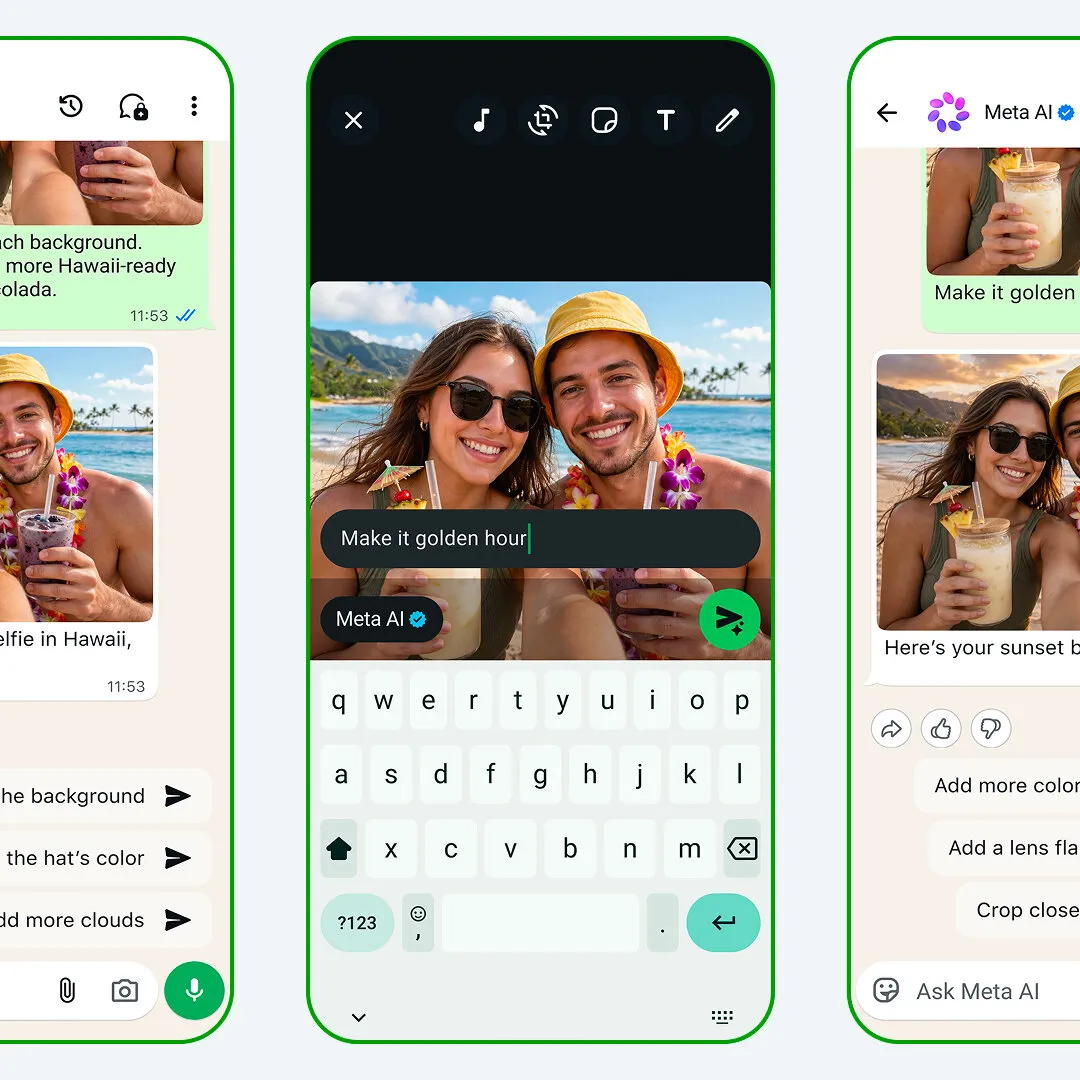
Meta is unveiling Muse Image, an A.I. image generator that can create realistic images for users on Instagram and WhatsApp. For decision-makers, it is another move in the fast-evolving AI race where product distribution and user experience can matter as much as model quality.
Meta is unveiling Muse Image, an A.I. image generator that can create realistic images for users on Instagram and WhatsApp. The company is positioning the feature as its latest attempt to catch up in the global artificial intelligence race, a race where the winners are not just building models, they are shipping them where people already spend time.
This matters because distribution is the superpower. Instagram and WhatsApp are not “launch pads” in the abstract. They are existing behavior engines. If users can generate realistic images directly inside the apps they use daily, adoption is likely to be faster than if the same capability lives in a separate website or a standalone tool. In other words, Meta is betting that the path to relevance runs through familiar surfaces, not through brand-new destinations.
Muse Image also highlights a core tension that is playing out across the AI industry right now: speed versus depth. Many companies can prototype image generation. Fewer can turn it into a polished user workflow tied to social sharing and messaging. By targeting both Instagram and WhatsApp, Meta is effectively compressing the time between “I can do this” and “I can show it to someone,” which is the whole game for consumer AI features. The more that image generation becomes a normal part of everyday communication, the harder it becomes for competitors to dislodge incumbents based solely on technology.
There is a second layer here for executives: competitive positioning and internal prioritization. The phrase “catch up in the global artificial intelligence race” is not just marketing. It implies a perceived gap between Meta and other players that have been moving earlier or more visibly. When a company frames a product as catch-up, it is also communicating urgency internally. That often means engineering, product, and risk teams are being pulled toward a common objective: make the capability real for users now, then iterate.
Regulation is the background hum executives cannot ignore, even when the source story is brief. Realistic image generation creates obvious concerns around authenticity, impersonation, and misuse, and regulators worldwide are increasingly focused on how platforms mitigate those risks. While this particular update does not specify guardrails, the fact that Meta is deploying Muse Image in mainstream social and messaging apps increases the compliance and policy burden. The operational implication: teams responsible for safety, enforcement, and trust and safety will likely need to scale alongside product usage.
There is also a business model implication, even without specific numbers. Features that generate shareable content can feed engagement loops, drive time spent, and create new surfaces for monetization. For boards and investors, the question becomes: does the feature simply add novelty, or does it become a durable part of the product stack? In an AI arms race, durability is what turns experimentation into revenue-relevant momentum.
Finally, Muse Image is a signal to peers in leadership roles at other platforms and app ecosystems. If Meta is moving this capability into Instagram and WhatsApp, it suggests that “AI in the app” is quickly becoming the baseline expectation. For CEOs, CFOs, and product leaders, the stake is clear: the competitive advantage may shift away from who can name the best model and toward who can embed AI into daily workflows with acceptable risk controls. Catch-up moves like this often come with a timeline pressure, and the second-order risk is that competitors who already integrated AI features will keep building network effects while Meta closes the gap.
In short, Muse Image is not just a new tool. It is Meta putting real weight behind consumer AI distribution, using the apps where users already live. In an industry where the race is global and the finish line is “normal use,” the strategic move is to make image generation feel native, fast, and shareable. That is the bet Meta is placing right now.
This story's Key Insights and Take-aways are locked.
Create a free account to unlock Executive Actions for one credit.
Register to UnlockAlways free for Executives Club members. Join the Club
More in Technology

OpenAI replaces Advanced Voice Mode with full-duplex GPT-Live, rolling out to all tiers today
Two voice models, GPT-Live-1 and GPT-Live-1 mini, let ChatGPT listen and speak at once, plus stream longer reasoning.
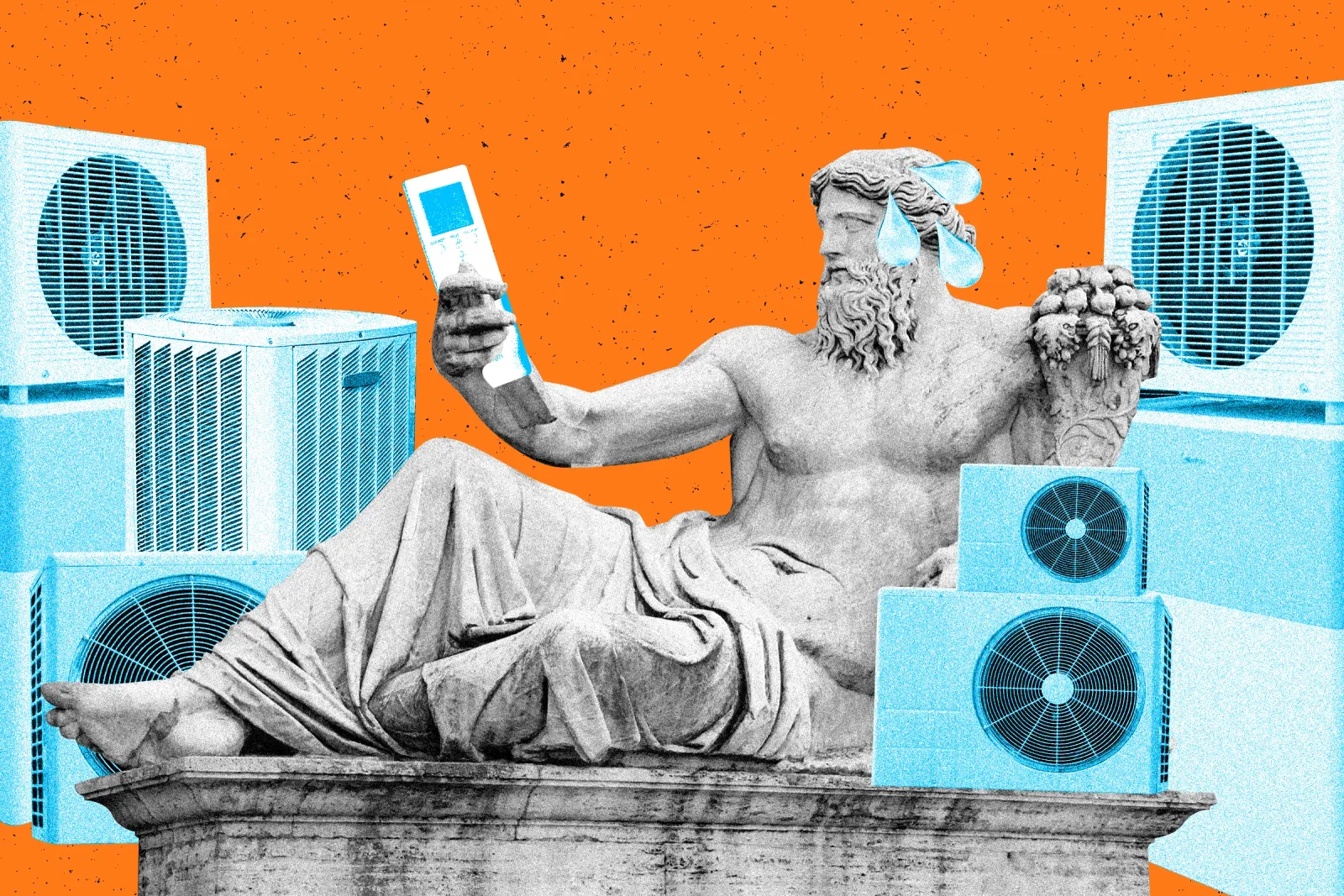
Europe’s extreme heat is forcing an AC tech reset, not a culture-war truce
As the continent cooks, environmentally friendlier air conditioning is moving from idea to necessity for regulators and investors.
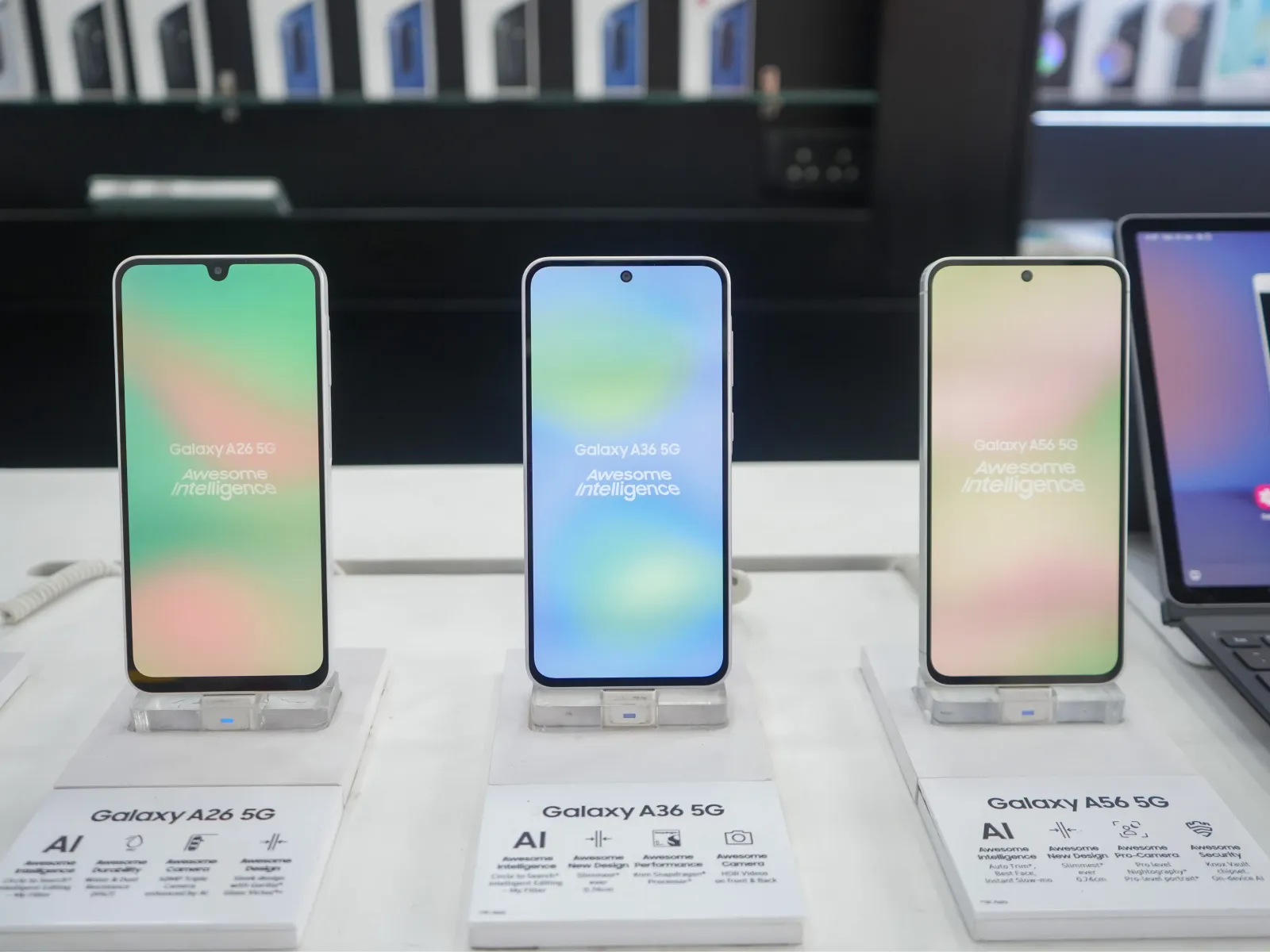
Omdia says sub-$400 phones shipments fall 22% as RAM costs spike 60% of BOM
Budget makers like OPPO and Xiaomi are stuck eating memory-price pain, or raising retail prices and risking demand.