
Meta’s Alexandr Wang upgrades Muse Spark to chase OpenAI and Anthropic in coding AI
Meta is moving deeper into AI coding with an upgrade led by its AI chief, sharpening the race against OpenAI and Anthropic.
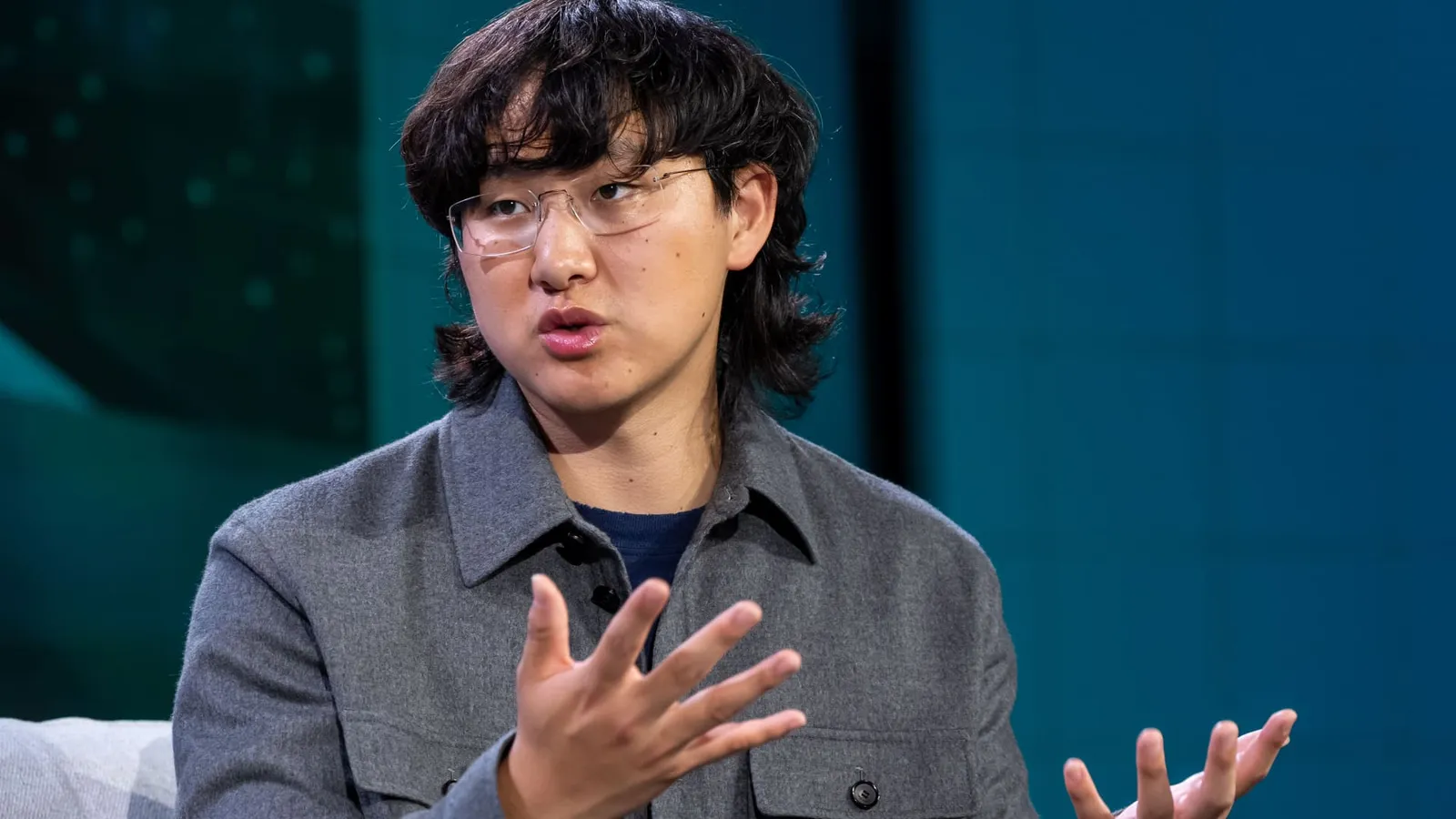
Meta is upgrading its Muse Spark AI coding model under the leadership of AI chief Alexandr Wang. For decision-makers, it signals Meta is treating AI coding as a competitive priority, not a side project.
Meta is upgrading its Muse Spark artificial intelligence model under the leadership of AI chief Alexandr Wang. This is Meta’s push to go harder after the AI coding market, a space being defined by the platforms and research organizations that can ship developer-ready tools faster than everyone else.
In plain terms: Muse Spark is Meta’s attempt to become a serious option for developers who want AI assistance with writing code. And the fact that Wang is steering the upgrade matters. When the company’s AI chief is directly involved, that usually means the effort is not just about publishing a new model card. It is about building momentum in a market where speed and usefulness can translate into real adoption.
So why “coding”? Because it is one of the most direct paths from AI research to measurable value. Software teams are already surrounded by the drudgery that AI can help with: generating boilerplate, suggesting implementations, explaining tricky logic, and accelerating iteration. When an AI system can reliably reduce the time between idea and running code, developers notice quickly, and teams reorganize their workflows around it.
Meta is joining or escalating in that attention economy by trying to chase Anthropic and OpenAI. Those organizations are widely seen as key players in frontier AI systems, including the tools and assistants that influence how developers build. The competitive implication for Meta is straightforward: if coding assistance becomes a standard part of developer tooling, whoever owns the experience owns mindshare. And in a field like AI, mindshare is not just marketing. It affects where engineers experiment, what teams standardize on, and which ecosystems become “default” through sheer habit.
The other side of the race is resource allocation inside Meta. Training and improving an AI coding model is expensive, operationally complex, and highly iterative. It requires infrastructure, data governance, evaluation pipelines, and constant tuning for reliability. An upgrade under Wang signals a decision to concentrate effort, likely to improve the system’s performance on coding tasks and to bring Muse Spark closer to what developers actually want when they are in the flow state, not when they are running toy benchmarks.
There is also a governance and regulatory backdrop, even if today’s update is mostly about product movement. AI systems that affect software development can intersect with compliance concerns: who decides what the model does, how it handles sensitive inputs, and how organizations assess risks like insecure code suggestions or improper outputs. Regulators globally have been paying attention to AI capabilities, impacts, and safety practices. For large platforms like Meta, that means every model upgrade potentially increases scrutiny, even as it helps customers and users.
And then there is the board-level question: what does this kind of upgrade say about Meta’s strategy? Meta has historically had to balance multiple priorities, from social platforms to advertising to infrastructure to new product bets. When the company spotlights an AI model upgrade led by its AI chief and ties it directly to the competitive set of Anthropic and OpenAI, it implies Meta sees AI coding as a meaningful front in the broader AI arms race. In other words, this is not only about building technology. It is about positioning.
For executives at other companies doing AI, the second-order effect is pressure. Once a major player like Meta visibly intensifies in coding AI, it raises expectations across the market: developers will compare tool quality, integration depth, and responsiveness. Competitors will feel the need to defend their experience, improve their models faster, or differentiate on workflow features and developer support. Even for teams not in direct AI model development, coding AI can change hiring patterns, engineering processes, and the economics of software delivery. If AI reduces the cost of producing code, product timelines compress. If timelines compress, competitive advantage shifts.
Bottom line: Meta upgrading Muse Spark under Alexandr Wang is a clear signal that AI coding is moving from hype to operational priority. The race is not abstract anymore. It is about shipping improvements that developers use, while competitors like Anthropic and OpenAI set the bar for what “good enough to rely on” looks like. If you are a product leader, investor, or board member in any tech company that builds software, this is the kind of move that can ripple through your roadmap, your infrastructure decisions, and your competitive posture.
This story's Key Insights and Take-aways are locked.
Create a free account to unlock Executive Actions for one credit.
Register to UnlockAlways free for Executives Club members. Join the Club
More in Technology

Google quietly links your phone number to every Android account on your SIM
Adding a SIM now ties your phone number to all Google accounts - and future accounts inherit it. Here's the security and privacy stakes.

Hijacker AI 'Skynet mode' runs 100,000 attack steps against exposed models
Symantec caught a criminal AI agent that borrows other models, steals data, and mines crypto; the only relief is no confirmed victims yet.

Nvidia's AI-financier shift faces its first big test as neoclouds stumble
A rout in neocloud stocks is forcing investors to weigh Nvidia's hidden exposure as both supplier and lender to the AI buildout.