

Meteomatics’ Meteobase replaces helium balloons with auto-recovered weather drones
A ground station launches pre-programmed drone flights to sample the boundary layer, then returns for recharge and data download.
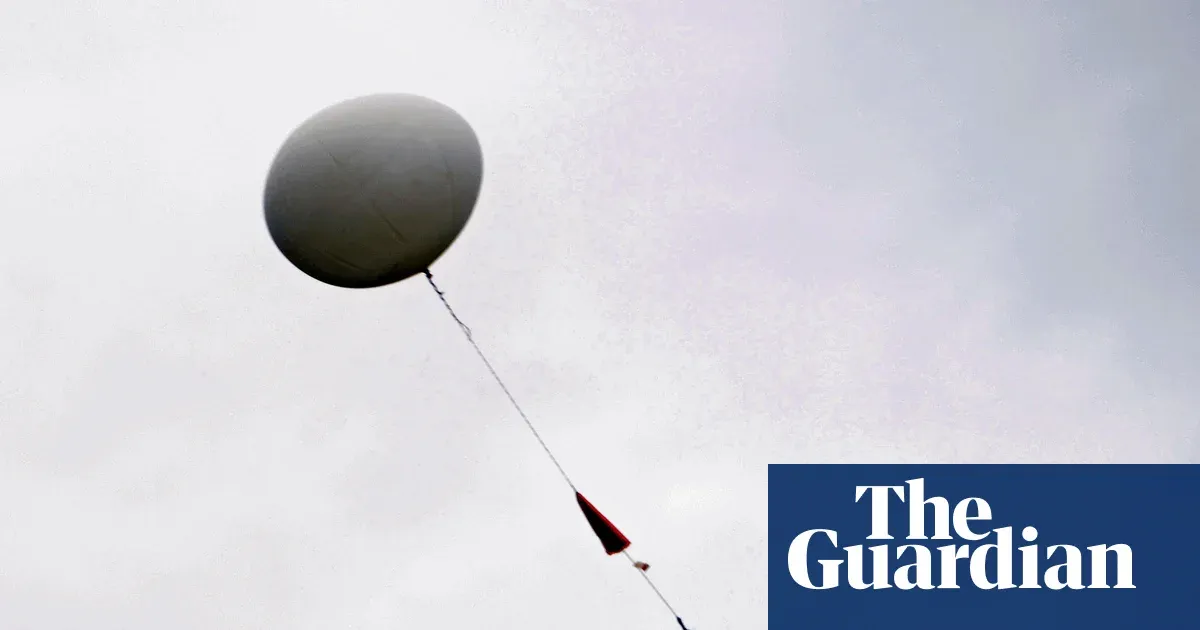
Meteomatics, through its Meteobase system, is using an automated drone and a ground base station to collect weather data at different altitudes and return for recharge and data download. For decision-makers, it points to a shift away from balloon-based research that is constrained by winds and helium supplies.
Weather research has a boring problem with high-stakes consequences: the boundary layer, the atmosphere from ground level to a few thousand metres, is where everyday weather gets born, and it is hard to measure in detail.
Traditional weather stations sit too low, and aircraft are expensive. Instrumented weather balloons, meanwhile, are the default workflow, with thousands released every day. But these balloons are at the mercy of the wind and they use irreplaceable helium. Meteomatics is trying to cut that bottleneck by replacing the balloon logic with drones, using a system called Meteobase.
Here is the mechanical difference that matters. Meteobase is a base station on the ground with a drone that can be launched and recovered automatically. Instead of drifting wherever the wind takes it, the drone carries out a pre-programmed flight that gathers data at different altitudes, then returns to the base to recharge. After the recovery, Meteobase downloads the collected data and sends it to researchers.
That design is basically the opposite of the helium balloon workflow. Balloons are single-use in practice, and their flight path is dictated by atmospheric conditions, including wind. Meteobase keeps control in the operator's hands through pre-programmed altitude profiling, and it keeps the hardware in a loop by recovering the drone for reuse. For researchers, that can translate into more consistent sampling across altitudes in the boundary layer. For anyone who funds, procures, or operationalizes measurement, it also changes the cost and supply profile by reducing reliance on balloon releases and the helium input that balloons require.
The other reason this matters right now is that weather measurement is not just academic. Data from the boundary layer feeds into how weather is understood and forecast, which affects industries and public planning that depend on timely, reliable observations. When the measurement method is constrained by wind variability, limited height resolution, or high costs, you get a coverage problem: the observations are either too low, too scarce, or too expensive to scale. In that context, a recurring automated sampling system is an alternative that may make high-frequency collection more feasible.
There is also a procurement and operations angle that boards and C-suite teams will care about. With balloon campaigns, you can end up paying for logistics, ongoing releases, and scarce materials, and you also inherit variability from the environment. With Meteobase, the system is positioned as repeatable infrastructure: a ground base station coordinates launch and recovery, and the drone cycle includes recharge and data download. Even without getting into performance claims beyond what is described, the second-order effect is clear: you shift from a mostly disposable model toward a reusable, automated measurement model.
Regulatory framing is part of the backdrop for any weather or atmospheric data effort, since drones operate in airspace that is typically governed by rules on flight permissions, safety procedures, and operational limits. The source does not discuss specific regulatory approvals for Meteobase, so it is important to stay disciplined here. Still, the direction of travel is notable: automation and recovery reduce uncontrolled drift. That can make operational planning cleaner than balloon releases, which are inherently passive and wind-driven. It is the kind of operational control that regulators and safety teams typically prefer to see, because it can support predictable flight paths and planned activities.
For peers evaluating similar measurement or automation investments, the strategic stake is simple. If drones can deliver the altitude profiling that weather balloons have historically provided, while reducing helium dependence and limiting wind-driven drift, then the research workflow changes. Meteobase is not just a gadget. It is a system that turns weather data collection into a controlled, cyclical process: launch, sample, return, recharge, download, and repeat. In a world where the boundary layer is both critical and tricky, automating the observation loop is an advantage that can compound over time.
This story's Key Insights and Take-aways are locked.
Create a free account to unlock Executive Actions for one credit.
Register to UnlockAlways free for Executives Club members. Join the Club
More in Science
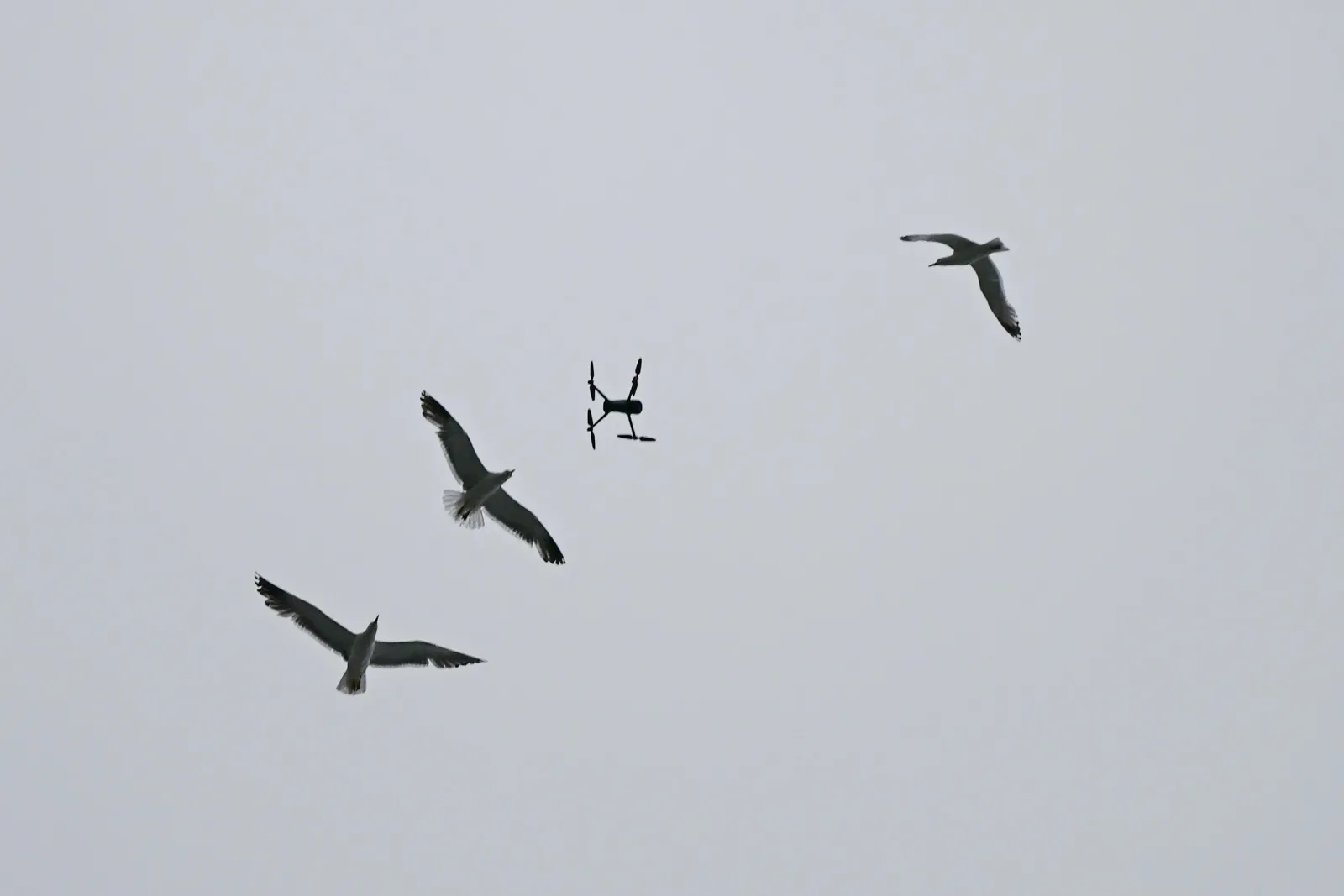
National Guard troops train drone-vs-bird recognition sensors for chemical and biological response
New sensor tech helps units spot unmanned aircraft systems fast, reducing the time between threat and action.

‘Pink zebra’ seaweed joins the Natural History Museum after 40 years of mystery
A long-sought ancient algae gets a museum slot, turning one scientist’s decades-long obsession into a preservation win.

Columnaris hits Brazilian fish farms as Flavobacterium appears for first time
Brazil becomes the new battleground for columnaris disease, expanding where a serious fish pathogen can show up.