

Metropolitan Mayfair waiter files employment-tribunal tip-share claim after cash tips were diverted
A former waiter says he had to share tips with managers and other staff, triggering a London employment tribunal filing.

A former waiter at the Metropolitan Mayfair, part of Metropolitan Casinos owned by Silver Point Capital, has filed a complaint with the London employment tribunal over cash tip sharing. The dispute tests how casinos structure pay and tip handling, with direct legal and operational consequences for leaders across hospitality.
A former waiter at the Metropolitan Mayfair has filed a complaint with the London employment tribunal, saying he did not receive a fair share of cash tips he was given directly. The core allegation is straightforward but high-stakes: he claims he was forced to share those cash tips with managers and other staff.
This matters because the Metropolitan Mayfair is not a scrappy single venue. It is part of the Metropolitan Casinos group owned by Silver Point Capital, an investment firm with a stated footprint of seven casinos in the UK and four in Egypt. When tip handling becomes a legal issue in a multi-site operator, it is not just one disgruntled employee. It is a potential signal that the system for distributing cash tips could be inconsistent, legally vulnerable, or both.
From an executive perspective, tips sit in an awkward zone. They are part customer intent, part company workflow. In many hospitality environments, tips can be paid directly to workers, pooled, or processed through internal mechanisms before being distributed. That is why these cases tend to travel quickly from HR squabbles to legal filings. Once an employment tribunal is involved, the question stops being “what was the arrangement?” and becomes “what was the arrangement in a way the law recognizes and a tribunal can verify.”
Here, the former worker is challenging what he received versus what he says he should have received. According to the report, he filed his complaint over his share of cash tips given directly to him, which he says he was forced to share with managers and other staff. That phrasing is important. It suggests the dispute is not about tips that patrons never intended for him. It is about tips that were given to him, then rerouted through a distribution rule that he believes deprived him of his fair share.
For the Metropolitan Casinos group, the incentive landscape is complicated. As an operator with multiple properties, management likely relies on standardized procedures: how servers receive cash tips, where those tips get stored, whether they are pooled, and who participates in the distribution. Standardization helps with consistency and controls, but it can also create “one policy, many edge cases” risk. If different locations interpret cash tip handling differently, or if managers interpret the policy in different ways, the company can end up defending a system rather than a single incident.
This is also where board-level oversight becomes more than paperwork. Silver Point Capital, as the US investment firm that owns Metropolitan Casinos, sits at the top of a structure that typically emphasizes governance, risk management, and operational consistency across assets. A legal claim like this forces decision-makers to look at internal controls: what documentation exists for tip allocation, what training managers receive, how disputes are handled, and whether the company can produce clear evidence of how cash tips were treated in the relevant period.
The employment tribunal venue in London underscores the UK regulatory and legal environment around worker rights. Employment tribunals are built to resolve disputes grounded in employment law, which means these cases can turn on details like how money was handled and what was communicated to staff. Even if the company believes managers were acting within policy, a tribunal can still scrutinize whether the policy was implemented fairly and transparently. In other words, legal risk is not only about the intention of managers. It is also about the mechanics of distribution.
For other executives in hospitality and leisure, the strategic stake is broader than one venue. Tips are a labor cost problem wearing a customer-friendly costume. If employees lose confidence in the fairness of tip distribution, you can get churn, recruiting headaches, and reputational drag. If the tribunal finds the company mishandled cash tips, you can also face knock-on costs: management time, HR process changes, potential back pay implications depending on how the dispute is resolved, and a compliance exercise that forces a re-audit of tip practices across all properties.
So the real question for leaders is not “will this go away?” It is “how prepared is the company to explain, document, and defend its cash tip handling across sites?” For Metropolitan Mayfair, the former waiter’s filing turns that question into a timeline problem. For peer operators, it is a reminder that labor disputes can start with a small accounting step, then escalate into a legal and operational reckoning that boards cannot delegate away.
This story's Key Insights and Take-aways are locked.
Create a free account to unlock Executive Actions for one credit.
Register to UnlockAlways free for Executives Club members. Join the Club
More in Business
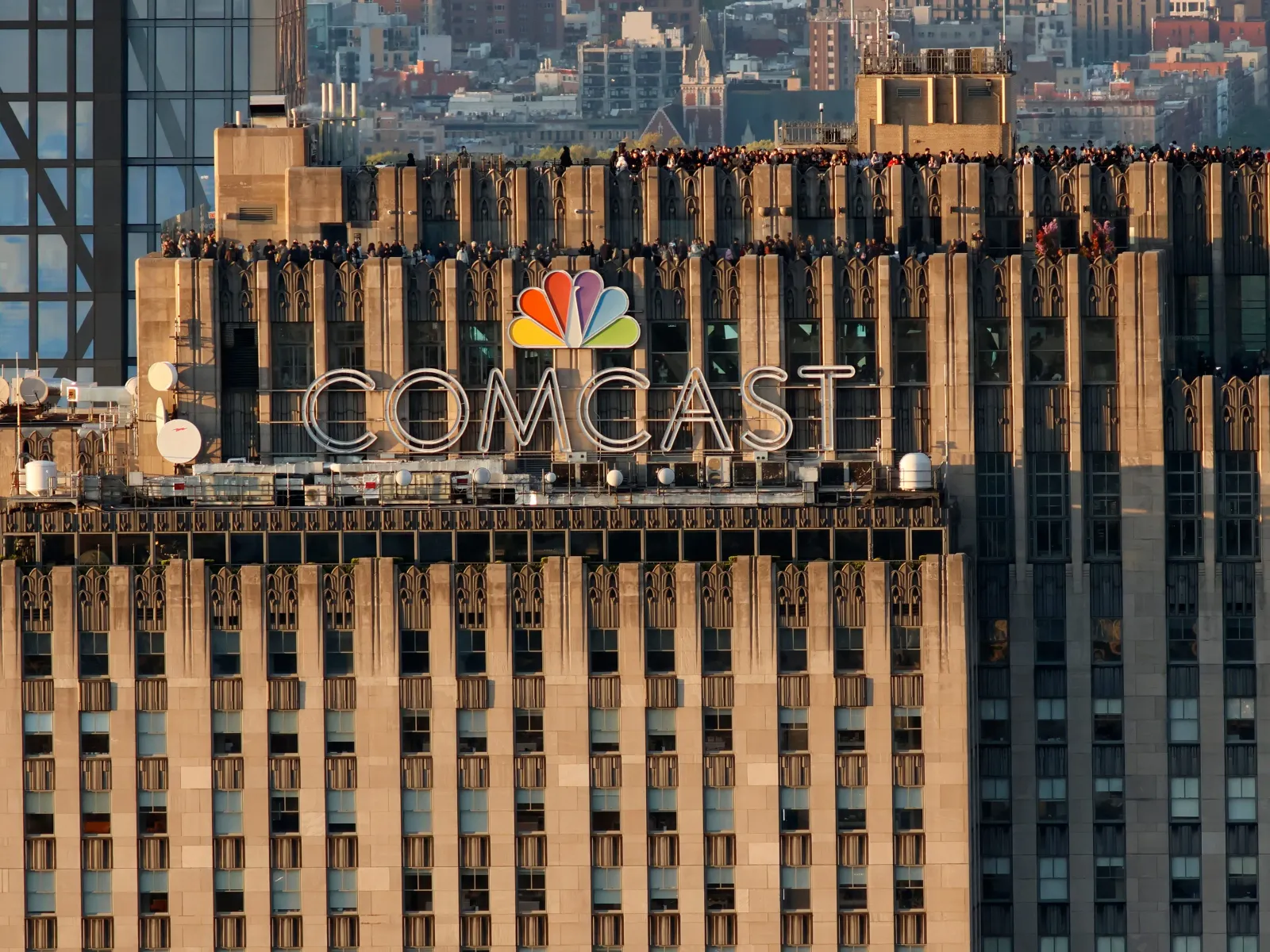
Comcast shares jump 25% as it plans to split NBCUniversal and Sky
The tax-free spin-off could reshape focus, funding, and competition across media and tech for years.

Bungie cuts most Destiny 2 staff as Sony says Marathon still matters
Herman Hulst confirms layoffs affecting most Destiny and some Marathon teams after Bungie admits Destiny fell short.

SK Hynix jumps 11% after seeking up to $29.4B in Nasdaq listing
The chip giant filed for a Nasdaq listing plan that could raise $29.4 billion, instantly reshaping investor expectations.