
Miatta Fahnbulleh promises more cash in pockets if Burnham becomes PM
The key adviser frames short-term living-cost relief as the political test that could reshape voter and policy priorities.

Miatta Fahnbulleh, a key adviser, says she expects people to have
Miatta Fahnbulleh, described as a key adviser, says people will have "more money in their pockets" if Burnham becomes PM. Her pitch is blunt and practical: deal with living costs in the short term, then build trust for whatever comes next.
That claim matters because it sets the bar for Burnham's potential premiership around one issue that cuts through almost every other debate: affordability. Fahnbulleh is not talking about abstract economic theory or long-term national strategy. She is talking about household budgets, the immediate pain point voters feel, and the kind of policy expectation that can become a political forcing function. In other words, this is her attempt to translate election-level rhetoric into a simple promise people can picture when they open their wallets.
To understand why this framing could be decisive, zoom out to how living-cost politics typically works. When households feel squeezed, the issue becomes both emotional and operational. Voters punish parties at the ballot box for outcomes that look like they are getting worse, even if the underlying drivers are complicated. For policymakers, that creates pressure to show movement quickly, because delays are interpreted as indifference. That is exactly why Fahnbulleh’s emphasis on "the short term" is not just messaging. It is a signal to anyone inside the campaign and anyone watching from outside: expectations for near-term relief will be part of the governance conversation.
There is also a governance-and-capital angle here. In many countries, when leaders commit publicly to faster help with cost of living, budgets and policy calendars start moving. Ministries and regulators are pulled toward options that can be implemented sooner, and that usually means trade-offs. Some interventions can be targeted but take time to verify and administer. Others can be delivered faster but have broader effects, which can change incentives for spending, pricing, and supply decisions.
That dynamic is why advisers’ statements can matter beyond politics. Corporate boards and finance teams often treat political timelines as risk signals. If a government is expected to prioritize short-term living costs, the financial implications can surface in several ways: changes in consumer demand patterns, adjustments in pricing strategies, and potential alterations in regulatory emphasis around wages, utilities, or other household-facing expenses. Even without any detailed policy in the source, the commitment to act quickly can still shape how businesses plan, because planning is partly about expectations. Who sets the tone for the next few months can influence markets, procurement choices, hiring, and even contract structures.
There is a second-order effect that boards and investors watch closely: the credibility of promised relief. A promise like "more money in their pockets" is easy to repeat and hard to measure precisely. That ambiguity is politically useful, but it also invites scrutiny. If Burnham becomes PM, supporters will look for visible signs that the promise is translating into real purchasing power. Critics will look for offsets, gaps, or delays. That means the early period of governance would likely focus on actions that can be communicated and tracked, even if the full economic story unfolds over longer horizons.
And then there is the strategic stakes for everyone with a seat at the table. Fahnbulleh’s statement is essentially an early line in the sand: the immediate priority is living costs. That affects how other leaders, parties, and stakeholders position themselves. For executives dealing with regulators and policy makers, it signals that affordability will not be a sidebar issue. It will be a central criterion in negotiations and policy design, because it is what the adviser is holding up as the standard of success.
So the real takeaway is not only what Fahnbulleh said. It is what she chose to emphasize: short-term living-cost relief paired with a tangible-sounding outcome, "more money in their pockets." If Burnham's path to power turns on that promise, the first months of any potential premiership would be judged through a narrow, high-pressure lens. For decision-makers in business and finance, the message is clear: when politics pins its credibility to household affordability, planning assumptions should incorporate a faster-moving policy environment, and boards should be ready for shifts in both consumer behavior and regulatory focus.
This story's Key Insights and Take-aways are locked.
Create a free account to unlock Executive Actions for one credit.
Register to UnlockAlways free for Executives Club members. Join the Club
More in Politics

Glacial collapse, not rain, killed 180 in Nepal's Himalayan flood
The Himalaya's extreme geography hid the true cause of Nepal's catastrophic flood, a glacial collapse that turned a geological battleground into a mass-casualty zone.

Iran’s Esmail Baghaei says Oman talks start shipping via Hormuz, not US talks yet
Temporary route plans with Oman aim to restart commerce while Tehran says Washington dialogue is not on the table.
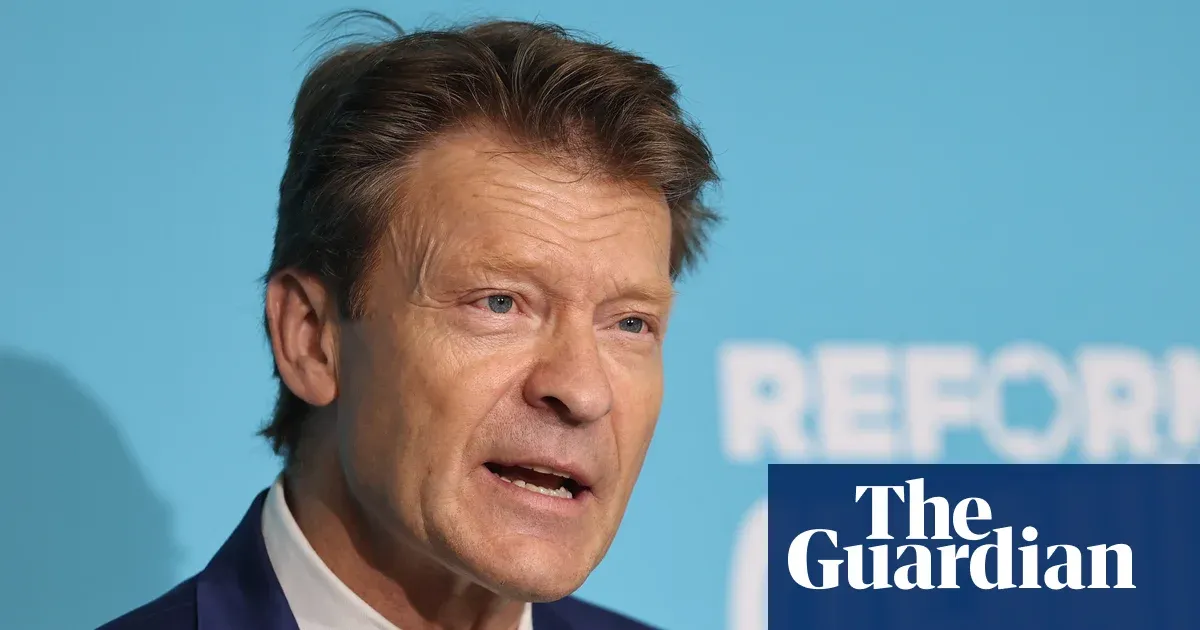
Standards watchdog opens probe into Reform UK deputy leader Richard Tice over interests
The parliamentary standards commissioner says it began an investigation on 28 July into a possible undeclared interest.