

UK police rule out political motive in Ann Widdecombe murder case
After Ann Widdecombe, 78, was found dead with “serious injuries,” police say there is no political motive.
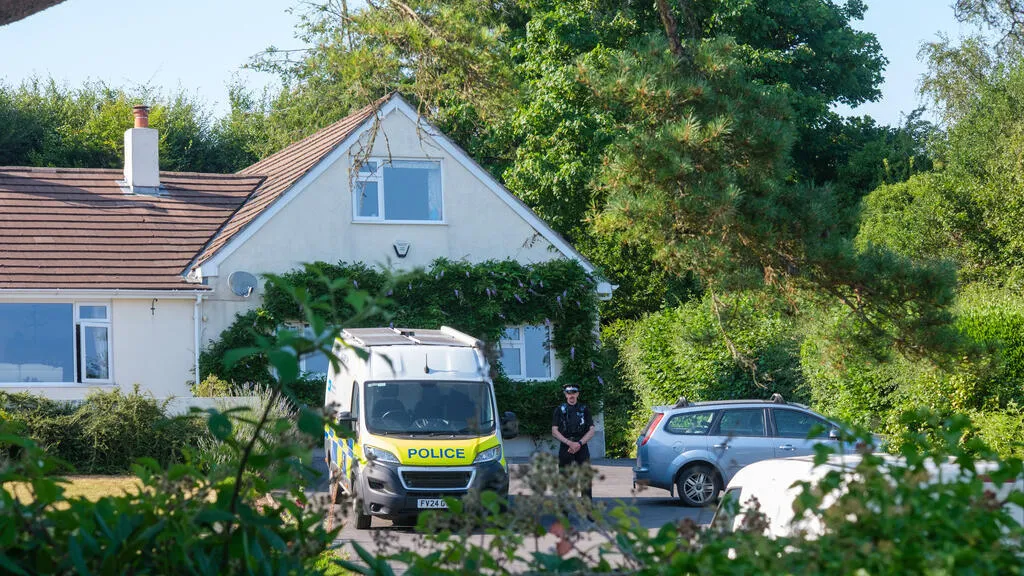
UK police said there is no evidence that the suspected murder of former British government minister Ann Widdecombe was politically motivated. The ruling matters because it shapes how investigators and the public frame risk and intent in a high-profile death.
UK police said Sunday there is no evidence that the suspected murder of former British government minister Ann Widdecombe was politically motivated. Widdecombe, 78, was found dead at her home in rural southwest England on Thursday, with police describing “serious injuries.”
That early determination is the headline because it shifts the story’s center of gravity. If police had found evidence of political motive, the case would likely have escalated into a broader national debate about instability, targeted harassment, or ideological violence. Instead, police are signaling that, at least as of now, they do not see indications that her death was driven by politics.
For executives and decision-makers watching from the business side, this kind of investigative framing is not just a headline. High-profile crimes involving public figures can move quickly from “case” to “climate.” When authorities rule out political motive, it often changes how the public interprets threat levels and how institutions prepare for fallout. That can affect everything from internal security planning to reputational risk management, especially for companies with government touchpoints or boards that regularly interact with ministers, parliamentarians, or public agencies.
It also matters for how resources get allocated behind the scenes. Police statements like this usually do not close a case, but they can narrow the search for motive and reduce the likelihood that investigators have to treat it as part of a wider pattern. In practice, that can influence how investigators prioritize leads, whether they focus more on personal connections, robbery, domestic circumstances, or other non-political drivers. While we do not have those details here, the key point is that police are publicly setting a boundary on what they currently do and do not know.
Then there is the media and communications component. When police say there is “no evidence” of political motive, it implicitly asks the public to hold off on assumptions. For organizations, that is a lesson in disciplined messaging. If stakeholders believe something broader is happening, they may overreact, amplify rumors, or demand immediate action. If the narrative stabilizes around the absence of political intent, executives can calibrate their own communications to avoid inflaming speculation.
The location detail also matters for context. Widdecombe was found at her home in rural southwest England. That kind of setting can carry different assumptions about accessibility, risk perception, and the types of threats that are considered plausible. But police are still emphasizing the injuries and the fact that the murder is suspected, not ruled out. Even without political motive, an incident like this remains serious, and it can still trigger concern about safety and vulnerability for individuals who are known to the public.
For boards and leaders who work closely with political ecosystems, the second-order implications are uncomfortable but real. Governments and the public sector are not insulated from the security realities that affect everyone. A death of a former government minister inevitably creates questions about personal safety, duty of care, and how institutions should think about protecting people with public profiles, especially after they leave office. Even when motive is not political, the case reinforces that high-visibility roles can bring persistent attention, and attention can attract harm.
Finally, there is the broader governance lesson: early uncertainty requires restraint. Police gave a specific determination about motive, but the case details remain limited in the report provided. Executives should treat that as a reminder that “what we know” and “what we assume” are different categories. The strategic stakes for peers in similar roles are not just about this one person, Ann Widdecombe. It is about how quickly an incident can become a risk story, and how carefully leaders need to manage information as investigators continue to work.
Police have said there is no evidence of political motive. The next phase, for investigators and for the rest of us, will be whether additional facts emerge that clarify how and why the murder happened.
This story's Key Insights and Take-aways are locked.
Create a free account to unlock Executive Actions for one credit.
Register to UnlockAlways free for Executives Club members. Join the Club
More in Politics

Glacial collapse, not rain, killed 180 in Nepal's Himalayan flood
The Himalaya's extreme geography hid the true cause of Nepal's catastrophic flood, a glacial collapse that turned a geological battleground into a mass-casualty zone.

Iran’s Esmail Baghaei says Oman talks start shipping via Hormuz, not US talks yet
Temporary route plans with Oman aim to restart commerce while Tehran says Washington dialogue is not on the table.

Standards watchdog opens probe into Reform UK deputy leader Richard Tice over interests
The parliamentary standards commissioner says it began an investigation on 28 July into a possible undeclared interest.