
Michael Burry shorts Micron, then Nvidia and others slump, sparking a possible “Burry effect”
Burry says there is no “Burry effect.” Analysts argue his almost real-time shorts may still be moving markets.

Michael Burry, the investor made famous by “The Big Short,” has been posting frequent short trades on Substack, telling Business Insider he does not believe in a “Burry effect.” This week, he disclosed fresh shorts on Nvidia, Applied Materials, Caterpillar, Tesla, SOXX, and then Micron, while those stocks fell, prompting analysts to debate whether his visibility is amplifying selloffs.
Michael Burry says he does not believe in a “Burry effect.” But this week, his almost real-time trading disclosures appeared to line up with sharp market moves. In a Substack post on Thursday, Burry said he shorted Micron the previous day. That followed a Tuesday post revealing fresh bets against Nvidia, Applied Materials, Caterpillar, Tesla, and the iShares Semiconductor ETF (SOXX), an index-tracking fund that includes Nvidia, Applied Materials, Micron, and other microchip names.
If you track the tape, the timing looks awkward for the skeptics. Over Wednesday and Thursday trading in South Korea, Samsung shares tumbled 14% and SK Hynix fell 17%, after news of their “hefty spending plans” sent chip-equipment stocks higher on Tuesday. The SOXX slumped 12% over those two days. Applied Materials plunged 17%, Micron dropped 15%, and Nvidia retreated nearly 3%. Caterpillar fell 11% in two days. Tesla dropped 6% even after Elon Musk’s automaker reported a surge in second-quarter vehicle deliveries on Thursday.
So what is a “Buffett effect” versus a “Burry effect,” and why are people even debating the difference? The article anchors the concept in what happens when a legendary investor’s words move markets. Warren Buffett is so influential that his comments can shift stock prices, a rare phenomenon often called the “Buffett effect.” The “Burry effect,” by contrast, is the idea that Burry’s visible bearish moves could encourage other investors to de-risk, take profits, or rethink valuations. Burry is explicitly pushing back on that framing. “I do not believe there is a Burry effect,” he told Business Insider by email.
But the mechanics are easy to understand even if you ignore the nickname. Burry has pivoted from running a hedge fund to writing almost daily about his personal investments on Substack. He also ranks second in Substack’s “Bestsellers in Finance,” and has nearly 2 million followers on X, described in the piece as more than Buffett’s, though Buffett has not posted in the past decade. Visibility matters because capital is social. When a widely followed investor declares a position, it can change how fast uncertainty gets translated into trading decisions, especially in crowded sectors.
This is where context matters. Markets are complex machines, and the article stresses that myriad factors can drive price action. Analysts quoted by Business Insider do not argue that Burry is the only cause. Susannah Streeter, Wealth Club’s chief investment strategist, described a “short-lived 'Burry Effect'” case. Investors, she said, know Burry’s track record of identifying excesses, even if his timing has often been early. When he targets parts of the market enjoying “lofty valuations,” it can trigger sell moves to lock in gains, and it appears to have happened “to some extent” this week.
Streeter’s sharper point is that the effect likely amplifies an existing story rather than creates a new one. She called it “almost the mirror image of the Buffett effect.” Buffett inspires confidence and attracts buyers, while Burry’s bearish disclosures can encourage investors to take profits and reduce risk. But Burry’s comments tend to “amplify existing nerves rather than create them.” In other words: he might not start the fire, but he can make it spread faster.
Another analyst, Neil Wilson of Saxo UK, framed the same risk in different language: narratives. He said Burry shorting Caterpillar was unexpected and “certainly would have had an impact,” potentially amplifying investor concerns that the stock was overvalued. Wilson described Burry’s warnings as part of the “patchwork of narratives” building against the durability of some growth stock earnings stories. One example referenced in the piece is Palantir. Burry revealed in November he was betting against Palantir, prompting a sharp rebuke from CEO Alex Karp. Later, Burry said in May he had “opened an outright short” against the stock, then cut his position in half last week, per a June 25 post.
This matters for executives and boards because the “Burry effect” is really a governance and market-structure question: what happens when a high-conviction investor turns into a high-visibility publisher. The article notes Burry took “a lot of heat” for targeting Palantir, and it also points out that Palantir shares have plunged almost 40% from their November high. Meanwhile, none of Burry’s stated short targets immediately responded to requests for comment from Business Insider.
Russ Mould, investment director at AJ Bell, adds the second-order implications that go beyond single-stock volatility. He said Burry’s short bets signal he expects investments in AI to slow as returns disappoint, leading to surplus inventory and spare capacity. That would hurt suppliers across the stack, from servers and silicon chips to cooling systems and even earthmovers. Mould also warned that Burry’s history suggests he is not frightened of being early and toughing it out, but that “hot money and passive fund flows” may test him. Translation: even if the thesis is right long term, crowded positioning can force uncomfortable timing in the short term.
It’s anyone’s guess whether Burry is right in this specific cycle. But for other market participants, the key takeaway is less about whether you call it a “Burry effect” and more about what it reveals: when a widely followed investor shares bearish positions in near real time, it can move sentiment quickly, especially in sectors where valuation debates are already tense. If Burry’s bets pay off, the “Burry effect” described in the article could get louder and more durable. If they do not, the market still learned something uncomfortable. Visibility plus conviction can compress timelines, amplify narratives, and turn “interesting ideas” into price moves before fundamentals catch up.
This story's Key Insights and Take-aways are locked.
Create a free account to unlock Executive Actions for one credit.
Register to UnlockAlways free for Executives Club members. Join the Club
More in Business
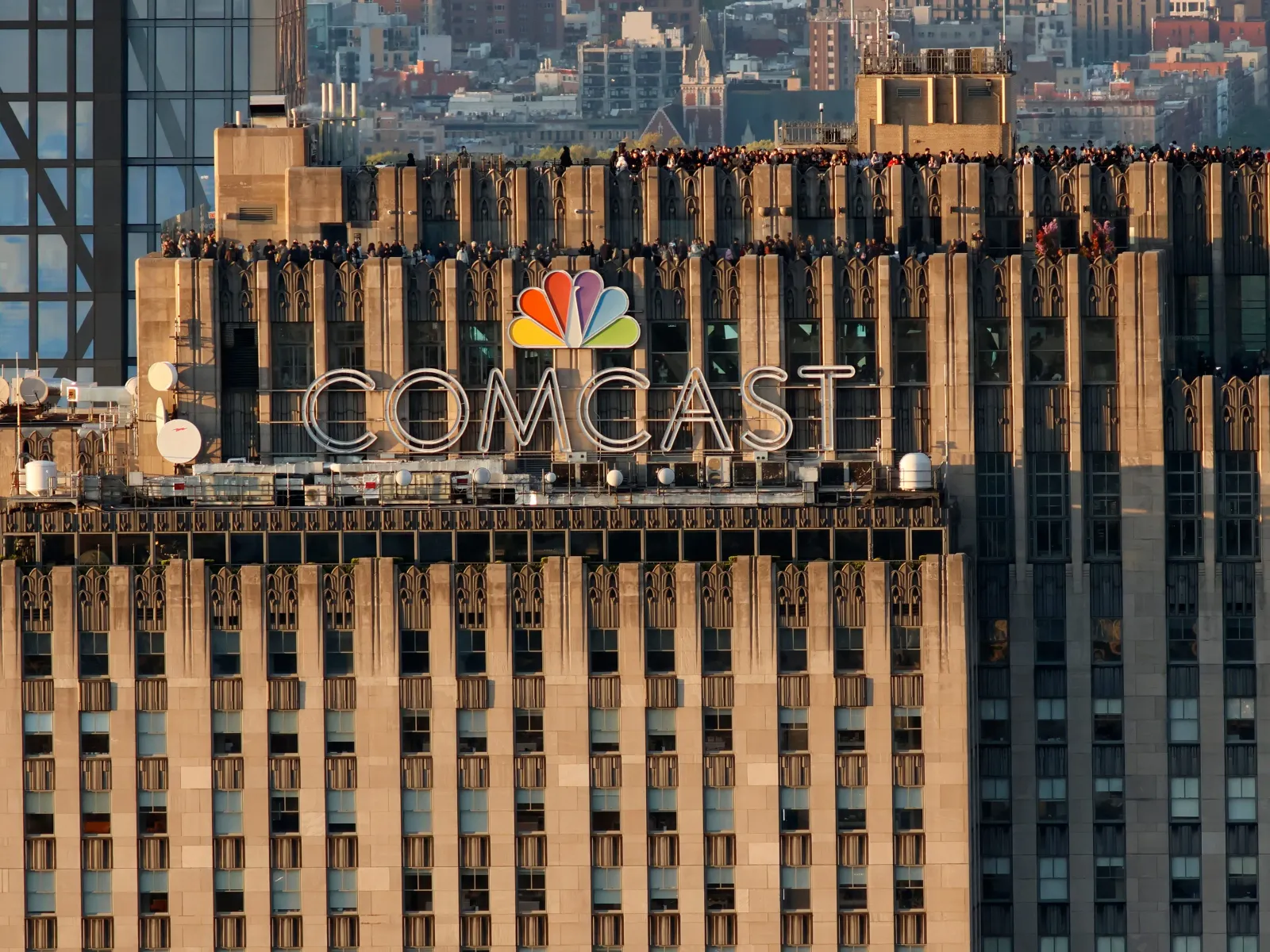
Comcast shares jump 25% as it plans to split NBCUniversal and Sky
The tax-free spin-off could reshape focus, funding, and competition across media and tech for years.

Bungie cuts most Destiny 2 staff as Sony says Marathon still matters
Herman Hulst confirms layoffs affecting most Destiny and some Marathon teams after Bungie admits Destiny fell short.

SK Hynix jumps 11% after seeking up to $29.4B in Nasdaq listing
The chip giant filed for a Nasdaq listing plan that could raise $29.4 billion, instantly reshaping investor expectations.