
Michael Steranka says Pokémon Go always aimed to bring players together
A decade later, Scopelys VP frames the games biggest longevity lesson: community, not just mechanics, keeps people walking.
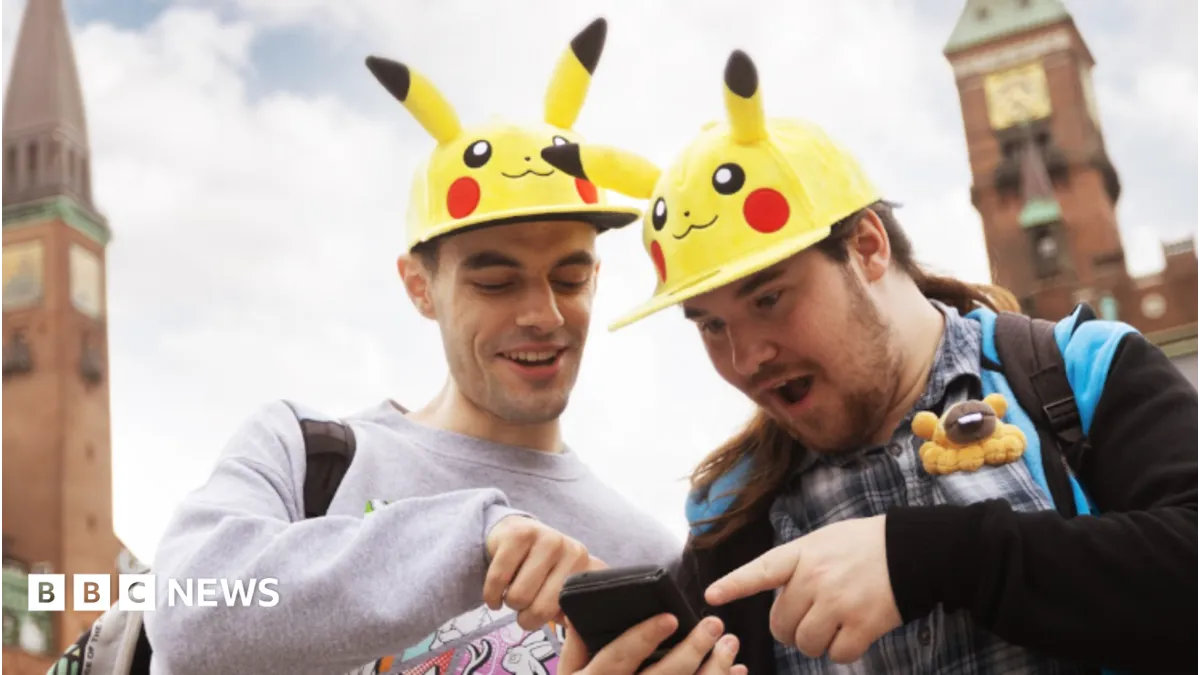
Michael Steranka, vice president at Scopely, says Pokémon Go has always been about bringing people together. For decision-makers, the implication is clear: long term engagement strategies are social strategies, with product and policy built around them.
Michael Steranka, vice president at the mobile game publisher Scopely, says Pokémon Go has always been about bringing people together. That statement matters because it reframes the story most people tell about Pokémon Go after 10 years. Yes, it is a location-based game that got millions moving in the real world. But Steranka is pointing to the engine underneath the gimmick: shared moments between players, repeated often enough to become habit.
If you are an executive or board member looking at longevity in consumer tech, that is the part worth underwriting. Mechanics fade. New releases compete. But community can compound. Pokémon Go launched into a world where people were already used to social networks, but it forced social interaction into physical space, with strangers becoming teammates for a hunt. Steranka says Scopely has kept the focus on bringing people together since the beginning, which also explains why the conversation around Pokémon Go keeps returning to groups, not just individual wins.
To understand why that approach has stuck, it helps to zoom out to how mobile games make money and keep users. The simplest model is attention, retention, and conversion: you get players to show up, you keep them coming back, and you turn a slice of them into paying users through offers, in game purchases, or subscriptions. Many games can push short term engagement with updates and rewards. The hard part is sustained engagement across years, not weeks. Steranka's framing implies Scopely believed the sustainable lever was not just chasing the perfect algorithmic loop, but designing repeated opportunities for people to overlap in time and place, even if each player logs in alone.
There is also a second layer executives should care about: location based experiences are inherently tied to privacy and safety expectations, even when the goal is fun. Pokémon Go is “real world” by design. That means the product sits at the intersection of platform policies, user permissions, and broader public debates about how technology uses location data. While this BBC Technology piece focuses on Steranka and the mission, his “bringing people together” emphasis still has regulatory and compliance implications. If the game is built to make communities form, then the company’s responsibilities expand from “does it work” to “is it safe and trusted enough for people to keep showing up.”
Steranka is speaking as vice president at Scopely, the owner of the mobile game. The ownership detail matters in board level thinking because it signals continuity and accountability at the operator level, not just the original development story. In gaming, ownership changes and publishing models can shift incentives. A publisher might optimize for fast returns, and a studio might optimize for creative iteration. Steranka’s comment suggests Scopely believes that the original community oriented design principles are not a historical footnote. They remain central to how the product is understood and managed even after a decade.
For decision-makers in adjacent categories, the strategic lesson is less about Pokémon Go specifically and more about how to underwrite “years not months.” When a company says a product is about bringing people together, it typically means the roadmap prioritizes features that create shared identity and shared reasons to return. It also means the KPIs that matter are not just downloads. They are active participation and social stickiness, the kind that creates organic narratives and reduces churn.
This is the part that should make peers pay attention. Consumer platforms often get trapped in a cycle of novelty. You chase the next event, the next mechanic, the next seasonal spike. Steranka’s perspective points toward an alternative: treat community as a core product surface. Not a marketing layer, but part of how the game runs. When you do that, you also shape your operational choices. You monitor community dynamics, you manage moderation and safety, and you align partnerships and communications with the goal of keeping people connected.
After 10 years, the biggest question is no longer whether Pokémon Go worked at launch. The question is why it still matters. Steranka’s answer, at least as captured here, is direct: it has always been about bringing people together. For executives and board members, that is a reminder that the most durable growth strategy in consumer tech is not the flashiest feature. It is the repeated experience that makes people feel part of something, and gives them a real reason to come back.
This story's Key Insights and Take-aways are locked.
Create a free account to unlock Executive Actions for one credit.
Register to UnlockAlways free for Executives Club members. Join the Club
More in Technology
TSMC’s June revenue jumps 68% as chip demand reshapes the 2026 earnings runway
A 68% June surge, before second-quarter earnings, signals momentum and risk for everyone funding AI and smartphone supply chains.

Meta pulled “Muse Image” in 72 hours after SAG-AFTRA backlash
The first Superintelligence Labs image generator launched July 8, then vanished after controversy over Instagram image referencing.
Lenovo denies banned YMTC SSDs in ThinkBook sold outside the US
A ThinkBook 14 G9 IPL review found a YMTC SSD; Lenovo says it was not sold into the US.