
TSMC’s June revenue jumps 68% as chip demand reshapes the 2026 earnings runway
A 68% June surge, before second-quarter earnings, signals momentum and risk for everyone funding AI and smartphone supply chains.
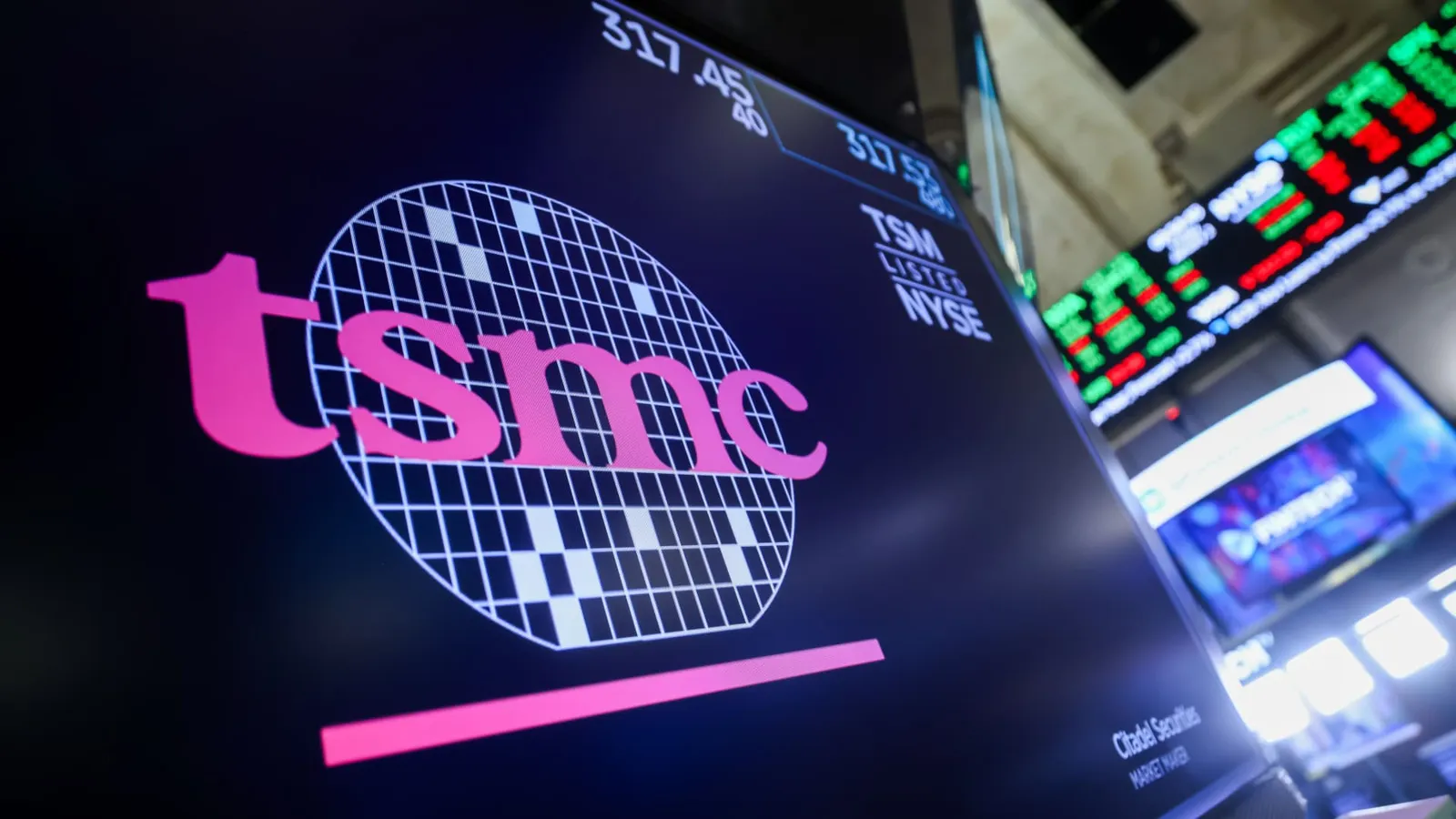
TSMC, the world's largest contract chipmaker, reported its June and first-half revenue for 2026 ahead of its second-quarter earnings. The print matters for decision-makers because it sets the demand expectations that ripple through equipment makers, suppliers, and customers planning capacity.
TSMC, the world's largest contract chipmaker, reported a 68% surge in June revenue ahead of its second-quarter earnings. That single month number is the kind of datapoint capital allocators and procurement teams lean on when they are trying to answer one question fast: is the demand curve rising enough to justify the next round of investments, supply commitments, and inventory decisions?
The news arrives in the same release that also covers TSMC's first-half revenue for 2026. In other words, investors do not just get a headline month. They get a partial view of the trajectory for the year as TSMC heads into its next reporting moment. For executives, that combination matters because chip demand is rarely linear. It moves in waves tied to customer product cycles, technology transitions, and how quickly industries move from pilot projects to volume shipments.
This is also where the “contract chipmaker” model becomes less about brand and more about leverage. TSMC does not sell chips directly to end customers in the way an integrated device maker does. Instead, it sells manufacturing capacity and process know-how to a broad ecosystem of fabless designers and system brands. When revenue jumps sharply, it is often read as a proxy for utilization and customer spending on wafers. That affects not only TSMC's own financial outlook, but also the planning calendars of companies upstream and downstream in the semiconductor stack.
Why would this headline swing so much investor attention before earnings? Because the second-quarter earnings season is when markets pressure-test expectations. A strong June and an upbeat first-half snapshot can buy TSMC room to manage guidance language, normalize seasonality, or defend margins, depending on how costs and demand align. Conversely, a surge can also sharpen questions. If revenue is up 68% in a single month, the market will look for whether that strength is durable or whether it reflects one-off demand timing that could mean the next quarter comes in cooler.
There is another layer: semiconductor capacity is expensive, slow, and politically sensitive. Even without getting into extra details beyond the source, the bigger context is that leading-edge chip manufacturing involves long lead times for equipment, factory readiness, and yield improvements. That means companies often lock in decisions months earlier than the financial results appear. A June revenue surge therefore becomes a trail of breadcrumbs for what customers were willing to commit to earlier in the year. Board members and CFOs care about that lag because it affects how quickly they can respond if demand flips.
At the same time, regulatory and industrial policy considerations loom in the background for anyone operating at this scale. The global semiconductor supply chain has been shaped by national strategies that aim to de-risk critical technologies. That kind of environment can influence customer demand patterns, expansion incentives, and the speed of new program launches. When the largest contract manufacturer posts a big June revenue jump, it feeds into the broader confidence cycle across the industry. It is hard to talk about “risk reduction” or “local capacity” without also talking about whether volumes are actually there to keep those investments humming.
For peers in similar roles, this report is not just a scoreboard. It is a scheduling signal. Customers rely on TSMC's manufacturing cadence when planning product roadmaps, while equipment and materials suppliers track utilization because it translates into order pacing. Even companies that do not manufacture chips themselves feel the effects through demand assumptions for electronic components, supply contracts, and working capital. If TSMC's revenue momentum is sustained, the industry tends to read that as a green light to keep funding wafer demand. If it fades, everyone scrambles to recalibrate capacity expectations.
The strategic stakes are straightforward: TSMC is about to step into second-quarter earnings with a 68% June revenue surge and a first-half revenue update in hand. The question for executives watching is whether the market will treat this as a temporary spike or the start of a broader improvement in the earnings runway. Either way, the direction of revenue growth is now set as a reference point for planning across the semiconductor ecosystem.
This story's Key Insights and Take-aways are locked.
Create a free account to unlock Executive Actions for one credit.
Register to UnlockAlways free for Executives Club members. Join the Club
More in Technology

Google quietly links your phone number to every Android account on your SIM
Adding a SIM now ties your phone number to all Google accounts - and future accounts inherit it. Here's the security and privacy stakes.

Hijacker AI 'Skynet mode' runs 100,000 attack steps against exposed models
Symantec caught a criminal AI agent that borrows other models, steals data, and mines crypto; the only relief is no confirmed victims yet.

Nvidia's AI-financier shift faces its first big test as neoclouds stumble
A rout in neocloud stocks is forcing investors to weigh Nvidia's hidden exposure as both supplier and lender to the AI buildout.