
Michelle Visage says Drag Race’s winning move is making RuPaul laugh
The longtime judge explains the “secret” to winning, and what it reveals about reality TV incentives.
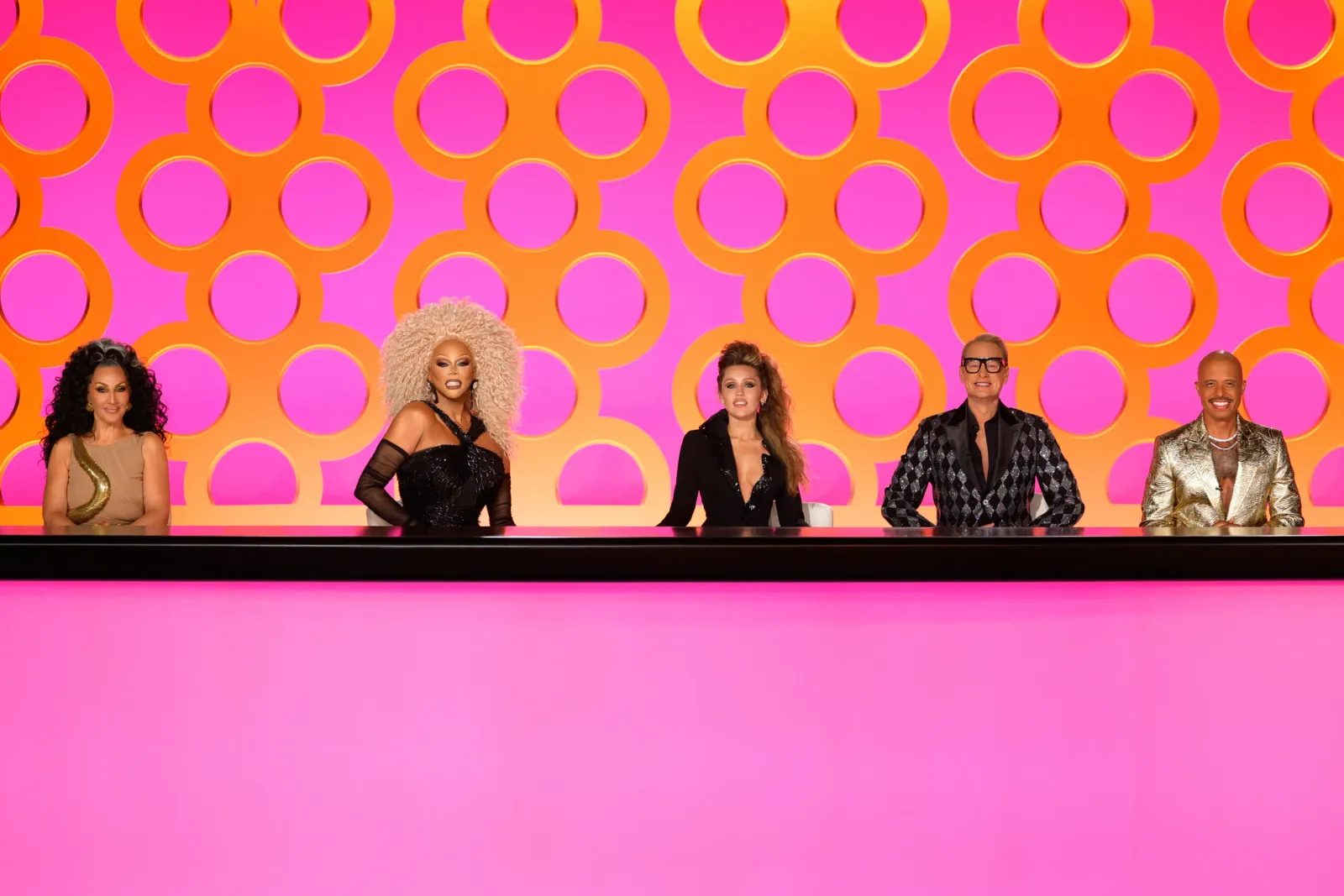
Michelle Visage, a judge on “RuPaul’s Drag Race,” says the winning key is making RuPaul laugh. For decision-makers watching celebrity competition formats, it signals what actually drives performance and audience reward.
Michelle Visage, a judge on “RuPaul’s Drag Race,” says the secret to winning the reality competition series is simple: “Make Ru laugh.” She has said it many times before, and in this conversation she repeats it again, because she believes the show’s scoring logic really is that human. Over her more than 16 years on the main show, Visage has watched contestants, formats, and pressure dynamics play out under the same enduring constraint: landing the right reaction from RuPaul.
This matters because “RuPaul’s Drag Race” is not just a talent showcase. It is a sustained evaluation of personality, performance craft, and timing, with the host and brand figure sitting at the center. When Visage frames victory as “make Ru laugh,” she is effectively telling you what gets converted into approval in a room where laughs, charisma, and stage presence are not side quests. For a contestant, it is an actionable strategy. For executives producing, investing in, or licensing reality formats, it is a reminder that the “judge’s perspective” is often less about abstract criteria and more about eliciting specific emotional responses.
Now zoom out to why this kind of quote travels beyond fandom. Reality competitions are designed like feedback machines. You have repeated challenges, episodic arcs, and a public scoring system. The audience learns what the judges reward, and contestants learn what the judges will later reference. In that ecosystem, the host figure becomes the gravity well. Visage has been part of that gravitational field for over 16 years. So her emphasis on RuPaul’s laughter is not just a cute catchphrase. It is a behavioral signal, telling contestants and viewers that the show’s “winning” behavior is anchored in making the host respond.
Visage also says something that hits with actual industry relevance: RuPaul isn’t just a colleague, he is her best friend. She has said this many times before and repeats it for emphasis here. That detail matters because on-screen judging and off-screen relationships can shape what “truth” feels like in the room. In a competition format, judges must appear consistent. But consistency often comes from shared culture and shared shorthand. If the judge relationship includes a genuine friendship, the host reaction becomes even more central, because judges may trust the host’s instincts and interpret contestant performance through that lens.
There is also a production incentive hiding in plain sight. Reality TV does not run on measured rubrics alone. It runs on moments that can be repeated, clipped, and talked about. A laugh is inherently communicable. It is a visual cue that travels instantly across episodes, social posts, and commentary. When Visage points contestants toward laughter, she is describing what the show can reliably generate: reactions audiences can recognize and retell. That helps explain why the show has been able to sustain engagement over a long period, with Visage staying in the judge role for over 16 years. Stability on the judging panel helps viewers and contestants learn the signals faster.
For executives, investors, and rights holders, the second-order implication is about how incentives get encoded into the format. If the “key to winning” is framed as making RuPaul laugh, the production team will likely steer challenges, editing emphasis, and contestant airtime toward the kinds of beats that produce that reaction. That is not a regulatory issue in the classic sense, but it is a governance issue in the sense of brand alignment. Reality competitions are watched by minors and adults, exist inside platforms with content policies, and must manage reputational risk. The more predictable the emotional payoff, the easier it is to maintain tone and avoid unpredictable outcomes.
It is also a reminder that “judge commentary” is part of the product. When Visage gives a simple rule, she is effectively telling you what the audience will later understand as the show’s value system. That rule is not about technical perfection alone. It is about emotional intelligence in performance form: reading the room, hitting timing, and delivering humor that lands with the host figure who anchors the whole franchise.
If you are on the board of a media company, advising a producer, or building a similar competition format, the strategic stakes are real. You want to know what creates repeatable outcomes for viewers, what shapes contestant behavior, and what the show’s most influential personality actually rewards. Visage’s “Make Ru laugh” line is a compact thesis: in this world, the winner is not only the most skilled, but the one who can consistently generate the right reaction from the center of gravity. And in a franchise that Visage has judged for over 16 years, that center does not move.
This story's Key Insights and Take-aways are locked.
Create a free account to unlock Executive Actions for one credit.
Register to UnlockAlways free for Executives Club members. Join the Club
More in Entertainment

Russell Brand's accuser 'bewildered and confused' as he denies 7 sex charges
The criminal case against the comedian is a live test of how media companies manage talent risk when serious allegations go public.

'It's a Magic Trick': Ballet Experts Say Rosalía's SNL Pose Is Impossible
Three ballet experts tell Rolling Stone Rosalía's gravity-defying SNL stillness shouldn't be possible - and why the debate is now part of the show.

Activision CMO: GTA 6 Will Boost Call of Duty, Not Bury It
Activision's top marketer says Rockstar's blockbuster will drive players back to consoles and into Modern Warfare 4, even as the company admits its recent strategy failed.