
Mick Jagger regrets John Lennon's advice: he never met Elvis
The Rolling Stones frontman says Lennon warned him off Presley, and he now wishes he had listened differently.

Mick Jagger, The Rolling Stones frontman, told Conan O'Brien that John Lennon convinced him never to meet Elvis Presley. For decision-makers, the story is a reminder that “great advice” can lock you out of the one moment you cannot recreate.
Mick Jagger did meet a lot of icons in his career, but there is one legendary encounter he still wishes he could rewrite. On SiriusXM's Conan O'Brien Needs a Friend, the Rolling Stones frontman revealed that John Lennon warned him against meeting Elvis Presley, and it is one piece of advice he regrets taking. In other words, one of rock music's most mythologized “what ifs” is not a lost weekend or a scheduling mix-up. It is a decision made because Lennon said “don’t.”
Jagger said Lennon convinced him never to meet Elvis, which means Jagger’s biggest “miss” was not about proximity or timing. It was about influence. Lennon, who famously met Presley, apparently used that lived experience to steer Jagger away. For a reader who thinks this is just celebrity trivia, the sharp part is the mechanism: a peer’s advice, delivered with authority, redirected Jagger's behavior for decades. The result is a story that never happened, but still lives loud in Jagger’s memory.
So why does this matter beyond music gossip? Because executives live inside a constant loop of guidance, heuristics, and “someone told me” risk management. In boardrooms, founders, and investor calls, people rarely decide to do nothing. They decide based on inputs: someone’s track record, someone’s credibility, someone’s “I’ve seen it before.” Jagger’s anecdote is the human version of that dynamic. Lennon’s warning functioned like a risk filter. It removed a potential upside (meeting Elvis) because it was framed through a cautionary lens.
In business terms, the caution is not automatically irrational. Advisory carries incentives. The person giving advice may have reasons that are hard to see from the outside: personal preference, operational constraints, a sense of what will or will not work in a specific social ecosystem, or just a belief that the outcome is not worth the exposure. Lennon had met Presley, so his advice came from a direct reference point. That kind of credibility often feels safer than ambiguity. But the catch is that the world is not obliging. Even if advice is “right” in some abstract sense, it can still cost you the irreplaceable moment.
Jagger’s regret also highlights something executives wrestle with: time compression and irreversible opportunity cost. Meeting a superstar has a calendar. It has a window where both people are available, present, and in the same cultural orbit. If you pass, you do not get to run it back later. You get a story, not an outcome. In markets, we call this compounding loss: one missed chance becomes a permanent gap because the conditions that produced it cannot be recreated. In careers, it is similar. You can do everything “right” afterward, and still lose the specific thing you never pursued.
There is another layer too, and it connects directly to why this anecdote travels well: it shows how narratives stick even when the underlying event never happens. Jagger did not say this regret happened once. He has spent decades collecting stories few people could imagine, and this one remains notable precisely because it is “the story that never happened.” That is how legends get built. The world prefers counterfactuals because they reveal how decision-making actually feels: a tug-of-war between curiosity and caution, between social capital and personal warning.
For founders and operators, the second-order implication is uncomfortable but useful. Advice can be accurate and still be misapplied. A warning can be context-specific. The same people who make smart calls can inadvertently steer others into avoidable dead ends if the advice is treated like universal truth. And once you lock into a course based on that advice, the cost becomes social as well as personal. You start to defend the choice, not revisit it. That is how “regret” turns into “identity.”
Jagger’s story ends up being a practical lesson in disguise, even if it arrived wrapped in rock history. The strategic stakes for executives are not that you will never meet Elvis. The stakes are that you might let someone else’s risk posture become your future, especially when you are dealing with high-status opportunities where the upside is partly emotional and symbolic. Sometimes the most valuable decision is not the one that minimizes risk, it is the one that preserves optionality. Lennon’s warning removed optionality for Jagger. Jagger’s regret is the reminder that the most expensive losses can be the ones you never even attempt.
This story's Key Insights and Take-aways are locked.
Create a free account to unlock Executive Actions for one credit.
Register to UnlockAlways free for Executives Club members. Join the Club
More in Entertainment
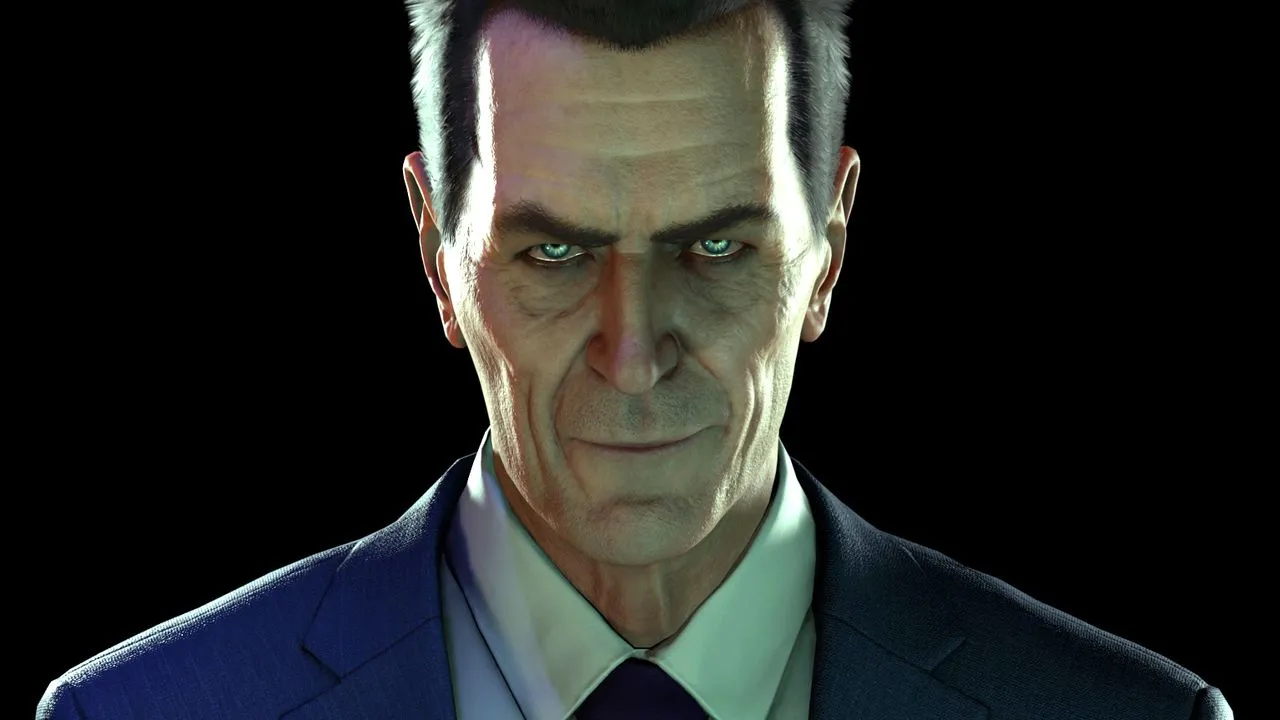
12TB Steam 'teraleak' goes beyond Valve: GTA 3, Mafia 2 prototypes exposed
A 12-terabyte dump of Steam data reveals prototypes and builds of third-party classics like GTA 3 and Mafia 2, plus unreleased Valve content, rewriting game history.

LinkedIn's romance problem: 1 in 4 workers say dating on it is fair game
A new survey shows a quarter of U.S. employees treat the professional network as fair game for romance, even as LinkedIn bans it and removes hundreds of thousands of offending posts.

Enhypen's first No. 1 album breaks K-pop's Billboard 200 streak
The K-pop group's 98,000-unit debut tops the chart while Dolly Parton's catalog reentry shows how death reshapes streaming.