

Mick Jagger says live shows are for joy, not politics: “Don’t lecture them”
The Rolling Stones frontman argues festivals and tours need different crowd instincts, with one goal: two hours away from the world.
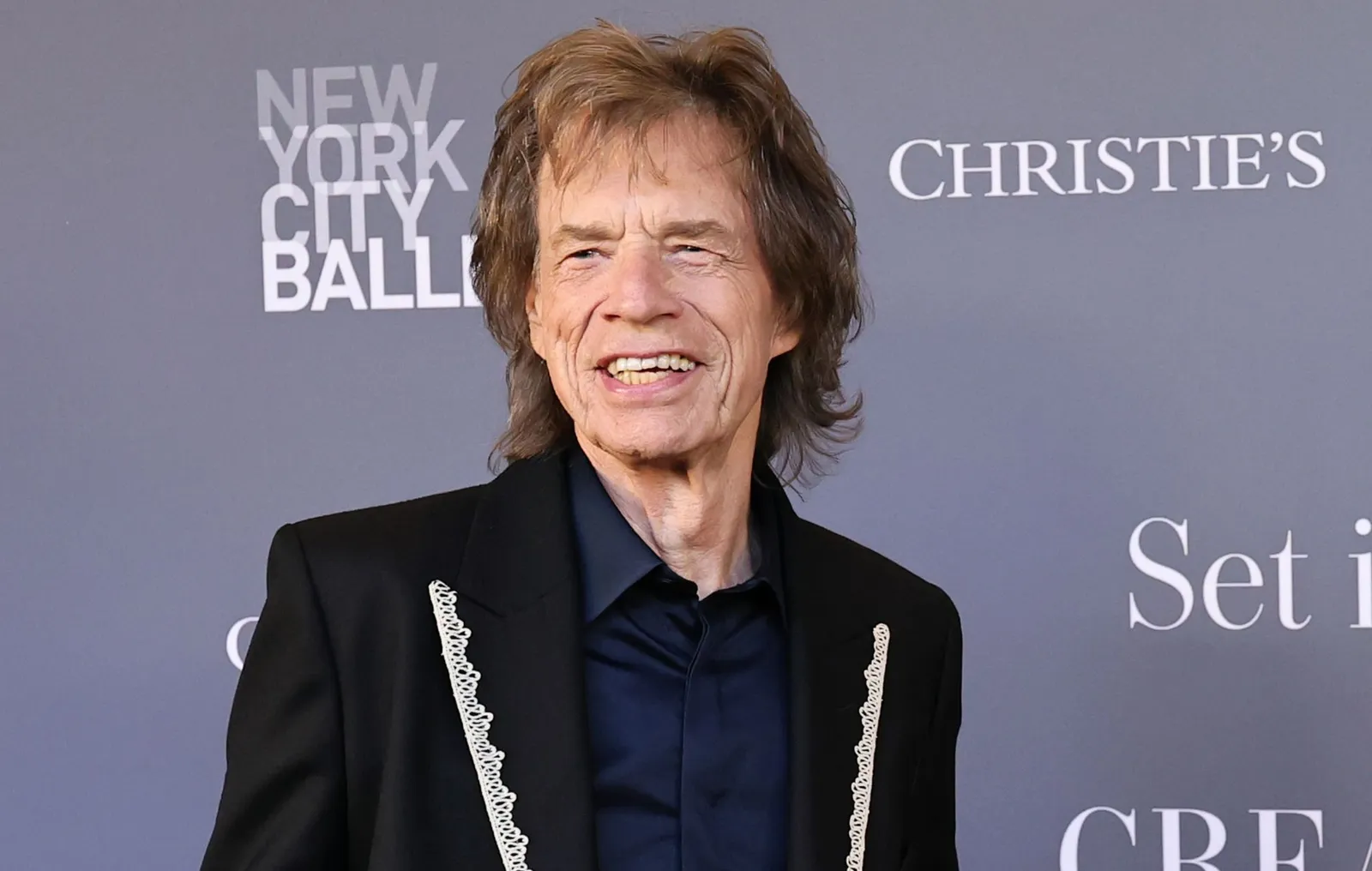
Mick Jagger, speaking on The New York Times podcast The Interview, said his job in live music is to help audiences “go more apeshit” rather than get lectured. His comments come alongside The Rolling Stones' approach to weaving politics into the band’s latest album, Foreign Tongues.
Mick Jagger’s take on live music is almost aggressively simple: when people show up to a gig, his job is to make them have the best time possible, not to deliver a political sermon. On The New York Times podcast The Interview, the Rolling Stones frontman framed it as an instinctive entertainment contract. “The bottom line is that my job in the live music world is to [ensure] people that come have the best time they possibly can,” he said, and for two hours “forget all their problems and the problems of the world.”
That philosophy is why Jagger also pushed back on the idea of mixing politics into the live moment. “You don’t want to lecture them,” he explained, adding: “Your job is to make them go more apeshit … You don’t want to lecture them.” In other words, he’s not denying the world is political. He’s arguing that the live show is not the place to impose it. Everything else, in his analogy, should be shut out like it is at a sports event, where the audience is focused on who will win and everything else is “out of your mind.”
Jagger’s comments are more than a band frontman’s personal preference. They’re a blueprint for how big legacy acts think about audience segmentation and attention. He said the show’s strategy depends on the setting and how the crowd responds. “First of all, it depends on where you are and what kind of event it is,” he said. He then drew a clear distinction between festival slots and headline tour dates, explaining that not everyone in a festival crowd is a die-hard fan. “They’re not necessarily coming to see [you] - they’re not your biggest fans, necessarily,” he shared.
That matters because “who’s in the room” changes what “success” looks like for a live show. Jagger described a range of audience engagement levels at events, saying there are “different levels of these kinds of people” and performers “have to treat them in a slightly different way.” In exec terms, this is the same logic streaming platforms and ticketing companies use, just with guitars instead of algorithms. The “product” is the experience, but the inputs differ: festival audience awareness is often lower, attention is more fragmented, and the tolerance for long, didactic moments is different.
There’s also a tension worth noticing: Jagger says he wants politics left out of the gig, yet the Stones have been doing political and social commentary in their music. Addressing how those themes show up in the songwriting process on Foreign Tongues, Jagger said he has a method that lets him slip ideas into tracks without turning them into formal lectures. “I’ve gotten into this habit of doing songs that are about personal relationships and then I throw a verse about politics in there,” he said. The aim, as he described it, is to make the message land inside a format that people already want to listen to: “That’s a ‘trick’… especially when ‘nobody wants to hear a whole song about politics or social comment of any kind.’”
This is a carefully engineered trade-off between persuasion and reception. Jagger’s framing suggests the band believes audiences will opt into politics when it’s packaged as story or emotion, but they resist being ordered into it. That aligns with his live stance: don’t churn the crowd into frustration because they are not being “demonstrative.” “Your job is to make them go more apeshit,” he said. It’s not just encouragement. It’s a warning against audience mismatch, where the performer’s intent and the crowd’s expectations collide.
The Foreign Tongues era also included the kind of lyric scrutiny that always arrives when rock stars write about current figures. Around the time of the album’s release, Jagger dispelled rumors that lyrics about the “mad mogul” on the song Mr Charm were a jab against Elon Musk, who is overtly named in the track. Jagger said people “hear one word” and “don’t really listen to the line,” claiming that listeners are “just listening to Musk. That’s all you’re hearing.” This is another angle on the same problem: interpretation risk. If fans reduce a lyric to headline-level meaning, they may miss what the songwriter is actually trying to do in the song’s structure.
Foreign Tongues arrived on July 10 and features collaborations with Paul McCartney, The Cure’s Robert Smith, Steve Winwood, and Red Hot Chili Peppers drummer Chad Smith, plus further posthumous appearances from Charlie Watts. The band also launched an official podcast series, Speaking In Tongues, narrated by Norah Jones, with new interviews with Jagger, Keith Richards, Ronnie Wood, and Charlie Watts. Meanwhile, Jagger recently told NME he’s a fan of Sam Fender, hailing his album People Watching as “excellent,” and he also described working with Paul McCartney as “very easy.”
For executives and board-level leaders watching entertainment as a business, Jagger’s comments land as a reminder that attention is not infinite, and audience trust is fragile. Leave politics out of the live room, he says, because the audience came to switch off. But introduce politics through songwriting structure, he implies, because that’s where people are willing to process ideas without feeling lectured. If you lead anything that sells experiences, that’s your operational question too: where should meaning live, and where should pure escape take priority? The Rolling Stones are making a case that the best-performing cultural product does both, but in different formats and at different moments.
This story's Key Insights and Take-aways are locked.
Create a free account to unlock Executive Actions for one credit.
Register to UnlockAlways free for Executives Club members. Join the Club
More in Entertainment

12TB Steam 'teraleak' goes beyond Valve: GTA 3, Mafia 2 prototypes exposed
A 12-terabyte dump of Steam data reveals prototypes and builds of third-party classics like GTA 3 and Mafia 2, plus unreleased Valve content, rewriting game history.

LinkedIn's romance problem: 1 in 4 workers say dating on it is fair game
A new survey shows a quarter of U.S. employees treat the professional network as fair game for romance, even as LinkedIn bans it and removes hundreds of thousands of offending posts.

Enhypen's first No. 1 album breaks K-pop's Billboard 200 streak
The K-pop group's 98,000-unit debut tops the chart while Dolly Parton's catalog reentry shows how death reshapes streaming.