

Micron looks cheap again, even as investors fear a memory peak
Analysts argue Micron still screens as undervalued across earnings scenarios, despite worries that a memory cycle top is coming.
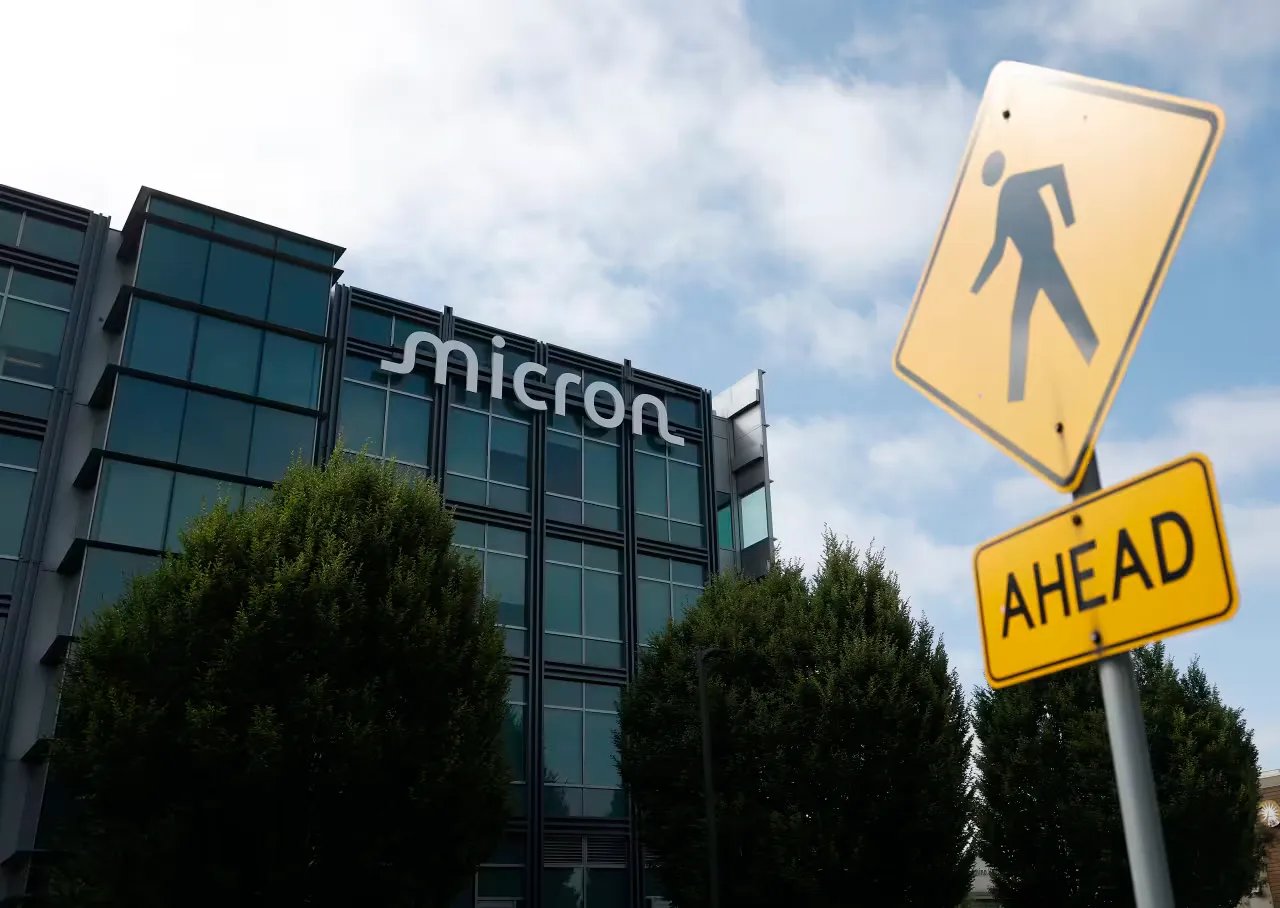
Micron is drawing unusually intense attention because investors are nervous about a potential memory peak. Analysts, however, say the stock continues to look cheap when compared with various earnings scenarios.
Micron has turned into one of the market’s most watched companies, and it is easy to see why. Memory is not just another sector exposure. When chip demand tightens or loosens, it shows up quickly in pricing, utilization, and margins, and investors treat that as an earnings timing signal for the whole tech economy.
Right now, the central fear on the Street is a memory peak. That is the idea that the industry’s cycle may have already hit its high-water mark for pricing or profitability, and that the next leg could be downward. But the other side of this debate matters just as much, and it is the part analysts are emphasizing. They say Micron still looks cheap relative to various earnings scenarios, meaning that even if the company ends up somewhere short of a best-case outcome, the stock’s valuation may not fully reflect that path.
To understand why “cheap versus scenarios” is the key phrase, you have to remember how memory stocks get priced. Investors typically don’t model one forecast. They run multiple versions of the future. What if average selling prices flatten? What if volumes hold up but margins compress? What if the cycle is delayed? Those questions create a range of plausible earnings outcomes. When analysts argue Micron remains cheap across that range, they are basically telling investors that the market is pricing in too much bad news or too little upside, depending on where you start.
This is also why the memory peak conversation can get sticky. Cycles in semiconductors are rarely smooth. Supply adjustments can be slow. Customers can change order patterns abruptly. Demand can surprise to the upside or the downside. Even when fundamentals are improving, investors may hesitate if they believe the peak is already behind us. In other words, fear can outrun data.
Another layer is that memory is strategic for industrial planners, not just traders. DRAM and NAND are inputs into servers, phones, PCs, and enterprise storage. So when memory prices move, companies across the chain feel it. For investors, Micron becomes a proxy for the rhythm of the wider hardware economy. For executives at tech companies, the same goes for budgeting and forecasting. If the market believes a peak is imminent, procurement and capex plans may shift, even before the underlying supplier financials show it.
Regulatory and policy context, while not directly cited in the source, is part of the backdrop for how the industry thinks about cycles. In recent years, governments have increased scrutiny and support around semiconductor supply chains, capacity, and “resilience.” That matters because it can influence how quickly supply can be ramped or throttled, which in turn affects the shape of the cycle. When analysts say Micron looks cheap relative to scenarios, they are implicitly betting that the earnings outcome will be shaped not only by demand and supply, but also by the practical constraints and incentives that govern capital deployment in memory.
There is also a capital-market angle. If a stock is perceived as “cheap,” it can attract incremental institutional interest, which can tighten spreads and stabilize sentiment. That does not magically make fundamentals better, but it can change the near-term trading dynamics. Meanwhile, investors who are anchored on the peak thesis will look for confirmation in key performance indicators. They will watch pricing trends, gross margin direction, and whether the company can defend profitability when the industry cycle turns.
So what does this mean for decision-makers who care about more than just one ticker? Micron’s debate is basically a live case study in how markets price cyclical uncertainty. When investors treat memory as peaking, valuations can compress faster than earnings. When analysts say the stock still looks cheap across scenarios, it signals a disagreement on how much uncertainty is already priced in.
If you are a CFO or board member at a company adjacent to the memory stack, the strategic stake is clear. A “memory peak” narrative can change customer behavior, competitor signaling, and your internal planning assumptions. Micron’s current setup suggests that the market may be swinging between panic about timing and rational valuation comparisons grounded in earnings ranges. Whether you are allocating capital, setting procurement budgets, or building longer-term operating plans, you want to know which side has the better math, and right now, analysts are arguing that Micron may be the one not fully priced for the uncertainty it is carrying.
This story's Key Insights and Take-aways are locked.
Create a free account to unlock Executive Actions for one credit.
Register to UnlockAlways free for Executives Club members. Join the Club
More in Business

Uber buys Delivery Hero for nearly $15B, vaulting to top food delivery outside China
The deal doubles Uber's dual-services footprint and pushes a ride-and-eats bundling play into 50 more markets.

Epic and Google drop settlement bid, forcing rival Android app stores by July 22
Google told the court it is ready to carry third-party app stores starting Wednesday, July 22.
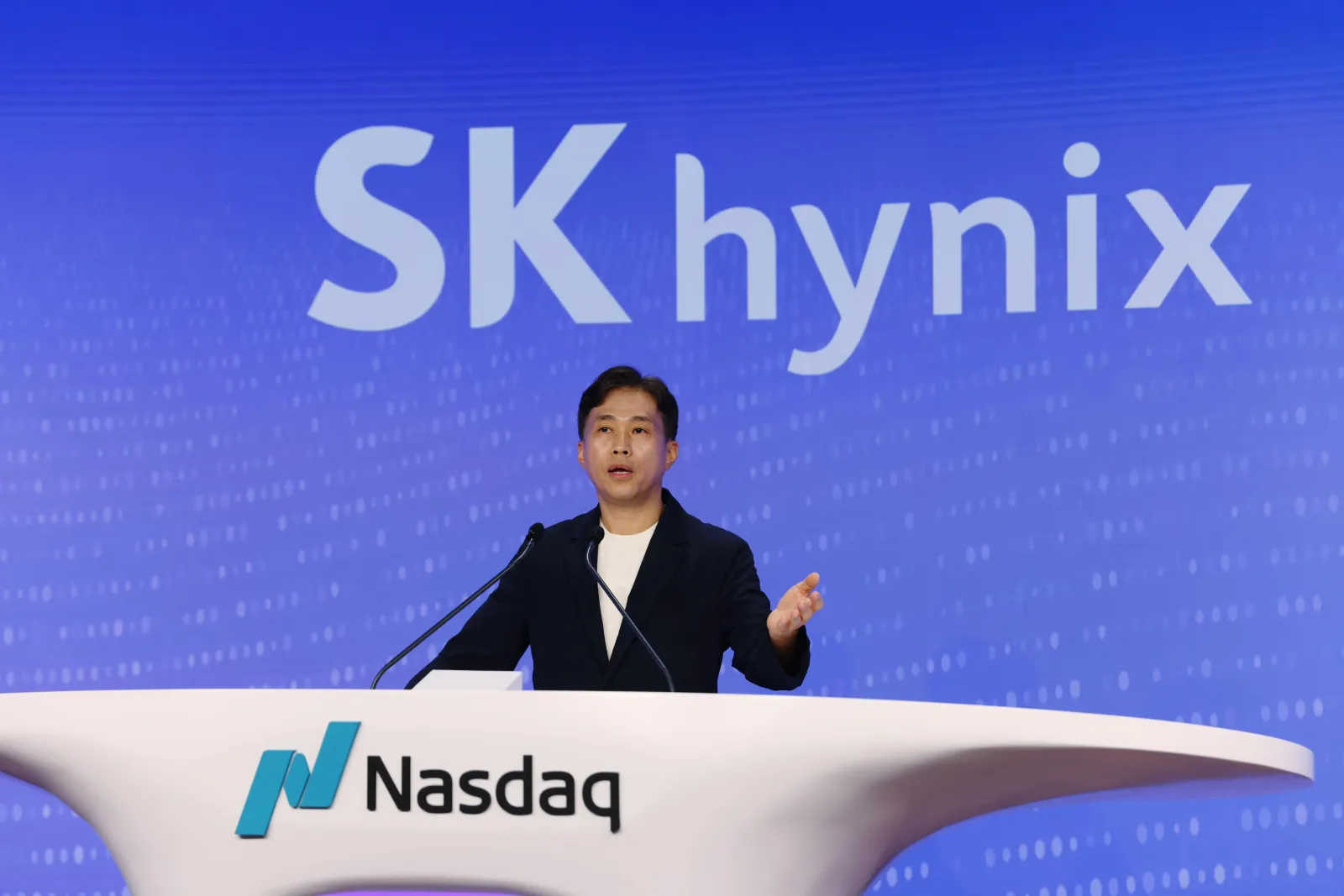
SK Hynix opens at $170, raises $26.5B, and tops foreign IPO records
In Friday's Wall Street debut, SK Hynix turns AI RAM demand into a $26.5B fundraising moment that rewrites comps.