
Microsoft adds four original Xbox games to Windows PC today
Original titles BLiNX, Conker, Crimson Skies, and Fuzion Frenzy go legit on PC, with Xbox Game Pass and license perks.
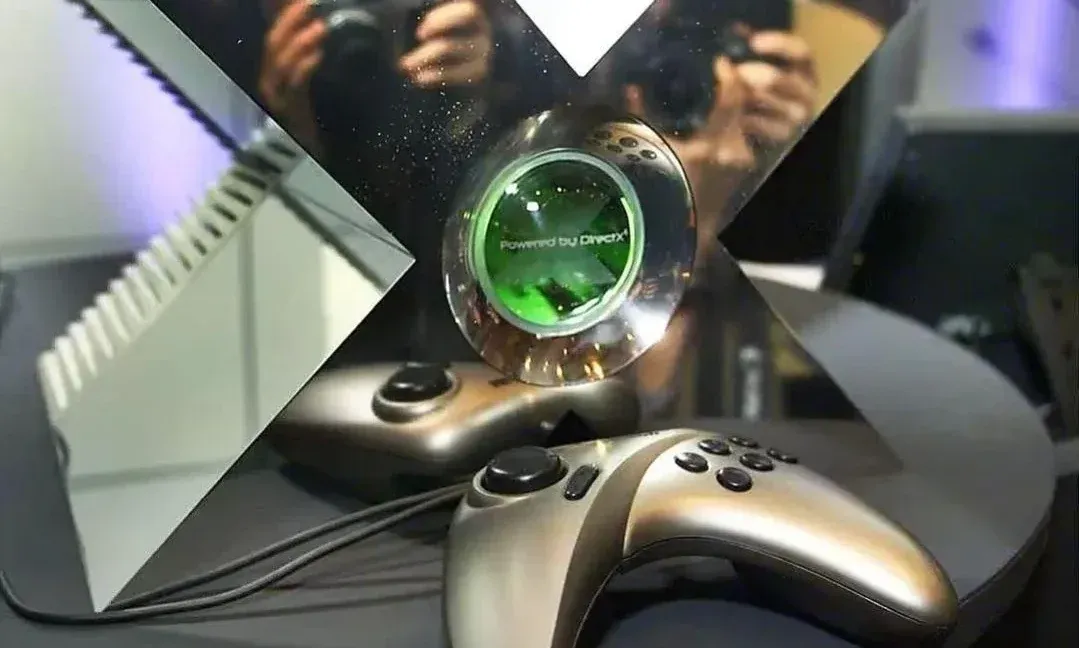
Microsoft’s “Xbox Backward Compatibility on PC” program launches today on Windows, starting with BLiNX: The Time Sweeper, Conker: Live and Reloaded, Crimson Skies: High Road to Revenge, and Fuzion Frenzy. The move expands Microsoft’s backward-compatibility pitch beyond Xbox hardware and into the PC storefront, changing how game libraries are monetized and accessed.
Microsoft is making original Xbox games officially playable on Windows PCs for the first time, starting today with four titles: BLiNX: The Time Sweeper, Conker: Live and Reloaded, Crimson Skies: High Road to Revenge, and Fuzion Frenzy.
Yes, the headline stakes are real. PC players can download each game for $10, but if you have an Xbox Game Pass subscription or existing digital licenses for these games on console, you get instant access without buying again. If you only have an original Xbox disc, Microsoft is bluntly less generous: you cannot just stick it in your PC drive and expect the same convenience.
This is Microsoft continuing a familiar playbook, but with an important twist: for years it has pushed extensive backward compatibility across Xbox generations as a major selling point for consoles. Today, that effort steps outside the living room and lands on Windows, where the game market already rewards “library value” in a different way. On PC, players do not just care about whether a game exists. They care about where it is available, what they already own digitally, and how smoothly it runs on modern hardware.
Under the “Xbox Backward Compatibility on PC” program, the launched games come with specific enhancements that explain the pitch beyond nostalgia. Microsoft says these older Xbox titles enable bonus graphical features on PC, including Vsync support, anisotropic filtering, enhanced anti-aliasing, and up to 4x resolution scaling of the original SD signal up to 2560x1920. That matters because it turns “playability” into “better-than-before” without requiring developers to rebuild the games from scratch.
The tradeoff is equally clear. Games keep their original frame rates and aspect ratios, which typically means a 30 fps 4:3 image in most cases. So this is not a full remaster. It is a compatibility wrapper plus targeted rendering improvements, the kind of pragmatic engineering that makes older titles feel less like museum pieces and more like playable software you can fit into a modern routine.
Performance expectations also land in a way that signals who Microsoft is targeting. Microsoft says this first batch should be playable with 11-year-old GTX 950 graphics hardware, but it recommends a 2017-era GTX 1070 Ti with 8GB of VRAM for best performance. That range tells you the strategy is broad reach first, cherry-picked “high-end only” later. In other words: get enough PCs running the titles quickly to validate demand, then build the program.
From a decision-maker perspective, the real story is how this changes incentives across storefronts and subscriptions. With $10 downloads for new customers and “instant access” for Game Pass subscribers or existing digital license holders, Microsoft is effectively turning backward compatibility into a conversion and retention lever. If you already paid for these games on console digitally, the value of that purchase increases without a second invoice. That makes consumer switching costs higher, and it nudges lapsed users to re-engage, because their library has a path forward.
There is also a market-structure implication for boards and peers. Backward compatibility is not only goodwill. It is infrastructure, licensing, and partner alignment, all of which can be strategically leveraged when platform ecosystems compete for mindshare. Expanding the program to PC also puts pressure on competitors to show similar library continuity, particularly in an industry where catalog size and “what you can play right now” often influence purchasing and subscription decisions.
Finally, compatibility programs sit in the broader policy and governance background of the gaming world, where licensing and platform rights determine what can be offered where. Microsoft’s approach avoids the “disc-in-a-drive” trap by making access contingent on digital licenses and its distribution model. That suggests Microsoft is treating this as an ecosystem-controlled product, not a free-for-all, which limits ambiguity and reduces operational risk while still delivering a tangible experience upgrade.
The strategic stakes are simple: as Microsoft brings select original Xbox titles onto Windows PC, it is extending the stickiness of Xbox software into a second platform and strengthening the value proposition for Game Pass and digital ownership. For executives watching growth levers, this is a reminder that the fastest route to incremental revenue and retention is often not new content alone, but making existing content more valuable across more screens.
This story's Key Insights and Take-aways are locked.
Create a free account to unlock Executive Actions for one credit.
Register to UnlockAlways free for Executives Club members. Join the Club
More in Technology

Google quietly links your phone number to every Android account on your SIM
Adding a SIM now ties your phone number to all Google accounts - and future accounts inherit it. Here's the security and privacy stakes.

Hijacker AI 'Skynet mode' runs 100,000 attack steps against exposed models
Symantec caught a criminal AI agent that borrows other models, steals data, and mines crypto; the only relief is no confirmed victims yet.

Nvidia's AI-financier shift faces its first big test as neoclouds stumble
A rout in neocloud stocks is forcing investors to weigh Nvidia's hidden exposure as both supplier and lender to the AI buildout.