

Microsoft confirms Fable’s Feb 23, 2027 launch after a 2026 pushback
The Xbox Games Showcase sets release plans, and Premium Edition buyers get early access starting Feb 18.
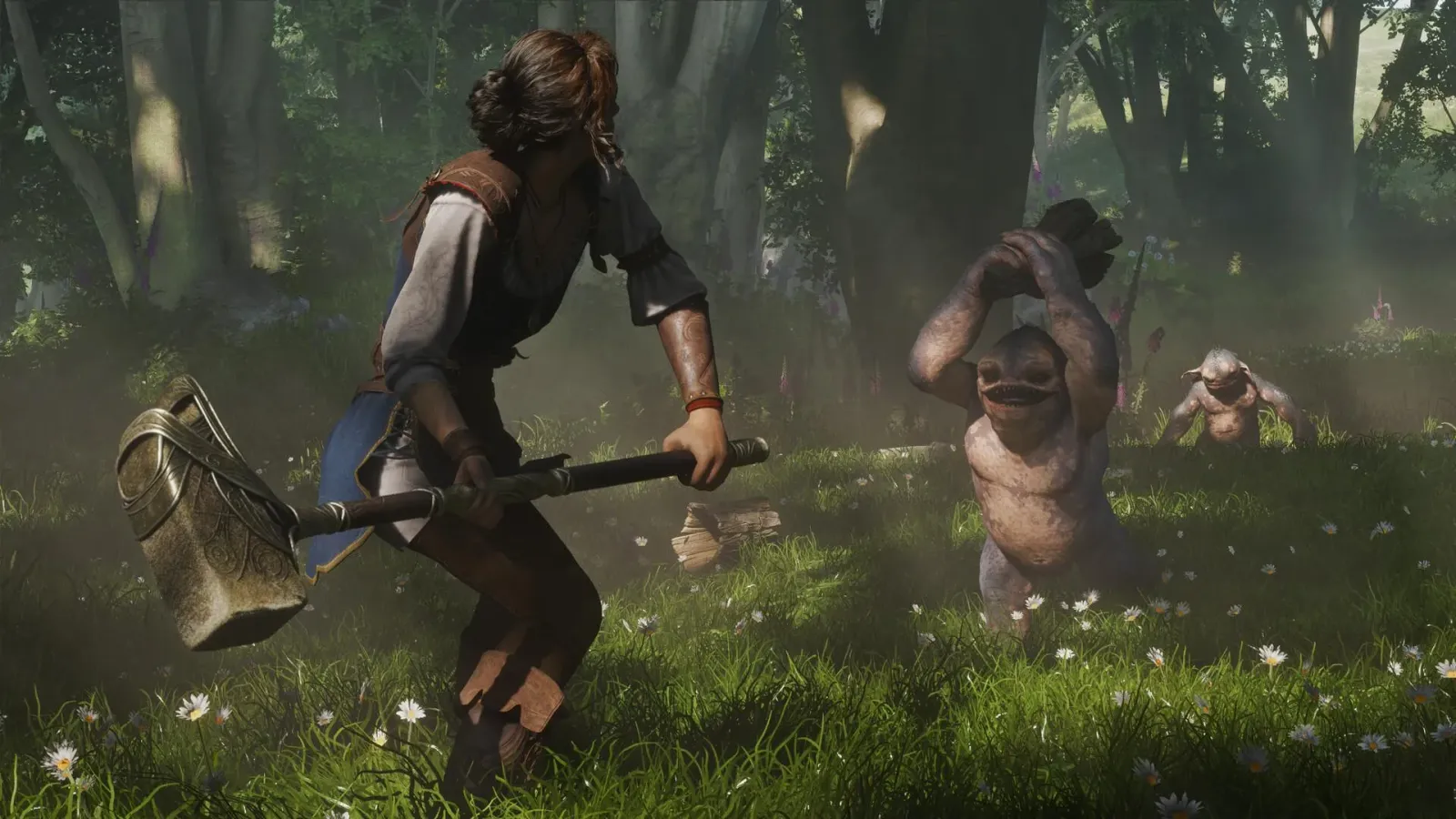
Microsoft used its Xbox Games Showcase to reveal more footage of Fable and lock in a new release date after the game was pushed out of 2026. Fable will launch February 23rd, 2027, with Premium Edition early access on February 18th.
Microsoft is officially drawing a line under Fable’s delay: after pushing the RPG out of 2026, the company confirmed February 23rd, 2027 as its launch date during the Xbox Games Showcase. That is not just a calendar update. It is a concrete planning signal for anyone building schedules, marketing calendars, storefront calendars, and internal roadmaps around a marquee franchise.
In the same showcase, Microsoft also announced the Premium Edition perk: early access starting February 18th. Five days might sound small, but in games, that window can determine who livestreams, who reviews early, how influencers schedule their content, and when the first wave of purchases turns into broader demand. If you are an executive thinking in cycles, those dates are the rhythm section.
Fable is also carrying real franchise gravity. This is the first new entry in the storied series since 2010’s Fable III. That matters because long gaps usually do two things at once: they shrink the audience that remembers the old world in detail, and they raise the expectations of the people who do. Microsoft showed more footage at the showcase, and the trailer follows a dedicated gameplay overview shown earlier this year. In other words, this is not a one-off cinematic reveal. It is a drip-feed strategy that uses earlier gameplay visibility to reduce the “show me before I believe” skepticism.
For decision-makers, the key question is what kind of bet Fable represents inside Microsoft’s broader game pipeline. A major, legacy RPG typically sits at the intersection of brand trust and live-service economics, even if it is not itself a live service. The industry has trained players to demand both polish and clear direction. A delay like the one from 2026 to 2027 often means teams needed more time to align core systems, production quality, or scope. Even when the cause is not spelled out publicly, the calendar shift itself is a signal: the company chose timing over momentum.
There is also a publishing and commerce angle. Release timing around the end of February can be strategically useful. It avoids some of the most crowded holiday windows and can create space for marketing focus. But it also puts pressure on Microsoft to make the lead-up weeks count, because once the game is late, the next visible milestone becomes the battleground for attention. Premium Edition early access on February 18th creates a built-in pre-launch hook that can be used to drive conversion right before launch. Executives care because early access can accelerate visibility and early engagement, which then feeds broader awareness when the standard edition ships on February 23rd.
Another subtle second-order effect is how this kind of milestone announcement interacts with partner ecosystems. Even without naming specific partners, a confirmed date influences distribution planning, merchandising arrangements, store feature slots, and the coordination that happens across marketing teams and external creators. It also helps internal teams make tradeoffs: what to highlight now, what to hold for later, and how to align product announcements with the company’s broader narrative. Microsoft is effectively telling the market, “We have a date you can build on,” after the earlier move out of 2026.
And yes, there is the content side too. Based on what Microsoft has shown so far, the new Fable looks like it could deliver on what fans love about the original trilogy, including the fantasy RPG setting and a lot of British humor. That last piece is not filler. Humor style and world tone are part of what makes a franchise feel like itself. If those elements land, the franchise can convert nostalgia into willingness to try again. If they miss, the long gap makes the reset harder. The showcase footage and the earlier gameplay overview together suggest Microsoft wants players to see continuity in identity, not just reinvention.
For competitors and peers watching, the strategic stakes are clear. Fable is not just another release. It is a legacy IP returning after a long absence, and Microsoft has chosen a specific late-winter landing point plus a Premium Edition early-access bridge. That combination is a framework for how big publishers manage delays without letting their marquee franchises fade. In a market where attention is perishable and calendars are crowded, confirming February 23rd, 2027 after a 2026 push is Microsoft telling the industry it is ready to re-enter the conversation with a plan.
This story's Key Insights and Take-aways are locked.
Create a free account to unlock Executive Actions for one credit.
Register to UnlockAlways free for Executives Club members. Join the Club
More in Entertainment

Entertainer Russell Brand denies 7 sex charges amid accuser's 'couldn't breathe' claim
The alleged victim's account sharpens the reputational and legal stakes for Brand, his platforms, and any business tied to a public figure under criminal scrutiny.

Russell Brand's accuser 'bewildered and confused' as he denies 7 sex charges
The criminal case against the comedian is a live test of how media companies manage talent risk when serious allegations go public.

'It's a Magic Trick': Ballet Experts Say Rosalía's SNL Pose Is Impossible
Three ballet experts tell Rolling Stone Rosalía's gravity-defying SNL stillness shouldn't be possible - and why the debate is now part of the show.