
Microsoft cuts less than 2.5% of 220,000 staff, planning thousands of layoffs next week
The cuts target sales, consulting, and Xbox, as Microsoft trims costs while AI spending ramps up.
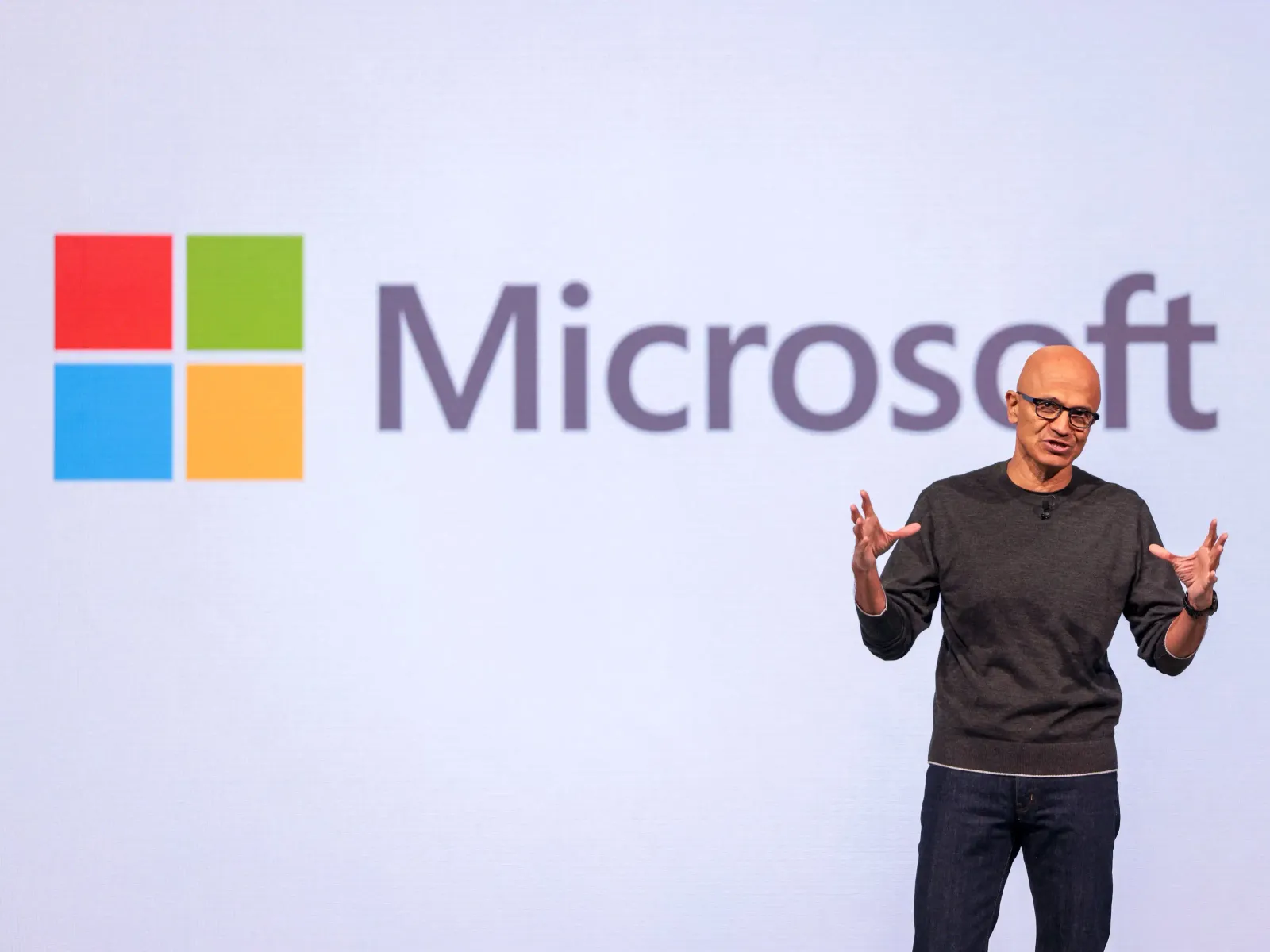
Microsoft is planning to announce job cuts next week that will affect thousands of roles, including sales and consulting, plus some positions at Xbox, according to people familiar with the situation. The projected impact is under 2.5% of its 220,000-person workforce, signaling a cost-control push during a major AI investment cycle.
Microsoft is preparing to announce job cuts next week that are expected to impact thousands of roles, including sales and consulting jobs and some positions at the Xbox gaming division, according to people familiar with the situation. The scale matters here: the cuts are expected to be less than 2.5% of Microsoft’s 220,000-person workforce.
If you are a finance leader, the headline number is the real signal. “Less than 2.5%” is a smaller share than the layoffs Microsoft carried out last year, and it comes as the company tries to rein in costs while ramping up spending on AI. Some employees are also expected to be offered new roles immediately, which suggests the company is not just trimming headcount, it is trying to redeploy people quickly.
What makes this round notable is how it fits into Microsoft’s broader cost posture. In prior years, Microsoft has sometimes cut jobs around the start of its new fiscal year on July 1. Last year, the company eliminated 6,000 roles in May and then cut an additional 9,000 employees, or about 4% of its workforce, in July. This time, the company is still reducing headcount, but at a lower percentage, which people familiar with the situation say is partly made possible by a different mechanism Microsoft used earlier.
Earlier this year, Microsoft announced a voluntary retirement program offering buyouts to employees level 67 and below in the US who had 70 or more years of age and service. About 7% of Microsoft’s 125,000 US workforce, or nearly 9,000 employees, was eligible. Roughly one-third of eligible employees took the buyout, in line with expectations, according to one person familiar with the situation. The buyouts excluded sales employees with commission-based compensation, according to an internal document viewed by Business Insider.
That sequence matters for how leaders think about risk and execution. If you are planning workforce changes, voluntary programs can shift reductions earlier and soften the need for a larger, more disruptive round later. People familiar with the situation said that dynamic helped Microsoft cut a lower percentage of its workforce compared to last year. In other words, this is less “only layoffs” and more “a layered plan” combining buyouts, redeployment, and a smaller second wave.
Then there is the AI factor, the one that keeps showing up in investor and board conversations right now. Microsoft has been spending heavily on AI, and this job-cut plan underscores an effort to control costs during that ramp. At the same time, Microsoft has faced pressure from Wall Street over concerns that AI could replace software services, including, in theory, some Microsoft offerings. The market reaction has not been kind: Microsoft’s stock has slumped about 17% in the past month.
This is the kind of pressure that can compress decision-making. When a company’s valuation is moving against it, leaders often look harder for levers that protect margins without signaling retreat from strategic bets like AI. Cutting less than 2.5% of a 220,000-person workforce can be read as a targeted adjustment designed to avoid repeating the larger workforce reductions seen last year, while still showing action on cost discipline.
Finally, the story has a gaming edge. Xbox layoffs have been expected since new gaming CEO Asha Sharma sent a memo to employees calling for a “reset” for this business. That “reset” framing is consistent with what this round includes: roles at the Xbox gaming division are expected to be among those affected. For executives across the tech sector, it is another reminder that AI investment cycles do not automatically slow down the need for hard choices in specific product lines. When budgets get tighter, the knife often finds the businesses where turnaround or restructuring is already on the table.
The second-order takeaway for boards and senior operators is straightforward: workforce strategy is becoming a balancing act between “fund the future” and “prove you can still earn.” Microsoft’s approach, combining a voluntary retirement buyout earlier in the year, a smaller share of total headcount cut now, and immediate role offers for some employees, is a playbook for how large enterprises try to manage both operational costs and investor expectations in the same quarter.
This story's Key Insights and Take-aways are locked.
Create a free account to unlock Executive Actions for one credit.
Register to UnlockAlways free for Executives Club members. Join the Club
More in Business
Comcast shares jump 25% as it plans to split NBCUniversal and Sky
The tax-free spin-off could reshape focus, funding, and competition across media and tech for years.

Bungie cuts most Destiny 2 staff as Sony says Marathon still matters
Herman Hulst confirms layoffs affecting most Destiny and some Marathon teams after Bungie admits Destiny fell short.

SK Hynix jumps 11% after seeking up to $29.4B in Nasdaq listing
The chip giant filed for a Nasdaq listing plan that could raise $29.4 billion, instantly reshaping investor expectations.