
Microsoft invests $2.5B in Microsoft Frontier, betting AI buyers get measurable outcomes
A new 6,000-engineer unit aims to turn enterprise AI pilots into real ROI, model-agnostic and data-protecting.
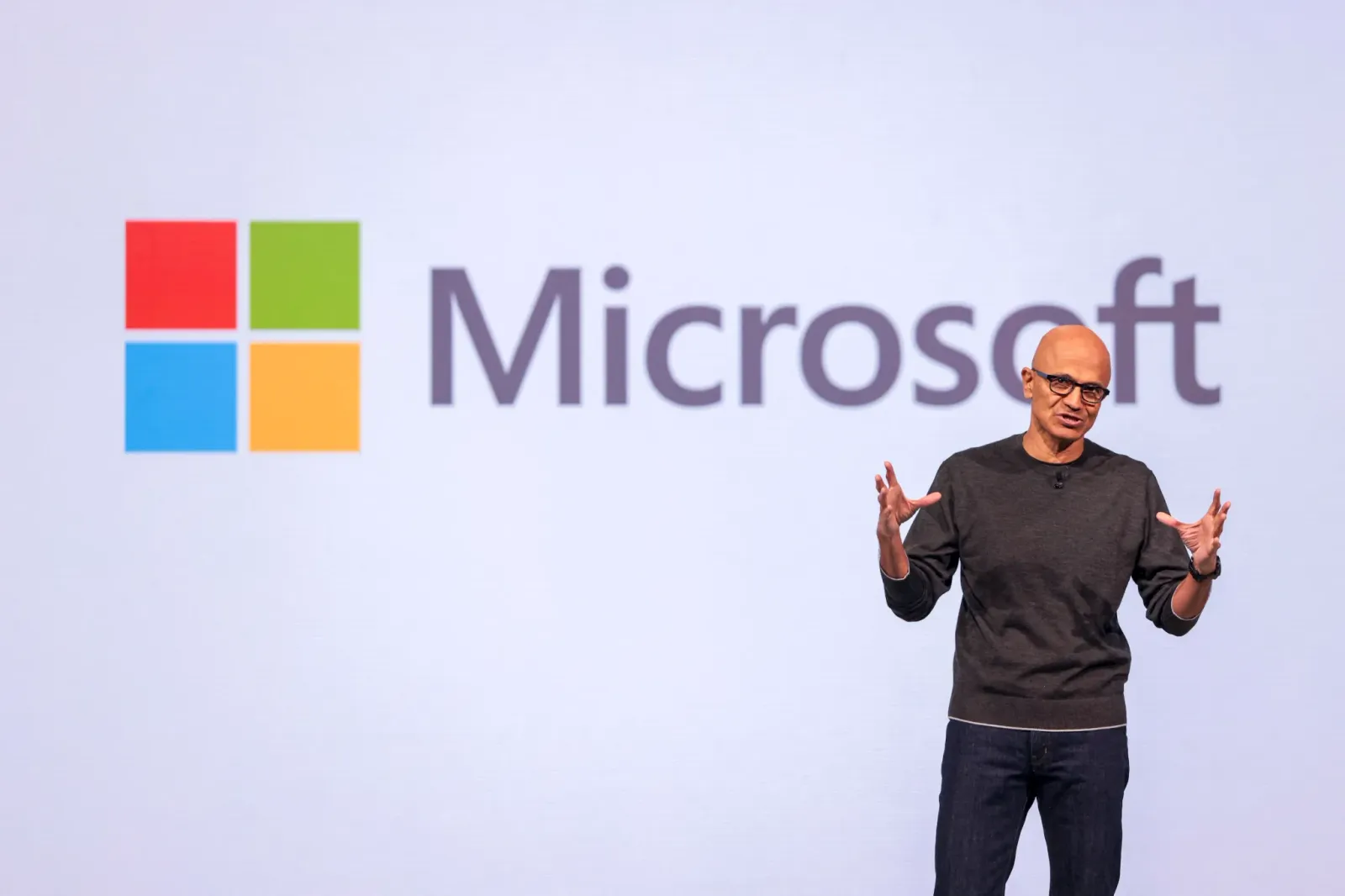
Microsoft is investing $2.5 billion in a new business unit called Microsoft Frontier. Judson Althoff says it will deploy 6,000 forward-deployed engineers to help customers deliver measurable outcomes and avoid dependence on any single AI model.
Microsoft Frontier is Microsoft’s answer to the enterprise AI problem that won’t go away: getting beyond demos and delivering measurable outcomes that justify spend. On Thursday, Microsoft announced it will invest $2.5 billion in the new business unit, aimed at helping customers use Microsoft’s enterprise AI tools to transform their businesses and prove a return on investment.
The centerpiece is scale and on-the-ground help. Microsoft says Frontier will consist of 6,000 “forward-deployed engineers,” industry experts who work directly with customers. Judson Althoff, head of the company’s commercial business, called Frontier “the largest, most capable, outcome-driven engineering organization in the industry,” framing this as more than the usual advisory or implementation programs enterprises have tried before.
Why this matters right now is simple, and a little uncomfortable for anyone sitting in a CFO chair or an executive AI steering committee. Enterprises are adopting AI services while the suppliers are simultaneously pouring money into the infrastructure required to run them. Microsoft and others have spent record amounts on AI data centers, with the hope that customer demand grows and AI costs decline. The risk is that demand does not keep pace with the build, or that customers struggle to translate AI capability into measurable business value. Frontier is designed to attack that gap directly.
This initiative also lands in a crowded, fast-moving pattern. Fortune notes that Microsoft’s announcement came days after Amazon said it would spend $1 billion on a similar forward-deployed engineering initiative. It also follows multibillion-dollar forward-deployed engineering investments from OpenAI and Anthropic. In other words, this is no longer a niche consulting trend. It is becoming a competitive operating model: suppliers believe enterprises need help programming AI services to fit real workflows, not generic experimentation.
Microsoft’s Frontier pitch is notably tied to how enterprises choose models and protect proprietary information. Microsoft’s platform lets companies choose their preferred model for each use case, including options from providers like OpenAI, Anthropic, or open-source models, according to Althoff. The goal is to avoid dependence on any single model provider. Althoff also said a customer’s proprietary intelligence stays protected, with their data, IP, and competitive edge not used to train models in ways that would commoditize what sets them apart.
That “avoid commoditization” line is important because enterprise AI is as much about control as it is about output. When CFOs approve AI budgets, the underlying question is whether companies are buying leverage or giving away their differentiation. Microsoft is trying to make Frontier feel like an adoption engine, not a trapdoor into model dependency.
Microsoft is also anchoring the Frontier story with concrete examples in regulated, high-stakes domains. Fortune points to Microsoft’s recent partnership with the London Stock Exchange Group to support its finance department, including asking AI complex questions and getting back answers across “structured and unstructured financial content.” Finance is increasingly focused on AI, and CFOs are also being called upon to help deliver value inside their organizations, not just approve spending.
The company’s broader bet is that Frontier helps enterprises build their own AI capabilities, and builds an ecosystem where organizations can turn knowledge, workflows, and expertise into AI systems that continuously improve. In a LinkedIn post, Microsoft CEO Satya Nadella wrote that ambition for the unit. He also framed the stakes of AI as a cognitive loop between people and digital systems, arguing this transition is different from previous platform shifts because it changes how work is conceptualized inside an enterprise.
That’s the strategic backdrop: Microsoft and its investors are under pressure. Fortune reports that Microsoft shares are down about 20% in the past year, and that investors have become worried about Anthropic, OpenAI, and other AI competitors eating away at Microsoft’s more traditional software services. In that context, Frontier is not just about helping customers. It is also about strengthening the stickiness of Microsoft’s enterprise position by making AI adoption run through Microsoft’s platform and ecosystem.
Microsoft is not alone in this belief. Palantir popularized forward-deployed engineering assignments, with the U.S. government relying on Palantir’s software for a long time. Shan Sinha, chief executive at the safety-focused wearable startup Canopy and a former Microsoft and Google employee, compared the current investment in forward-deployed engineering roles to the dot-com boom when companies hired people to build websites for customers. Sinha told Fortune that foundational technology exists, but organizations have not yet mapped it to solving the problems those customers actually need solved.
Frontier also signals a timing moment. Fortune notes that this is the year many investors and enterprises are expecting to start seeing true returns on AI investments. Microsoft says it plans to scale globally by working with systems integrators such as Accenture, Capgemini, EY, KPMG, and PwC. Companies Microsoft has worked with, including Land O’Lakes, Unilever, and Novo Nordisk, are seeing measurable outcomes from their AI transformations, according to Althoff.
For executives across the AI stack, the subtext is clear. If the industry wants enterprise AI to become more than a line item experiment, vendors need to deliver outcomes, not just models. Microsoft is betting it can operationalize that promise with 6,000 customer-facing experts, model choice flexibility, and data protection guardrails. For decision-makers, the real question is whether this “outcome-driven engineering organization” can turn AI spend into a repeatable ROI story, and do it before competitors write the same story first.
This story's Key Insights and Take-aways are locked.
Create a free account to unlock Executive Actions for one credit.
Register to UnlockAlways free for Executives Club members. Join the Club
More in Business

Comcast shares jump 25% as it plans to split NBCUniversal and Sky
The tax-free spin-off could reshape focus, funding, and competition across media and tech for years.

Bungie cuts most Destiny 2 staff as Sony says Marathon still matters
Herman Hulst confirms layoffs affecting most Destiny and some Marathon teams after Bungie admits Destiny fell short.

SK Hynix jumps 11% after seeking up to $29.4B in Nasdaq listing
The chip giant filed for a Nasdaq listing plan that could raise $29.4 billion, instantly reshaping investor expectations.