
Microsoft raises Xbox Series X prices $100-$150 on Aug 1 as memory costs spike 2.5x
The Xbox 512 GB jump and 1 TB increase hit worldwide, and Microsoft says storage and memory will double again by 2027.
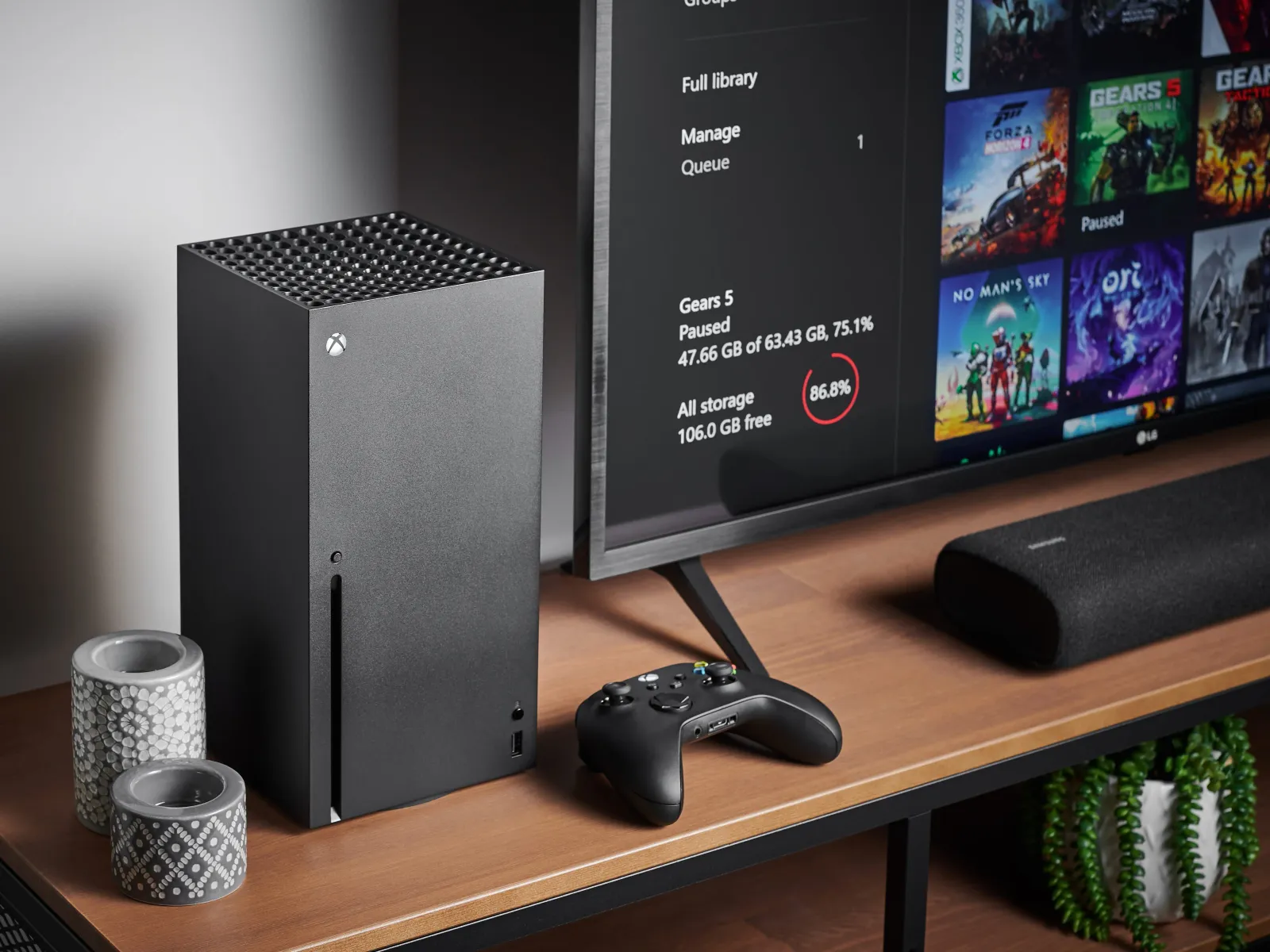
Microsoft announced Xbox Series X price hikes effective August 1, raising prices by $100-$150 depending on storage. The move, driven by memory and storage prices up more than 2.5x and expected to double again, forces console makers and retailers to rethink margins and demand signals for the next holiday season.
Microsoft is raising Xbox Series X prices by $100-$150 starting August 1, and it ties the decision directly to the memory shortage. In a Thursday announcement, Microsoft said memory and storage prices have risen by “more than 2.5x,” and it expects another doubling by the fall of 2027. The net effect is simple for shoppers and complicated for everyone watching the consumer electronics supply chain: Microsoft is essentially re-pricing its flagship console as the input costs keep climbing.
The breakdown is specific. Microsoft says the 512 GB Xbox Series X model will go up by $100, while the 1 TB versions will increase by $150. The Xbox with the highest available storage configuration of 2 TB will be discontinued entirely. Microsoft also confirmed the new pricing will apply worldwide, which matters because global hardware demand and retail planning depend on predictable price bands, especially heading toward holiday shopping.
This is not a one-off adjustment. The price hikes follow prior increases on the latest Xbox generation in May and October 2025. Microsoft also noted in its blog post that “Last October, we increased XBOX console price by $20-$70 in the U.S.” The company said it hoped another price increase would not be necessary, and that it spent months working with suppliers on options. Then it landed on the uncomfortable answer: storage and memory costs are rising too quickly for pricing to stay still.
Microsoft frames this as an industry-wide constraint, not a company-specific strategy. It called out a “components crisis” affecting consumer electronics broadly, but said the effects are particularly hard on consoles. The reason is economic: unlike phones, computers, speakers, and other consumer devices, consoles are “typically not sold at a profit,” but rather for less than they cost to make. That structure means when the cost of essential chips rises, the margin math forces either higher prices, scaled-down configurations, or both. In this case, Microsoft is doing exactly that by raising prices and discontinuing the 2 TB option.
The timing also stacks a second pressure point. The price hike comes on Thursday, hours after Apple boosted prices for MacBook and iPad by as much as $300. Taken together, Microsoft and Apple are effectively telling consumers and retailers that multiple device categories are moving upward at the same time. For decision-makers, the second-order concern is demand elasticity. Even if supply constraints are real, the market question becomes whether buyers pull forward purchases, delay them, or trade down to cheaper tiers. Microsoft is offering programs meant to soften the impact, including buy-now-pay-later and interest-free financing services, plus efforts to make previously used game consoles available via retailers.
It is also not just Microsoft. The broader memory and storage shortage has impacted a “broad range of consumer electronics companies” over the last 8 months, and console pricing is becoming a competitive battlefield. Microsoft’s chief rivals have already moved. PlayStation and Nintendo have both previously announced price increases for the PS5 and Nintendo Switch 2, respectively. That means Xbox’s $100-$150 move is less of a solitary outlier and more of a synchronization of competitive pricing pressure driven by the same upstream chip economics.
Beyond gaming hardware, this same components squeeze is rippling through other categories. Computers, which rely on memory and storage chips, have also become more costly to produce. Apple’s Thursday boosts covered not only MacBook and iPad, but also iMac, Apple TV, HomePod, and Vision Pro, “by as much as $300.” When multiple segments show similar pricing pressure, it suggests the shortage is not a minor hiccup. It is a long-running input-cost shock that forces manufacturers across the ecosystem to revise their pricing, product mix, and inventory strategies.
For Microsoft specifically, the company is also dealing with the history of pricing changes on Xbox Series X. The source notes that the Xbox Series X is now $250 to $300 more expensive than it was when it launched in 2020. Add that to the new $100-$150 increase on August 1, and it becomes clear why Microsoft is emphasizing accessibility programs. For boards and executives, the strategic stakes are about credibility and cash conversion. If console hardware sells closer to cost, price increases are not just revenue levers; they are survival moves that preserve the ability to fund software and services, maintain supply commitments, and prevent retailers from getting stuck with unusable demand signals.
Looking ahead to the fall of 2027 forecast, Microsoft’s expectation of another doubling by then sets a grim baseline for planning. If input costs keep moving that way, executives across consumer electronics will need to treat pricing as an ongoing variable, not a fixed decision. Retail partners will need updated promo calendars. Procurement teams will need more aggressive supplier risk plans. And product teams will likely face increasing pressure to redesign configurations to fit cost curves, as shown by Microsoft discontinuing the 2 TB Xbox Series X configuration. In other words: this is a memory shortage, but it is also a strategy shortage. The companies that manage both will be the ones that keep customers buying while the rest are scrambling for the next price adjustment.
This story's Key Insights and Take-aways are locked.
Create a free account to unlock Executive Actions for one credit.
Register to UnlockAlways free for Executives Club members. Join the Club
More in Business

Bungie cuts most Destiny 2 staff as Sony says Marathon still matters
Herman Hulst confirms layoffs affecting most Destiny and some Marathon teams after Bungie admits Destiny fell short.

SK Hynix jumps 11% after seeking up to $29.4B in Nasdaq listing
The chip giant filed for a Nasdaq listing plan that could raise $29.4 billion, instantly reshaping investor expectations.

Micron revenue hits nearly $42B as AI memory lifts gross margins above 81%
Fiscal Q3 results crush estimates, prove AI memory is rewriting Micron's margins, and change the momentum math for the whole chip stack.