

Microwave-assisted frying could cut French fry oil absorption while keeping the crunch
A hybrid cooking method aims for crispier fries faster, using microwave heating to reduce oil uptake.
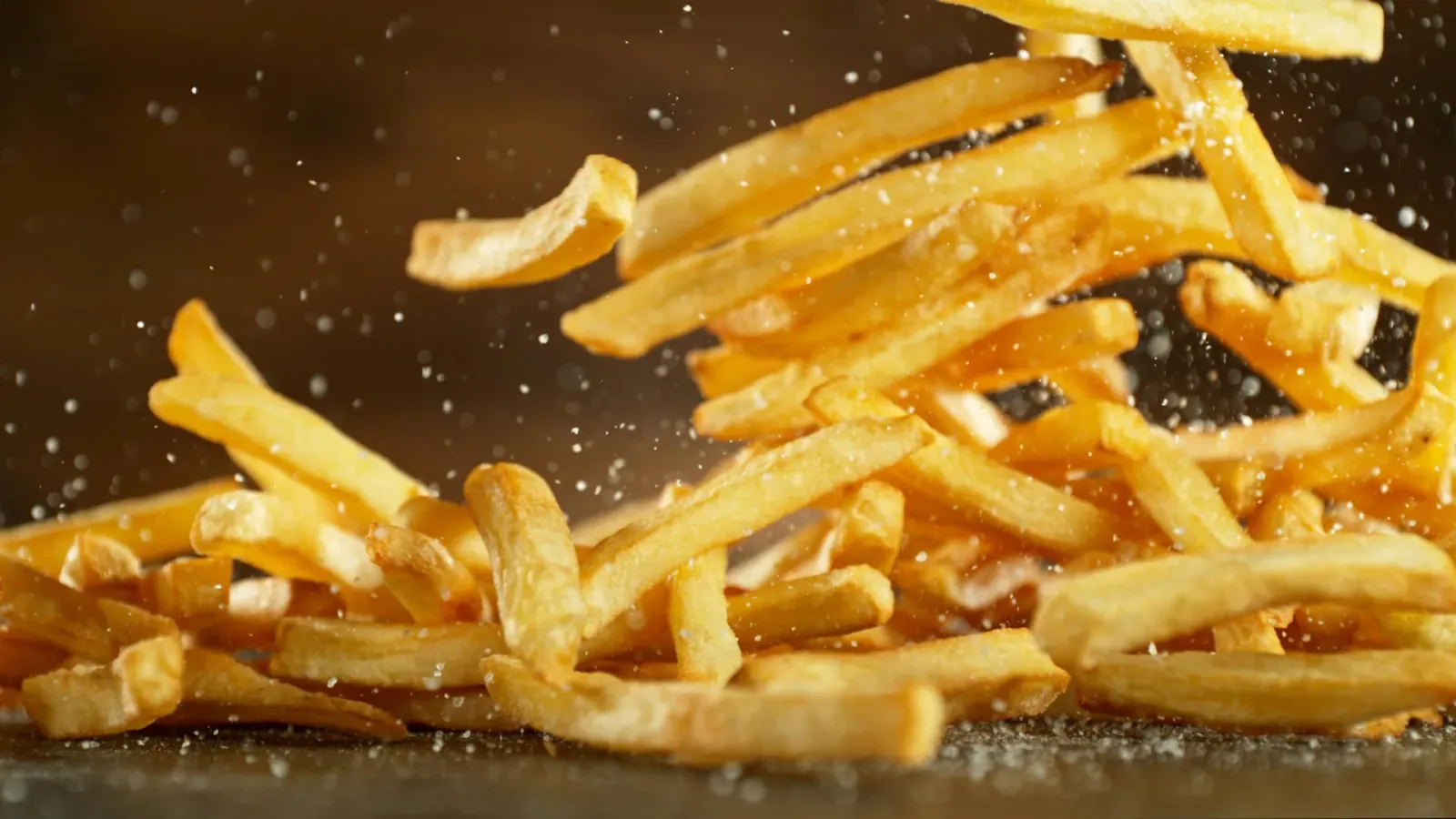
Researchers propose a new microwave-assisted frying approach that combines microwave heating, which limits oil exposure, with conventional frying for crunch. For food companies, it could shift product quality and cost drivers tied to oil use, cook times, and consumer health positioning.
French fries have a tiny brand promise that is basically engineering: crispy outside, soft inside. The catch is that the crisp usually comes with a tradeoff, fries often absorb oil during conventional frying. Now, researchers are pitching a workaround that is as pragmatic as it is oddly specific: use microwave heating to keep oil out, then finish with conventional frying to deliver the crunch consumers expect.
The core of the new method is the pairing. Microwave heating is used first, with the explicit goal that oil stays out during that stage. Then conventional frying comes in as the second step, where the physics are better understood by diners and food scientists alike, the heat and contact that create the characteristic crisp. The result the researchers target is crispier fries in less time while significantly limiting how much oil they absorb.
If you run a food brand or a plant, this is not just a “cool science” story. Oil absorption is a lever that touches multiple parts of the business at once: nutrition messaging, consumer taste expectations, and manufacturing throughput. Health-oriented claims and reformulation strategies have been pushing companies to reduce how much fat ends up in a final product, and oil uptake is one of the most direct technical pathways to do it. Even when regulation does not force an immediate change, consumer pressure and retailer requirements tend to move ahead of what marketing teams can comfortably explain.
There is also the operational angle. The source says the method could make fries crispier in less time. That matters because cooking time and energy use are usually tightly coupled in industrial kitchens. If microwave heating reduces the time spent in traditional frying without sacrificing (and ideally improving) crisp quality, plants can potentially increase capacity, reduce energy per batch, or both. The details are not spelled out in the source, but the direction is clear: replace some part of conventional frying with microwave processing that aims to reduce oil uptake.
So why does the hybrid approach matter? Pure microwave cooking does not automatically solve the “crunch” problem. Crisp texture in fried foods is tied to surface conditions created during frying, including how moisture and oil interact at the exterior. By adding conventional frying as a finishing step, the researchers are essentially acknowledging the market reality: consumers buy the experience, not the lab method. In plain terms, microwave gets you the oil control. Frying gets you the crunch.
From an incentives perspective, this kind of development is attractive because it may let companies pursue “better-for-you” positioning without fully redesigning the product from scratch. Many firms face a painful dilemma when they try to cut fat or oil: either the product changes enough that customers notice a downgrade, or costs rise because the new process is more complex. A method that keeps conventional frying as part of the workflow, even if it is shortened or modified, could lower the adoption risk compared to a complete process swap.
Boards and executive teams should also think about the second-order effects. A technology that changes oil absorption could influence ingredient sourcing and cost structures, since oil usage is a measurable input tied to both expense and waste. It can also affect packaging and supply chain considerations, because oil content can relate to how quickly a product degrades in texture over time, although the source does not provide those data points. The key point for executives is that changing the frying and heating profile can ripple across formulation, quality control, and the customer experience.
There is a broader regulatory and labeling backdrop to keep in mind. In many markets, nutritional guidance, health claims scrutiny, and ingredient transparency have become part of normal product strategy. While the source does not mention specific jurisdictions or compliance requirements, limiting oil absorption is exactly the kind of technical outcome that makes it easier to align with evolving expectations around healthier foods. For decision-makers, the question is not only “does it work?” but “does it work in a way that supports both quality and the claims strategy that goes with it?”
Strategically, this matters to anyone building or investing in prepared foods, snacks, or restaurant supply chains. Fries are a high-volume category with a constant drumbeat of performance targets: taste, texture, price, and increasingly, health and portion concerns. A microwave-assisted frying method that targets crispier fries in less time while significantly limiting oil absorption is the kind of improvement that can translate into competitive differentiation quickly, if the manufacturing details hold up beyond the lab. In other words, it is not just a new way to cook fries. It is a new way to potentially rewrite the tradeoff between indulgence and health without making customers feel like they took a downgrade.
This story's Key Insights and Take-aways are locked.
Create a free account to unlock Executive Actions for one credit.
Register to UnlockAlways free for Executives Club members. Join the Club
More in Science

Columnaris hits Brazilian fish farms as Flavobacterium appears for first time
Brazil becomes the new battleground for columnaris disease, expanding where a serious fish pathogen can show up.
Africa’s ghost lineage predates modern humans leaving, adding a third DNA contributor
A new “ghost lineage” in Africa suggests we interbred before modern humans left, reshaping the ancestry story.

AI finds 7 new quasar lens candidates in DESI data, published July 22
The seven gravitational lens systems could let astronomers study growing supermassive black holes without being blinded by quasars.