
Microwave plus frying makes French fries crispier in less time, researchers say
A new hybrid method aims to cut oil uptake without sacrificing the crunch that sells fries.
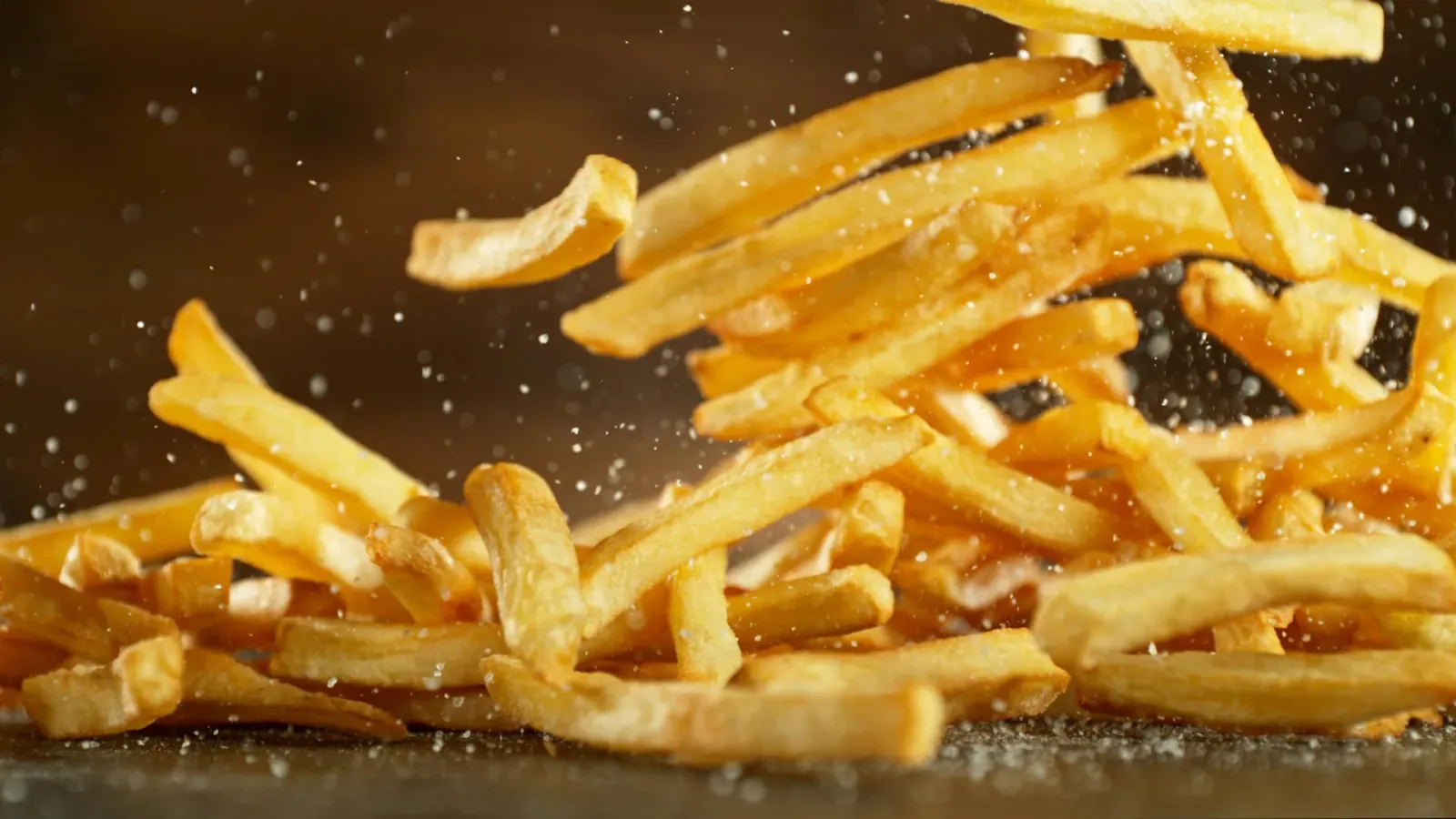
Researchers propose a combined cooking approach that uses microwave heating to limit oil while conventional frying provides the expected crisp. If it works at scale, it could let fry makers improve “healthier” claims while protecting the taste drivers consumers pay for.
French fries have a simple problem with a complicated consequence: the crunch people want usually comes with oil absorption they may not. A new cooking method being proposed by researchers tries to break that tradeoff by combining two techniques that do different jobs in the pan. The idea is to use microwave heating to keep oil out, and then switch to conventional frying to deliver the crisp consumers expect.
That means the pitch is not just “healthier fries,” it is “crispier fries in less time,” alongside “significantly limiting how much oil they absorb.” In other words, the method is aimed at solving the two things food teams get judged on at the same time: consumer satisfaction and product performance. If you can shorten cook time while reducing oil uptake, you change both the sensory experience and the operating math.
To see why that matters, zoom out to how the fry category works. Fries are a high-volume convenience food, and small improvements in processing time and yield can cascade into meaningful changes in cost of goods. Oil is not only an input cost. It is also a driver of downstream issues like cleanup, filtration, equipment wear, and waste handling. When researchers say the approach can significantly limit oil absorption, they are pointing at a lever that can tighten margins even if ingredient and energy prices move around.
There is also a marketing reality that operators have to live with. “Healthier” claims are increasingly scrutinized, and buyers are sensitive to messaging that sounds like a gimmick. The source does not provide specific nutrition numbers or regulatory outcomes, but the direction is clear: reduce oil uptake while keeping the crisp. That positioning is attractive because it aligns with what consumers can taste. When a product stays craveable, you have a better chance of adoption across channels, from quick-service restaurants to frozen retail.
Why the hybrid approach, and not just one method? Microwave heating changes how food energy is delivered, and the researchers frame its role as keeping oil out. Conventional frying, by contrast, is the familiar route to surface dehydration and browning that create the “crunch” people associate with fries. By stitching them together, the method attempts to use microwaves where they are useful and fry where the consumer experience is made. In practical terms, that is a different engineering problem than “replace frying.” It is more like redesigning the process step order so the product gets the benefits of both.
Now add the operational layer. Cooking systems are not just appliances, they are production lines. A new method has to fit into throughput constraints, equipment footprints, and food safety routines. Even though the source focuses on the concept, the strategic implication is that teams would need to validate performance under real production conditions: different potato lots, moisture variability, and target formats like shoestring or steak cut. The promised outcomes are crispness, speed, and reduced oil absorption. Each of those can be measured, and that matters for how fast a company could test and decide.
Second-order implications for executives: if oil absorption drops significantly, the product’s texture and storage behavior could also change because oil content can influence perceived mouthfeel and how quickly fries cool off. That could affect everything from holding times to packaging decisions. Also, if cook time is reduced, lines might become easier to schedule during peak demand. Better scheduling tends to lower overtime and can increase consistency, two quiet drivers of customer satisfaction that rarely show up in headline nutrition narratives.
Finally, there is a competitive angle. Many players are trying to differentiate fries and fry-like snacks through “better-for-you” variants, which can put them in a tough spot if healthier recipes come at the expense of texture. This method’s premise is the opposite: it uses a process innovation to improve the sensory outcome while also reducing oil uptake. For boards and leadership teams, that is strategically interesting because it suggests a way to pursue healthier positioning without automatically sacrificing the one quality attribute that keeps fries in the cart.
In short, the proposed microwave-plus-frying method targets crispness, time, and oil absorption with a single process shift. For decision-makers, the opportunity is clear: if the lab results translate to production, fry makers could improve consumer experience and operational efficiency at the same time. And if they cannot, at least they now have a concrete direction to test, measure, and potentially iterate toward a more resilient product formula.
This story's Key Insights and Take-aways are locked.
Create a free account to unlock Executive Actions for one credit.
Register to UnlockAlways free for Executives Club members. Join the Club
More in Science

Alaska's 1,580-foot tsunami had warning signs. Scientists just found them.
Rapid glacier retreat, heavy rainfall, and thousands of tiny tremors preceded Alaska's 1,580-foot tsunami, a warning for every coastal community in a warming world.

The rare mutation that lets high-risk brains dodge Alzheimer's
Scientists found a natural defense against protein buildup, opening a new path to preventive treatments.

3,000 steps a day may halve Alzheimer's decline, study finds
New research links a modest daily walk to less tau buildup and nearly half the cognitive and functional decline, even for those with early signs.