
Midjourney pushes an “unclean hands” fight to force Disney, Universal, Warner to disclose AI use
In a Disney/Universal/Warner AI lawsuit, Midjourney says the studios must reveal internal storyboarding and ideation training.
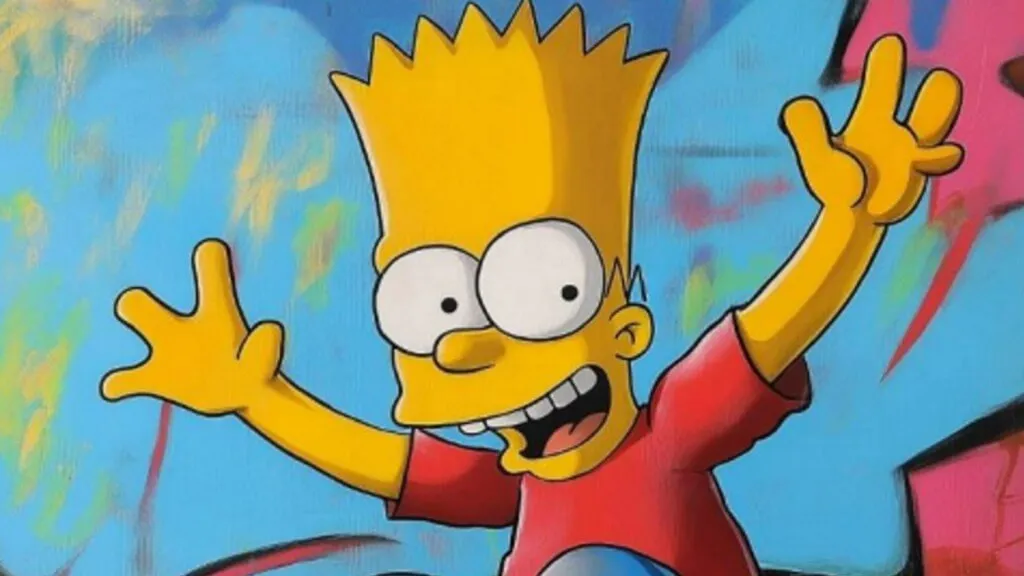
Midjourney is pressing a judge to compel Disney, Universal, and Warner Bros. to disclose their own AI usage in a lawsuit that alleges copyright violations and AI training on protected characters. The push could reshape discovery and how boards and legal teams assess AI workflow risk beyond consumer-facing outputs.
Midjourney is taking a very specific swing in the Disney/Universal/Warner Bros. AI lawsuit. After a prior ruling forced the studios to admit AI usage only for consumer-facing products, Midjourney is now trying to move the fight deeper. Per Variety, the AI company is continuing to push a judge to require the studios to disclose their internal AI use, including internal conversations and presentations about things like storyboarding and ideation.
That is the core stake for decision-makers: the case is no longer just about whether Midjourney allegedly let users violate copyrights or trained its models on protected property. It is also about whether the plaintiffs can keep their hands clean in court by limiting what they must reveal. If Midjourney succeeds in broadening disclosure, the studios’ internal workflows around image-generating AI become part of the evidentiary record, not just their public-facing experiments.
Last year, the lawsuit landed with the combined weight of three of Hollywood’s biggest studios. Disney, Warner Bros., and Universal teamed up to tear into Midjourney over two related claims: alleged user copyright violations and alleged training on the same protected content. Midjourney’s response, described as “practically Biblical” in the reporting, leans on the idea that the plaintiffs should not be trusted to cast judgment while allegedly doing similar things.
Midjourney’s courtroom posture is being framed as an “unclean hands” defense. In plain English, it is the argument that the person suing you is up to their own misconduct while accusing you of the same. The filing quoted in the report lays out Midjourney’s theory in conditional terms. It says, “If Plaintiffs are developing image-generating AI models-trained on unlicensed, third-party copyrighted data-for internal use in storyboarding or ideating content for film or TV, that evidence would equally demonstrate that it is an industry custom, even among the studios themselves, to download and train AI on unlicensed copyrighted content.”
The emphasis matters. Midjourney is not asserting that the studios definitively trained on unlicensed copyrighted material. It is arguing that if they did, the evidence would show an industry custom, including among the studios themselves, to download and train on unlicensed content. The report also points out the evidentiary asymmetry at this stage: Midjourney “has no proof that any of its accusers are actually sharing in the ‘fun’; meanwhile, the studio’s lead attorney suggested that all of this is just meant to draw focus” from the studios’ view of the case.
According to the reporting, the studios characterize the request as a distraction from what they see as the “pretty simple request”: stop copying their movies and TV shows, and stop distributing, publicly displaying, publicly performing, and creating derivative works that include copies of Plaintiffs’ famous characters without authorization. That is the tension playing out in discovery. Midjourney wants the judge to broaden what the studios must produce, including internal material tied to storyboarding and ideation. The plaintiffs want the case to stay anchored on Midjourney’s alleged copying and distribution of character-containing derivative works.
This kind of discovery fight is a big deal in real boardrooms because it changes what gets measured. Many companies can handle allegations about public-facing demos, marketing collateral, or customer-facing features. But internal workflows can be messier. Storyboarding and ideation are not always “finished productions,” but they are often the earliest stage where creative teams experiment. If the studios must disclose internal conversations and presentations about how image-generating AI is used, boards and general counsel could end up with a new risk map: not just how tools are used externally, but how they are used to accelerate creation behind the curtain.
It is also a reminder that the case sits at the intersection of copyright law, AI practice, and evolving expectations about transparency. The prior ruling already forced Disney, Universal, and Warner Bros. to admit to their own usage of the tech, but only for consumer-facing products, not anything worked on behind closed doors. Midjourney’s current push is essentially an attempt to pierce that boundary. If you are an operator using AI in any industry where copyrighted material is central, this is the pattern to watch. Courts can start with a narrow disclosure footprint and then expand it based on relevance, defenses like unclean hands, and what the opposing side argues is necessary to test “industry custom.”
For peers, the second-order implication is straightforward: even if your company is not the one being sued, the litigation changes the standard of what “could be asked for” in discovery. If judges become more willing to compel internal AI workflow evidence tied to ideation and storyboarding, compliance programs may need to track not only whether models were trained on certain data, but also where in the creative pipeline those models are used, what content is fed into them, and what internal materials exist that describe the approach.
In other words, Midjourney is trying to force the plaintiffs to answer not only “what did you do as customers or creators,” but “how do you actually use AI when no one is watching.” That is why this push matters even to people outside Hollywood: the discovery posture in this case could influence how quickly other companies get pulled from public narratives into internal records, where the real evidence tends to live.
This story's Key Insights and Take-aways are locked.
Create a free account to unlock Executive Actions for one credit.
Register to UnlockAlways free for Executives Club members. Join the Club
More in Business
BioWare shuts down, Mass Effect 5 dead after $55B EA buyout
The legendary RPG studio's closure lands months after a $55 billion investment group buyout of EA, raising tough questions for gaming's biggest acquirers.
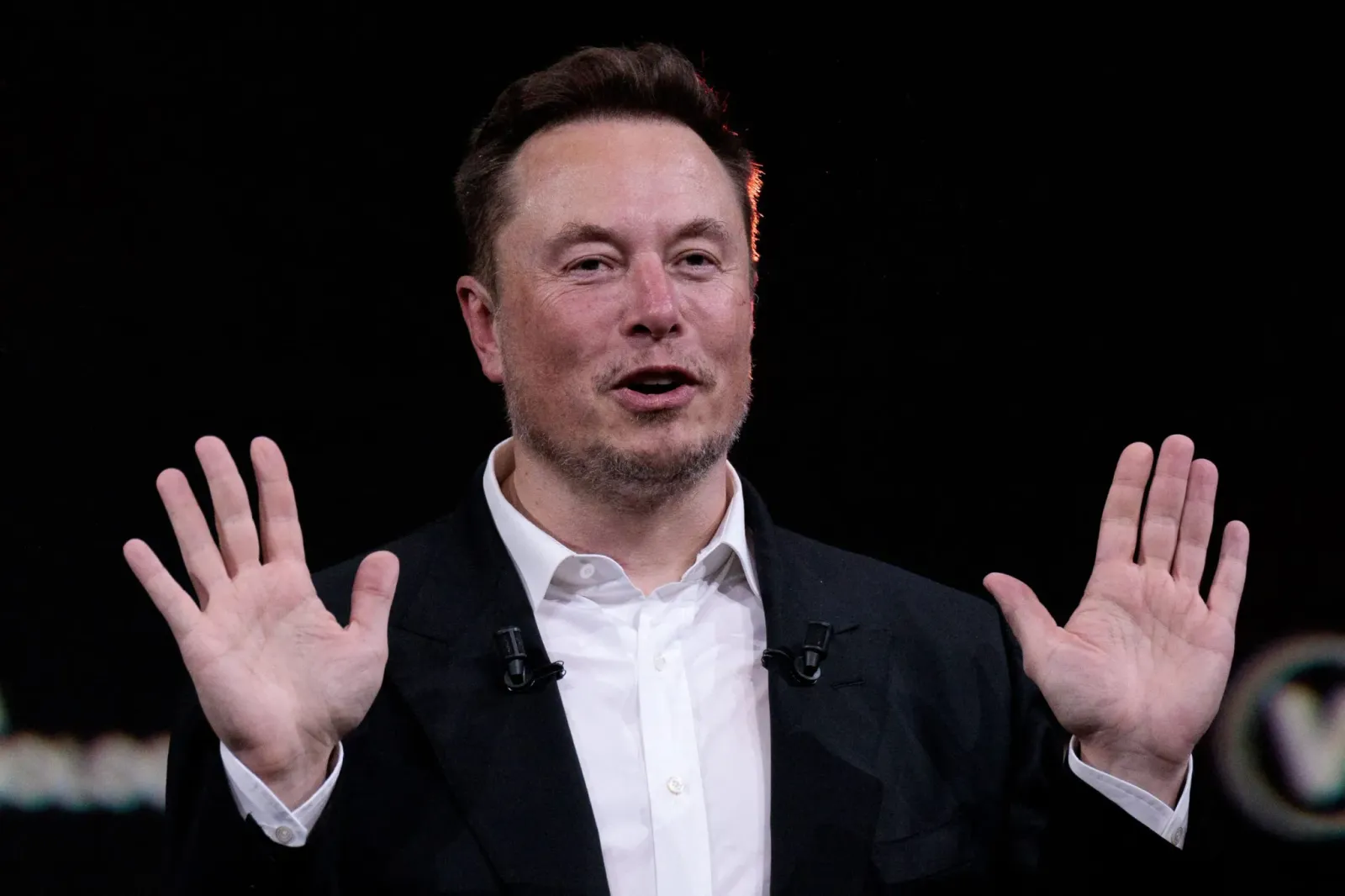
Musk barred from the room as Tesla, SpaceX boards weigh $3.5 trillion merger
The CEO of both companies is a 'conflicted party' watching independent directors negotiate a tie-up that would create a $3.5 trillion giant he would own about a third of.
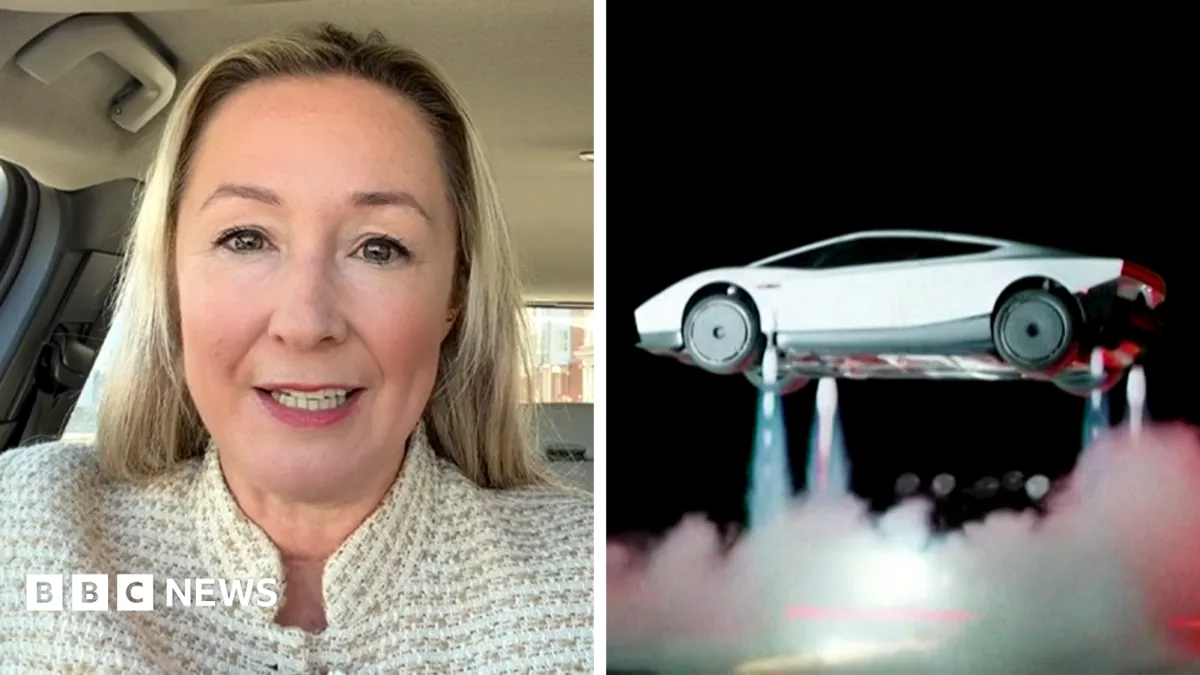
Elon Musk just showcased a flying car - and it wasn't at Tesla
The Tesla CEO's latest reveal came at SpaceX, not Tesla, signaling where vertical mobility is headed.