
Mike Johnson pushes defense, election integrity, and a lawmakers' stock ban before recess
With one week until August recess, the House schedule turns into a high-stakes test of enforcement, funds, and rules.

House Speaker Mike Johnson is seeking to move three major items before the House adjourns for its August recess: more defense funding, the president's election integrity bill, and a stock trading ban for lawmakers. The consequence is a potential end-of-summer scramble that could reshape policy priorities and compliance expectations for political actors.
A week is a lot of time in Washington, which is another way of saying it is barely enough time for the things that matter. With just a week left until August recess, House Speaker Mike Johnson wants to advance more defense funding, the president's election integrity bill, and a stock trading ban for lawmakers before the House adjourns. That is three big buckets of policy. And they land right at the intersection where politics meets operational reality: budgets, enforcement, and conflicts-of-interest rules.
Start with the structure of the problem. The House is about to break for August recess, and Johnson is trying to fit these priorities into the narrow window before lawmakers disappear. The items are not random. More defense funding speaks to national security funding levels and the broader budget fight that follows any change in defense toplines. The president's election integrity bill is about how election rules are framed and policed, which carries ripple effects for election administration and legal standards. And a stock trading ban for lawmakers goes after the incentives and optics that can complicate public trust and oversight, because it changes what elected officials can do with personal investments while in office.
Why does this matter to decision-makers outside Congress? Because these are the exact kinds of bills that set off second-order reactions. Defense funding can influence contracting pipelines and procurement planning, which then flows into budgets for vendors and the staffing decisions of contractors and subcontractors. Even if you are not a defense company, government spending often determines demand timing for related industries. If Congress moves defense funding before recess, it can compress or accelerate planning cycles for the market participants who live on those schedules.
The election integrity bill matters for a different reason: election rules tend to create compliance work downstream. When lawmakers debate and update how election integrity should be handled, they typically force changes in process, documentation, and systems used by election administrators, legal teams, and vendors who support election operations. Even without knowing the fine details of the bill in this NPR snapshot, the stake is clear from the headline list itself: it is the president's election integrity bill, and Johnson is trying to advance it during the last week before recess. That timing matters because elections are not a theoretical event. Rules that change on paper can mean operational adjustments in the real world.
Then there is the stock trading ban. In Washington, these rules are rarely just symbolic. A ban on lawmakers trading stocks can affect how political staff and members manage portfolios, how disclosure works, and how oversight agencies enforce compliance. It also changes the incentives around trading behavior, because even the perception of insider advantage can become a political and legal problem. For boards and executives watching from the outside, it is a reminder that regulatory attention often intensifies when Congress focuses on conflicts-of-interest. Policies targeting political actors can eventually influence how other institutions think about safeguards.
Johnson is effectively trying to move a legislative package across three different policy worlds in the same short window: appropriations for defense, election governance standards, and ethics-like restrictions on trading. The House leadership has to manage more than just votes. It has to manage timing, messaging, and the sequencing of legislative text so that each item can survive the procedural gauntlet long enough to reach the finish line before the recess clock hits zero.
Second, there is the calendar math. August recess is a natural deadline magnet. The closer the recess gets, the more legislators face a tradeoff between acting now and kicking items to later, when attention may be diverted by the next news cycle or the next procedural hurdle. By pushing to advance these measures before adjournment, Johnson is trying to lock in legislative movement before the House resets. Whether that happens or not, the attempt itself is the signal: the leadership wants outcomes, not just hearings.
If you are a leader in a company that deals with government contracts, election systems, or compliance-heavy policy environments, the strategic stakes are straightforward. Congressional schedules can change quickly, but when leadership prioritizes items like defense funding, election integrity legislation, and stock trading restrictions, the market and regulatory posture can shift with it. For executives and boards, that means watching not only what Congress wants, but when it wants it. In the last week before recess, the timing could turn a political agenda into operational consequences for programs, vendors, and compliance planning.
This story's Key Insights and Take-aways are locked.
Create a free account to unlock Executive Actions for one credit.
Register to UnlockAlways free for Executives Club members. Join the Club
More in Politics

Guyana ferry MV Barima capsizes: 27 dead, 83 missing after Georgetown to Essequibo trip
Prime Minister Mark Phillips says 69 passengers were rescued since Saturday’s overturning. Here’s what to watch next.

Hegseth and Gen. Dan Caine testify Tuesday on Iran supplemental after 3 deaths
Why the Senate hearing on the White House funding request matters for war planning and oversight.
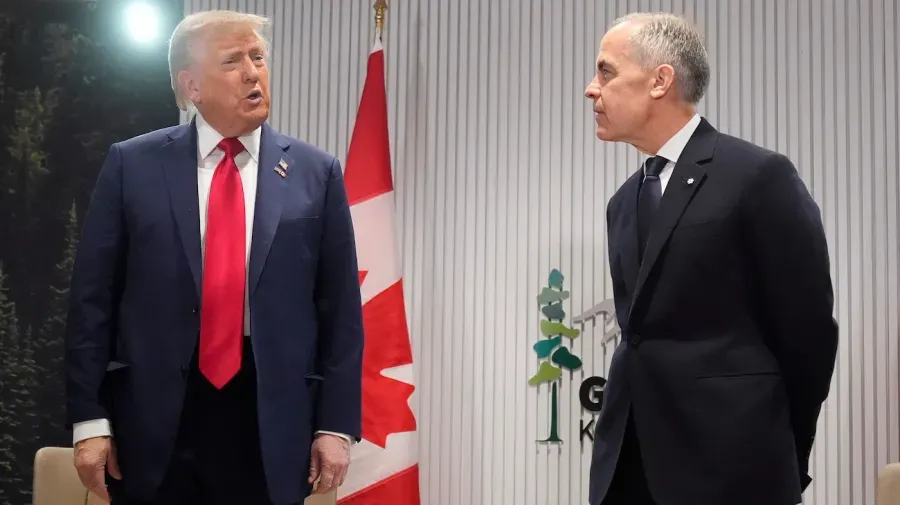
Trump tells Mark Carney wildfire smoke is “poisoning” U.S. air, threatens tariffs
The clash over Canadian wildfire smoke is spilling into trade leverage and raising the temperature on U.S.-Canada relations.