
Mike Wing’s Call of Duty Ambience plays lobby voice chat 24/7, for sleep
A $5-mic nostalgia machine streams multiplayer arguing from Modern Warfare 2 and Black Ops for anyone who logs in.
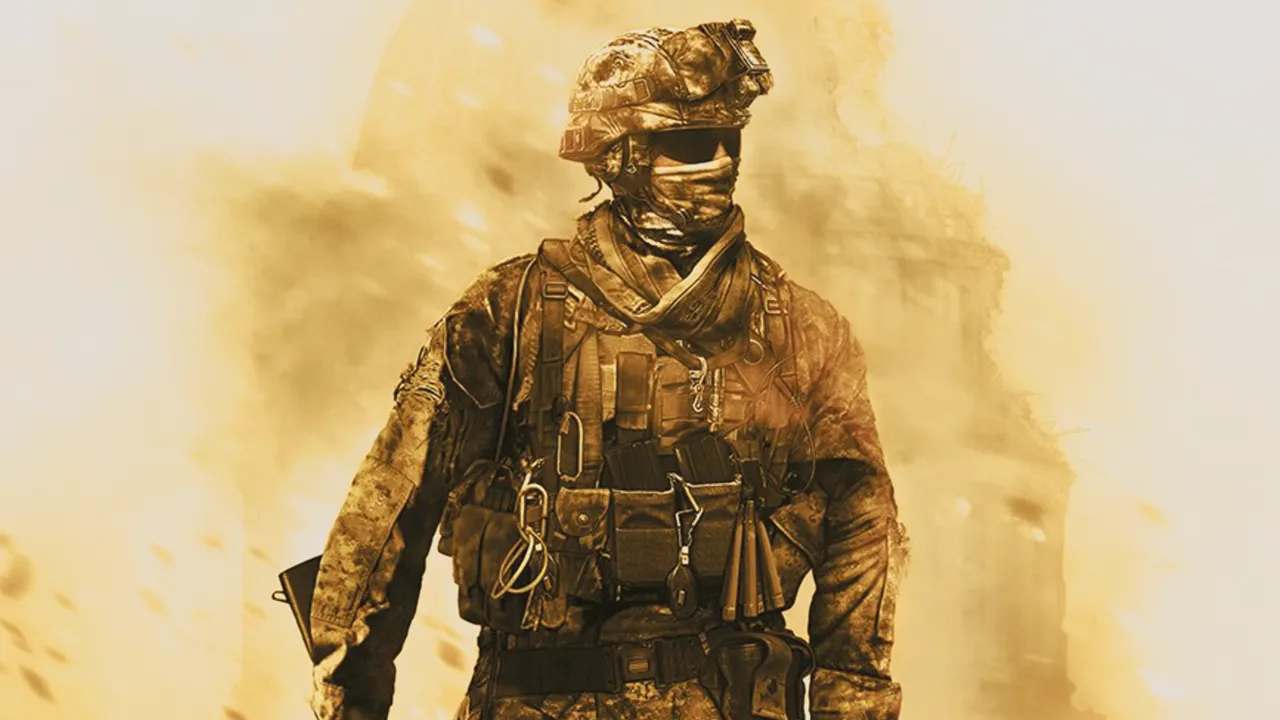
App-maker Mike Wing built Call of Duty Ambience, a new website that lets users log in and fall asleep to multiplayer lobby voice chat. The move turns a messy part of Call of Duty history into a deliberate product, raising questions for executives about commoditized UX and community risk.
Mike Wing, an app-maker, launched a new website called Call of Duty Ambience that plays Call of Duty lobby voice chat 24/7 so people can fall asleep to multiplayer arguments. In an X/Twitter post dated July 16, 2026, Wing explained his concept plainly: “Most people fall asleep to white noise,” and he “fall[s] asleep to grown men arguing in CoD lobbies,” so he “made a website that plays Call of Duty voice chat 24/7.”
The immediate product details are just as direct: the site has an Xbox 360 theme with “cringy gamertags” and other classic visuals, and it lets anyone log in to tap back into multiplayer lobbies. At the moment, it supports three Call of Duty games: Modern Warfare 2, Black Ops, and Black Ops 2, meaning you can get the familiar team deathmatch vibe and the chaotic social layer that came with early multiplayer.
If you are an executive, the first thing to notice is not the humor. It is the way a chaotic, community-generated input is being repackaged into a clean, passive experience. In early days of multiplayer for Infinity Ward and Treyarch titles, players often stayed between matches to chat, and those “CoD lobbies” typically devolved into trash-talking shouting matches that kept going “without any real rhyme or reason.” That sounds like a user experience nightmare, but Wing is effectively productizing it as ambiance. For some people, the mess was also oddly “peaceful in its own way,” and Call of Duty Ambience is turning that vibe into a button you can press.
This is also a reminder that nostalgia is not just a marketing theme, it can be a functional interface. The site’s Xbox 360 aesthetic is built to cue memory fast. Meanwhile, the “lobby” framing matters because the social dynamics are part of what people remember. Modern Warfare 2, Black Ops, and Black Ops 2 are the hooks, but the real differentiator is the background audio of strangers talking through whatever mic setup they have, including the kind of distortion players joked about for years. The original story even leans into the mental image of screaming through a “$5 mic.” Whether you find that charming or unbearable, it is the exact content that makes the service feel like time travel.
From a governance and risk perspective, the context gets more interesting. The story notes a parallel topic: Activision is “combating exploits in its new ports.” While the Ambience site is not framed as an exploit in the source, executives should still read it as a signal that older multiplayer ecosystems and ports create new surfaces for unintended usage. The site allows users to “log in” and receive lobby audio. That implies there is a way to connect to multiplayer spaces that are normally governed by platform policies, anti-abuse controls, and user behavior norms.
There is a second-order implication here for decision-makers: when you commoditize community audio, you also commoditize community behavior. If the core appeal is “grown men arguing,” then the product is riding directly on the same incentives and norms that drive toxic or at least loud interactions in multiplayer lobbies. Even if the site is only intended as a sleep aid, it still turns those interactions into a repeatable, continuously available stream. That can create reputational risk, and it can trigger safety questions: what moderation exists, how content is filtered, and who is accountable when a user turns chaos into entertainment.
To be fair, the source also offers a bridge to the modern technical world. It points readers to “how crossplay works,” and it highlights that “the recently released Black Ops 1 and 2 ports for PS4 and PS5 helped bring back the glory days” in their own way. That matters because ports and crossplay can broaden player pools and shift how communities behave, which changes the audio atmosphere that a service like this would stream. A broader pool can mean more variety, but it can also mean different moderation outcomes and different patterns of harassment or conflict. Call of Duty lobbies historically ran hot, and any system that taps into them becomes dependent on that heat.
Strategically, Call of Duty Ambience is a small product, but it is a big case study in what happens when software wraps a cultural artifact into an on-demand format. Wing’s premise is basically “sleep as a service,” except the service is community voice chat rather than curated soundscapes. For founders and boards, the question is less whether the idea is funny and more whether this is the direction of user behavior: people want authenticity, not polish; they want proximity to the real mess, not a sanitized simulation. And for executives at gaming, media, and community platforms, it raises a sharper one: when ambient culture becomes productized, moderation, platform security, and user safety stop being back-office concerns and become central to how the experience is built, branded, and sustained.
This story's Key Insights and Take-aways are locked.
Create a free account to unlock Executive Actions for one credit.
Register to UnlockAlways free for Executives Club members. Join the Club
More in Entertainment

12TB Steam 'teraleak' goes beyond Valve: GTA 3, Mafia 2 prototypes exposed
A 12-terabyte dump of Steam data reveals prototypes and builds of third-party classics like GTA 3 and Mafia 2, plus unreleased Valve content, rewriting game history.

LinkedIn's romance problem: 1 in 4 workers say dating on it is fair game
A new survey shows a quarter of U.S. employees treat the professional network as fair game for romance, even as LinkedIn bans it and removes hundreds of thousands of offending posts.

Enhypen's first No. 1 album breaks K-pop's Billboard 200 streak
The K-pop group's 98,000-unit debut tops the chart while Dolly Parton's catalog reentry shows how death reshapes streaming.