

Mikie Sherrill’s office blasts FIFA’s $450 World Cup sod plan from MetLife Stadium
New Jersey says it subsidized the pitch and demands a cut of FIFA’s sell-to-fans grass, turning turf into policy fight.
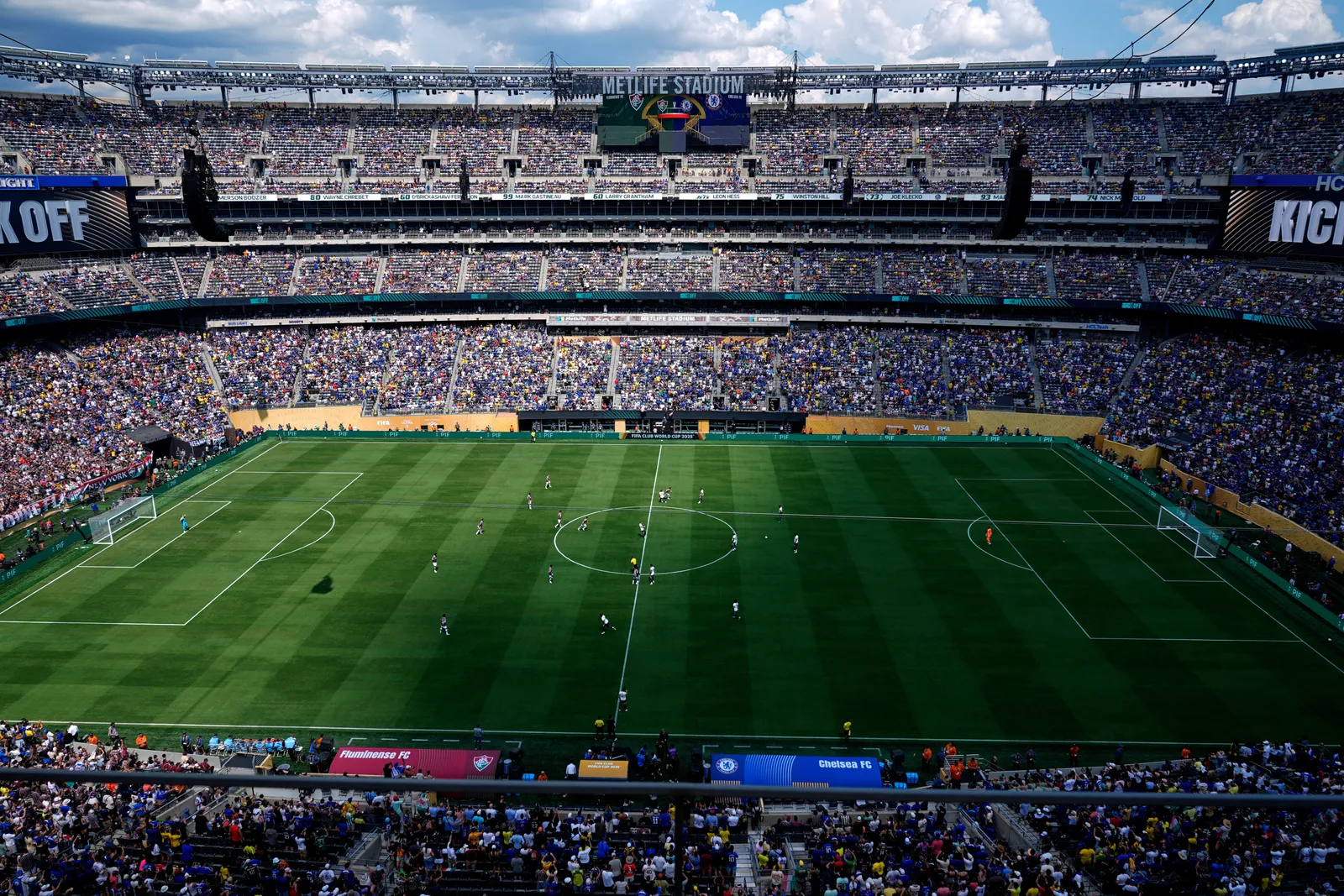
New Jersey Gov. Mikie Sherrill’s office says the Garden State should receive proceeds from FIFA’s plan to sell MetLife Stadium grass to soccer fans priced at $450. The clash raises a live governance question for any host jurisdiction: who pays for the asset, and who gets to monetize it afterward.
New Jersey Gov. Mikie Sherrill’s office is confronting FIFA over a surprisingly concrete line item: the grass at MetLife Stadium. The global governing body, a Zurich-based nonprofit, is planning to charge $450 for sod from this weekend’s World Cup final. Sherrill’s spokesperson, Sean Higgins, argues New Jersey taxpayers already paid the majority of the pitch bill, so they should share in any proceeds from the sale.
This is not just a quirky souvenir dispute. Sherrill’s office frames the argument as a fairness and accountability issue in how major sports events monetize public-backed infrastructure. Higgins told New Jersey Playbook that “New Jersey paid for the vast majority of the total expense for the pitch at MetLife stadium, so New Jersey taxpayers should share in any proceeds from this latest money grab.” FIFA did not immediately reply to a request for comment.
To understand why this is landing like a policy grenade, you have to see the incentive stack around mega-events. Hosting a World Cup typically involves public entities footing big portions of the costs for venues, upgrades, and the work that turns a stadium into tournament-ready infrastructure. FIFA, for its part, controls global branding and event-related commercialization, including what fans can buy and how that revenue is packaged. When the host and the governing body have mismatched views on who funded what, the monetization phase can turn into a battlefield.
In this case, the “product” is the pitch itself, converted into something FIFA can sell to fans as a premium artifact. Sod is easy to explain, hard to argue about in principle, and perfect for turning attendance-generated excitement into a direct-to-consumer revenue stream. But it also makes the funding question unavoidable. If FIFA is charging $450 for World Cup final grass, the host jurisdiction’s claim is that it is effectively paying once through subsidies or expenses and then getting asked to pay again through a system it does not control.
That framing matters for executives and boards because sports governance is basically contract governance plus public perception. Even when the details are embedded in event agreements, the dispute becomes politically salient fast. The turf war between Sherrill and FIFA suggests New Jersey is trying to reframe the sale as more than merchandising. It is asserting that local costs should translate into local benefits, not only in the form of jobs during the event but also in post-event commercialization.
There is also a second-order question lurking under the lawn: if FIFA can monetize the most visible, tangible element of the event and the host cannot capture any upside, it can change how future jurisdictions evaluate bid economics. Host governments typically compare direct costs against benefits like tourism, economic activity, and tax base impacts. But when event-related assets create sellable derivatives, boards and finance teams should think about what “benefits” include after the final whistle. A pitch is not usually a line item in procurement decks, but it is still a funded asset whose downstream value can become contested.
For leaders in similar roles, this story is a reminder that mega-event bargaining does not end when gates close. The post-event phase can involve revenue sharing disputes, interpretation fights about subsidy arrangements, and public claims about fairness. If one host jurisdiction successfully insists on proceeds, it could set a precedent in how other places negotiate future event clauses related to souvenirs, facility residuals, and monetization of event assets.
Right now, the power dynamic looks lopsided in timing: FIFA has a plan and Sherrill is pushing back in public. FIFA did not immediately reply to a request for comment, which leaves the terms and the legal footing unclear from the outside. But the core claim is straightforward, anchored in what Higgins said about New Jersey paying “the vast majority of the total expense” for the MetLife pitch. In disputes like this, clarity on funding allocation is everything, because fairness arguments tend to resonate more strongly when they can point to a measurable cost share.
The strategic stake for executives and decision-makers is not whether grass sells. It is whether the governance model for global sports commercialization treats host spending as sunk cost, or as a claim on downstream returns. When public money underwrites the asset, the political risk for the host rises if it sees the upside flowing elsewhere. When FIFA controls the fan-facing commercial levers, it runs the risk of backlash if the host feels excluded. This turf fight, though small in dollars compared with entire event budgets, is large in symbolism. It is about who gets paid, who gets blamed, and how the next host will model the tradeoffs of hosting something as big as the World Cup.
This story's Key Insights and Take-aways are locked.
Create a free account to unlock Executive Actions for one credit.
Register to UnlockAlways free for Executives Club members. Join the Club
More in Politics

LA County: DOJ's 20,000 'noncitizen' voter list is 'unreliable,' includes U.S.-born
Preliminary review by Los Angeles County election officials finds errors in the federal list, raising the stakes for voter roll integrity ahead of November.

Trump's $1.5B Pentagon chip investment lands in North Carolina
A $1.5 billion defense infusion for North Carolina chipmaking signals a new era of Pentagon-backed reshoring - here's what it means for the industry.

Nigeria confirms first Ebola case in Abuja, a woman just off a Uganda flight
Health Minister Muhammad Ali Pate says the patient flew in from Uganda, putting Africa's latest outbreak on Nigeria's doorstep.