
No EU probe: 72 MEPs urged FIFA review of Balogun red card reversal
A viral claim pinned a probe on Gianni Infantino, but the real pressure came from a letter asking for FIFA action.

Gianni Infantino has faced backlash after viral claims falsely said the European Parliament launched a probe into FIFA’s president. In reality, 72 MEPs wrote to EU football associations urging them to seek a formal FIFA review of the Balogun red card reversal.
Gianni Infantino is getting dragged into a FIFA row that started online and spread fast, but the headline version is wrong. Viral posts with millions of views claimed the European Parliament launched a probe into FIFA’s chief. The actual story is narrower, but it still matters: the pressure came from a letter signed by 72 MEPs, asking EU football associations to seek a formal FIFA review into the controversial Balogun red card reversal.
So no European Parliament probe has been opened. That distinction is not trivia, it is the whole ballgame, because it changes who is actually applying leverage and how. Instead of an institutional investigation moving through parliamentary machinery, the move is framed as political pressure channeled through national or regional football bodies to trigger FIFA’s own review process. The episode, while built on a misconception at first, lands in the same place: it adds to growing scrutiny around FIFA’s president, and it highlights how quickly reputations can get collateral damage in the age of virality.
To understand why executives and boards should care, you have to look at what these moments do to governance credibility. FIFA has long operated with a structure where major decisions around matches and disciplinary issues sit inside football’s own rulemaking and disciplinary ecosystem. When controversy erupts and then gets amplified by political institutions, the risk is that the legitimacy of FIFA’s internal process stops looking purely procedural and starts looking political. Even when the “probe” claim is false, the attention itself can pressure FIFA to respond more publicly, more defensively, or more quickly than it would if the issue stayed inside sport.
Now, put yourself in the shoes of the 72 MEPs who signed the letter, or the EU football associations they addressed. The letter urged associations to seek a formal FIFA review regarding the Balogun red card reversal, which suggests the signatories wanted FIFA to revisit a specific match decision. That matters because disciplinary reversals are high-stakes events in football, not just from a sporting standpoint but from an organizational one. Clubs, leagues, and fans build expectations around consistency, and when a red card decision is reversed, it creates a narrative that can stick for seasons.
This is where the modern “regulatory background” comes in, even if the European Parliament is not opening a probe. In many industries, regulators and parliaments have multiple tools short of formal investigations. They can signal concerns, request reviews, ask institutions to act, or apply reputational pressure that indirectly forces companies or governing bodies to change behavior. In this case, the pressure pathway is: MEPs to EU football associations to FIFA. That is a classic influence channel, and it is especially potent in sports because associations are often seen as bridges between political legitimacy and competition governance.
There is also a governance lesson here for FIFA and for any large organization facing similar scrutiny. Viral misinformation can widen the blast radius in ways that measured, slow-moving oversight processes cannot. By the time facts catch up, the narrative has already done its work. Here, the narrative was that the European Parliament launched a probe into Gianni Infantino. The correction is that no probe was opened. Yet the damage is not fully erased. The article notes that the episode adds to growing scrutiny around FIFA’s president. That means the reputational clock may be moving even if the formal oversight clock is not.
For decision-makers in football, this becomes a second-order issue: how do you manage legitimacy when public claims outpace institutional reality? For those inside FIFA’s ecosystem, internal review processes can be tested for both substance and optics. If the organization does not address a controversial reversal, critics can argue that FIFA is ignoring political and public pressure. If FIFA does address it, critics can still argue the process is too slow or too closed. Either way, attention can create expectations of transparency.
And for executives outside football, the pattern is familiar. When a political institution is mentioned incorrectly, it still triggers interest in the governance question: who has authority, who is accountable, and what process will be used to review contested decisions. Boards in heavily regulated or trust-dependent industries know that credibility is a balance sheet item, even if it does not show up in a quarterly report. In football, where FIFA’s president is a symbolic and operational center of gravity, the stakes are amplified. Today it is a Balogun red card reversal and a letter from 72 MEPs. Tomorrow, it could be a different disciplinary action, a different viral claim, and a different set of institutions drawn into the orbit of the controversy.
In short, the EU did not launch a probe. But the episode still signals that FIFA’s internal legitimacy is under a microscope, and it is being influenced through political routes that can be as impactful as formal investigations.
This story's Key Insights and Take-aways are locked.
Create a free account to unlock Executive Actions for one credit.
Register to UnlockAlways free for Executives Club members. Join the Club
More in Politics
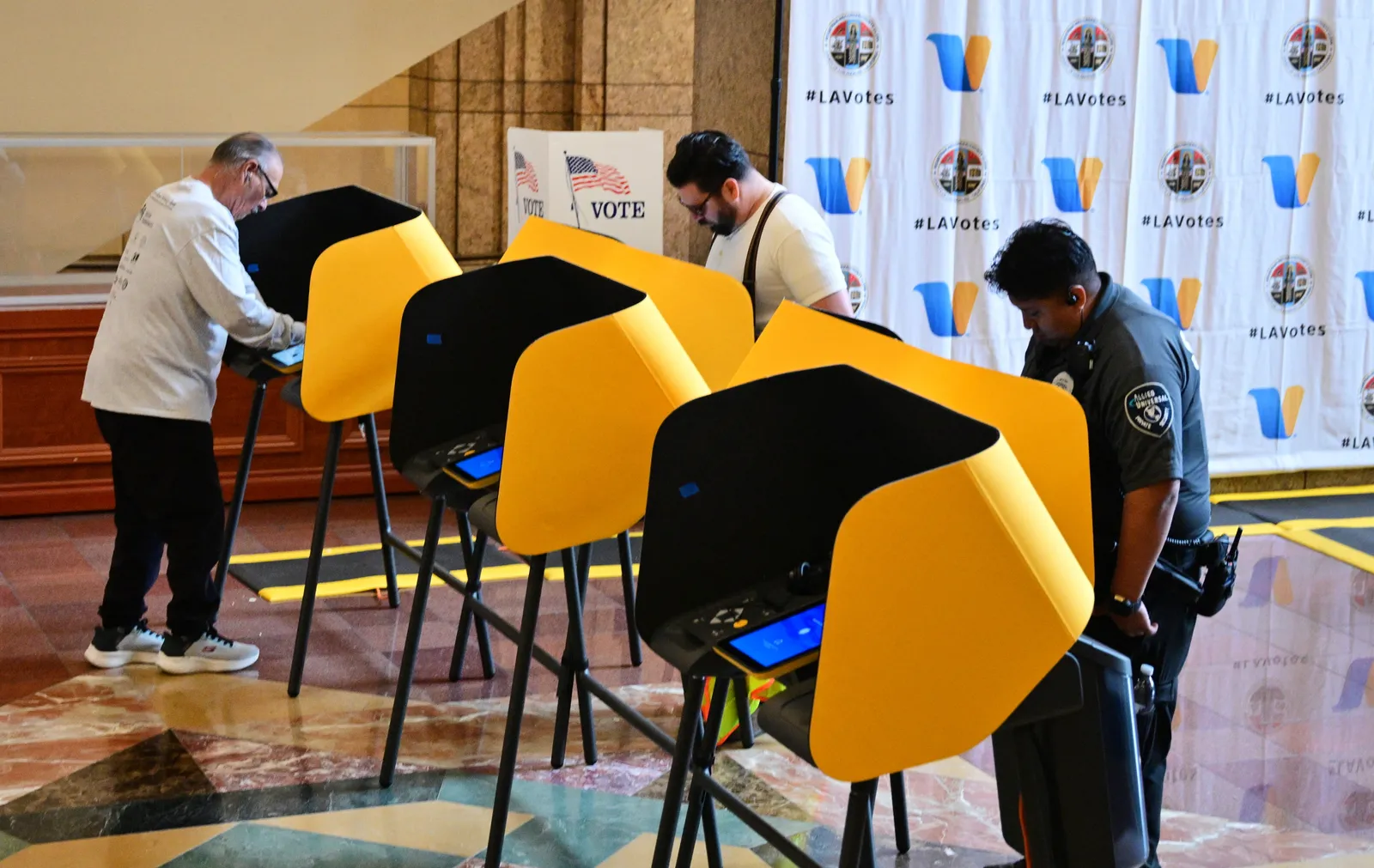
LA County: DOJ's 20,000 'noncitizen' voter list is 'unreliable,' includes U.S.-born
Preliminary review by Los Angeles County election officials finds errors in the federal list, raising the stakes for voter roll integrity ahead of November.
Trump's $1.5B Pentagon chip investment lands in North Carolina
A $1.5 billion defense infusion for North Carolina chipmaking signals a new era of Pentagon-backed reshoring - here's what it means for the industry.
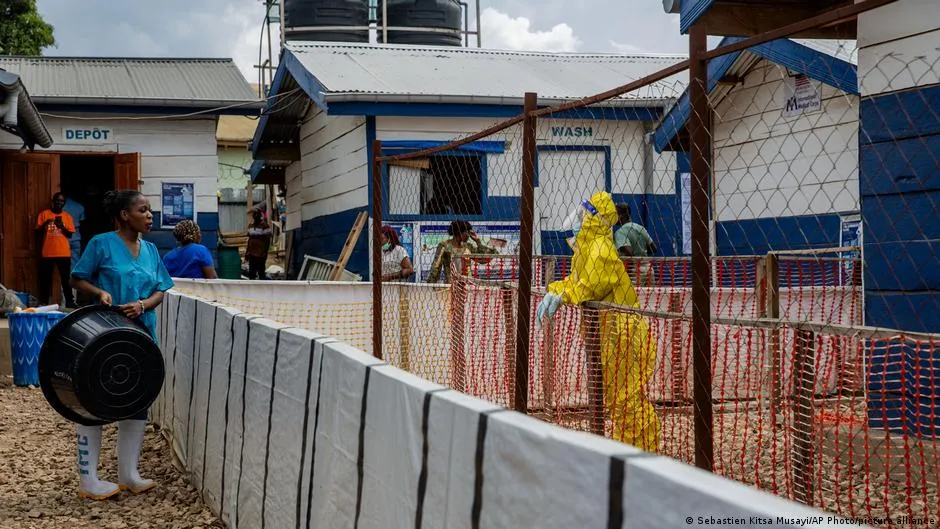
Nigeria confirms first Ebola case in Abuja, a woman just off a Uganda flight
Health Minister Muhammad Ali Pate says the patient flew in from Uganda, putting Africa's latest outbreak on Nigeria's doorstep.