
Minions & Monsters hits best-in-franchise reviews, critics praise classic-Hollywood references
The seventh Minions film, set in the 1920s, earns a rare consensus: kids slapstick plus grown-up film nerd smarts.
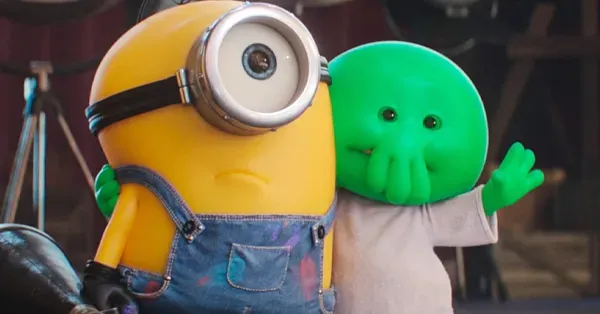
Minions & Monsters, the seventh movie in the Despicable Me/Minions franchise and third solely focused on Minions, has opened with first reviews praising its 1920s Hollywood setup and classic-film references. Decision-makers should note how critics say it delivers on both kids and adult moviegoers, with implications for franchise brand health and audience retention.
Minions & Monsters is getting the best reviews of the entire Despicable Me/Minions franchise, and the “why” is refreshingly specific: critics say it delivers the expected slapstick for kids, then sneaks in unexpectedly sophisticated references to classic Hollywood for film buffs. The movie is the seventh in the franchise, and the third one that is solely focused on the Minions themselves. Set in the 1920s during the early days of Hollywood, it follows a group of Minions as they become silent movie stars and unwittingly unleash monsters upon the world.
That hybrid pitch matters because the franchise has to do two jobs at once. It needs to be immediately legible as a Minions movie, and also it needs to avoid becoming “same-y” entertainment that audiences coast through. According to the early coverage, critics think this one threads the needle. Several reviewers describe it as a silly, light-hearted, entertaining romp that still feels surprisingly thoughtful. Others specifically point to its connection to roots of moviemaking, with references to silent film icons like Charlie Chaplin and Buster Keaton.
A big through-line in the reviews is how director Pierre Coffin, who also voices the Minions, ties the characters’ antics to the actual history of cinema. The New York Post frames the execution as inspired, saying Coffin and co-screenwriter Brian Lynch make the characters’ antics more charming, textually connecting their slapstick to the very roots of moviemaking. IndieWire goes even further, calling it “a fantastic animated kids movie” and describing it as an adult cinephile’s dream, at least until the plot shifts. The Film Verdict similarly emphasizes the love letter framing, calling it an “Old Hollywood” salute that gives the kiddie sequel a jolt of smarts and sentiment.
It is not just “references for references’ sake,” at least in how critics describe it. Multiple reviews highlight structure. One pattern shows up repeatedly: the first half is where the movie feels most alive, most clever, and most rewarding for movie-literate adults. Odie Henderson at the Boston Globe says the first half is loaded with gags movie buffs will love, even if young viewers miss them. The Hollywood Reporter notes the film’s first half is more effective before the monsters enter and the movie shifts toward a more familiar save-the-world style. Frank Scheck’s review at Hollywood Reporter explicitly calls out Chaplin and Buster Keaton homages to classic screen routines, then observes that after that, it leans into the over-the-top freneticism that can afflict animated kid-focused films.
For executives, this “two-act” dynamic is a signal worth studying. The reviews imply the movie’s brand strength is concentrated early: the concept and the setting create momentum, and the callbacks give that momentum additional meaning. That is the opposite of a lot of sequels where novelty thins out as the story becomes more standard. One review at RogerEbert.com, for example, describes the film as an unexpectedly emotional tribute to the communal moviegoing experience, and says it could be the most cohesive and entertaining entry in the series to date, perhaps since the very first Despicable Me. TheWrap also calls the film a dream for adult cinephiles, describing it as an adult cinematic connection point and saying it builds to an open-hearted tribute.
But the reviews also include caution flags, and they are useful. The Guardian criticizes the film for biting off more than it can chew, describing it as circling back to where it started after aiming to lead the Minions in a newer, smarter direction while also appeasing the franchise’s gibberish-fest expectations. The Austin Chronicle argues that while the opening setpieces are darling and visually inventive, the Hollywood setting becomes “window dressing” for a more generic disaster movie, and that the noise and relentless pace can overwhelm. The Wall Street Journal says the early clever premise gets diluted, with broad physical comedy aimed at 5-year-olds and an ironic wink that is only occasional. Slant Magazine is mixed but still recognizes that the film uses the kid-favorite Minions to smuggle in a celebratory message about theater-going and the enduring power of cinema, even as the extended action climax feels like something seen before.
So what does this mean beyond “critics liked it”? In an industry where kids movies increasingly compete for attention in a fragmented media landscape, winning reviews that explicitly call out cross-audience appeal is a real asset. Several reviewers connect the film’s approach to why old movies matter and how younger viewers engage with cinema history. The RogerEbert.com review even frames it as heartening that the movie might expose kids to cinematic forebears that made the Minions possible, and that anxiety exists about young ones pulling away from movies older than when they were born. While that is commentary, the underlying commercial idea is straightforward: if you can convert a family’s “screen time” from passive background to shared moviegoing, you protect repeat viewing and widen the cultural footprint.
There is also a practical second-order implication for peers managing animated franchises and studio slates: critics are rewarding a specific kind of craft. They are not praising the movie for being “more of the same.” They are praising the use of setting, the early act’s gag density, and the textural references to silent-era cinema routines and icons. Even when critics complain about pacing or formula later on, the consistent best-of-franchise sentiment suggests that audiences might respond to the parts that feel like creative decisions rather than templates.
In short, Minions & Monsters appears to be doing something hard: it delivers kids-first slapstick while also earning credibility with adult film buffs through classic-Hollywood and silent-film callbacks. If you are a studio, producer, or operator thinking about franchise durability, that matters. A best-in-franchise critical opening is not just bragging rights. It is a data point that the brand can evolve without losing its core, and that “family comedy” can still be engineered to create real moviegoing energy.
This story's Key Insights and Take-aways are locked.
Create a free account to unlock Executive Actions for one credit.
Register to UnlockAlways free for Executives Club members. Join the Club
More in Entertainment

Russell Brand's accuser 'bewildered and confused' as he denies 7 sex charges
The criminal case against the comedian is a live test of how media companies manage talent risk when serious allegations go public.

'It's a Magic Trick': Ballet Experts Say Rosalía's SNL Pose Is Impossible
Three ballet experts tell Rolling Stone Rosalía's gravity-defying SNL stillness shouldn't be possible - and why the debate is now part of the show.

Activision CMO: GTA 6 Will Boost Call of Duty, Not Bury It
Activision's top marketer says Rockstar's blockbuster will drive players back to consoles and into Modern Warfare 4, even as the company admits its recent strategy failed.