

Mixtape turns one afternoon of messy teenage drama into a meticulously curated soundtrack
The Nintendo Switch, Xbox Series X/S, PC, and PlayStation 5 coming-of-age game is short, low-stress, and music-obsessed.
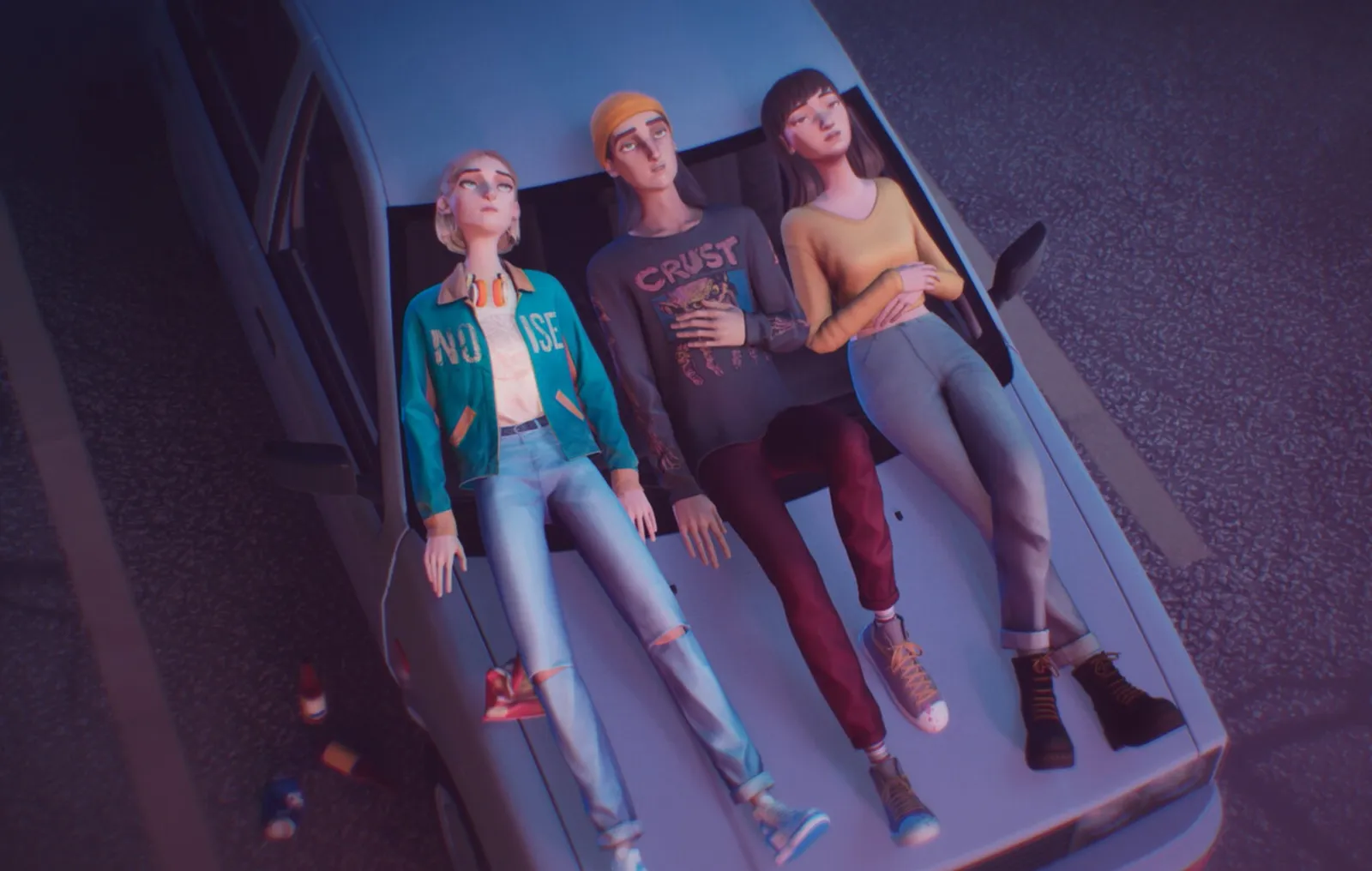
Mixtape, from indie developers Beethoven and Dinosaur, is an interactive graphic novel coming-of-age story set in Blue Moon Lagoon during the 1990s, released now on Nintendo Switch, Xbox Series X/S, PC and PlayStation 5. For decision-makers, it’s a clear example of how tightly-scoped gameplay and soundtrack-led design can win attention in a crowded market.
Mixtape is built like a mixtape itself: quick to start, easy to finish in one sitting, and designed to land emotionally through the music first. The core pitch is pretty simple. It is a coming-of-age interactive storybook experience with only one narrative thread to follow, and it can be completed in a single sitting. That matters because it directly challenges the modern gaming reflex to grind. If you are used to spending hundreds of hours squeezing every last secret out of massive open-world games like Elden Ring, or chasing frustrating limits in Fortnite, Mixtape offers a baffling proposition. Then it proves you wrong within minutes, when DEVO's euphoric synthpop gem "That's Good" kicks in while you skateboard through a sun-kissed north Californian countryside.
The story is just as deliberately contained. Set in the fictional town of Blue Moon Lagoon at some point during the 1990s, it follows a trio of teenage best friends planning one last night together before college and post-high school jobs split them apart. You play as Stacey Rockford, who wants to escape her "Big Suck" hometown, join her older sister Debbie in New York, and become the world’s greatest music supervisor, even if that means ditching a planned road trip with her besties. Meanwhile, there is chilled out stoner Van Slater who does not want anything to change, and Cassandra Morino, the overachiever looking forward to a life away from her parents’ sky-high expectations. This is not branching quest design, it is a focused emotional run.
What keeps Mixtape from feeling like a gimmick is how it uses interactivity as a flavor, not a burden. Yes, there are mini-games. You control the tongues involved in a sloppy, awkward first kiss. You explore a bedroom for pieces of a map leading to boozy treasure. You put the batteries in a handheld Mina Master camera before exploring an abandoned dinosaur theme park. But most of your time is spent watching lush cutscenes play out. Some gamers have been outraged at how little control they have over the story, but the game’s lack of alternative endings is framed as part of the experience, and the review notes it does not take away from the feel-good tale of camaraderie.
That design choice ties directly into the game’s strongest lever: music as structure. The indie developers Beethoven and Dinosaur built each chapter around a particular tune, and every needle drop is deployed with pin-point accuracy. The soundtrack is not just “there,” it is the timing mechanism for memory, mood, and even plot beats. The Smashing Pumpkins’ furious "Love" accompanies a moment of adolescent destruction. David Gray’s "Shine" soundtracks a sepia-toned flashback to the three pals decorating their woodland hangout. Jesus and the Mary Chain’s "Just Like Honey" conjures the perfect bedroom hangout vibe. Silverchair’s driving anthem "Freak" powers a headbang-able moment, and Roxy Music’s celebratory "More Than This" lifts a cinematic sequence that mirrors The Perks Of Being A Wallflower’s iconic bridge scene.
Then there is the “cult classics” layer, which is basically how Mixtape makes itself replayable without needing replay. You are also primed to fall in love with John Paul Young’s playful alt-rock gem "Yesterday’s Hero," Harpers Bizarre’s dreamy psychedelic pop "Witchi Tai To," and The Chi-Lites’ trippy "Have You Seen Her." The love letter to playlisting wraps up with The Cure’s "Plainsong". In other words, the game is not just asking you to move through levels. It is asking you to recognize yourself in the soundtrack.
For executives and investors watching this space, Mixtape is a case study in focus. It is easy to play and even easier to fall in love with, according to the review, and its interactive graphic novel approach may put off diehard gamers. But that friction is also the point. By limiting scope to “an afternoon” and removing branching endings, the developers reduce production complexity while increasing reliance on something the market can’t ignore: cultural, emotional recognition. That recognition is portable, shareable, and highly legible for audiences who want the vibe, not the grind.
The commercial signal is there too. At £15.99, the review calls it an all-killer, no-filler experience. The verdict is straightforward: the deliberately messy coming-of-age story and the killer curated soundtrack will tug at your heartstrings. Pros include an ace soundtrack full of iconic hits and cult classics, art style full of personality, and a structure that guarantees you can’t fail at any point in the game. Cons are specific and human: the kissing minigame is still grossing the reviewer out, the skating levels make you pine for Tony Hawk’s Pro Skater, and the game’s shortness also sets expectations.
Strategically, the second-order lesson is about positioning. Mixtape does not compete by demanding your calendar. It competes by respecting your attention span and rewarding it instantly with music-first storytelling. For peers shipping games, this raises a real question: in a market where “more” is often the default, what wins is sometimes “exactly enough,” delivered with enough craft that the soundtrack does the heavy lifting.
This story's Key Insights and Take-aways are locked.
Create a free account to unlock Executive Actions for one credit.
Register to UnlockAlways free for Executives Club members. Join the Club
More in Entertainment

Russell Brand's accuser 'bewildered and confused' as he denies 7 sex charges
The criminal case against the comedian is a live test of how media companies manage talent risk when serious allegations go public.

'It's a Magic Trick': Ballet Experts Say Rosalía's SNL Pose Is Impossible
Three ballet experts tell Rolling Stone Rosalía's gravity-defying SNL stillness shouldn't be possible - and why the debate is now part of the show.

Activision CMO: GTA 6 Will Boost Call of Duty, Not Bury It
Activision's top marketer says Rockstar's blockbuster will drive players back to consoles and into Modern Warfare 4, even as the company admits its recent strategy failed.