
Mizuno builds esports push around athletes, betting authenticity beats pure sponsorship
The Japan sportswear brand is entering esports with an athlete-led approach, and decision-makers should care about how talent strategy gets monetized.
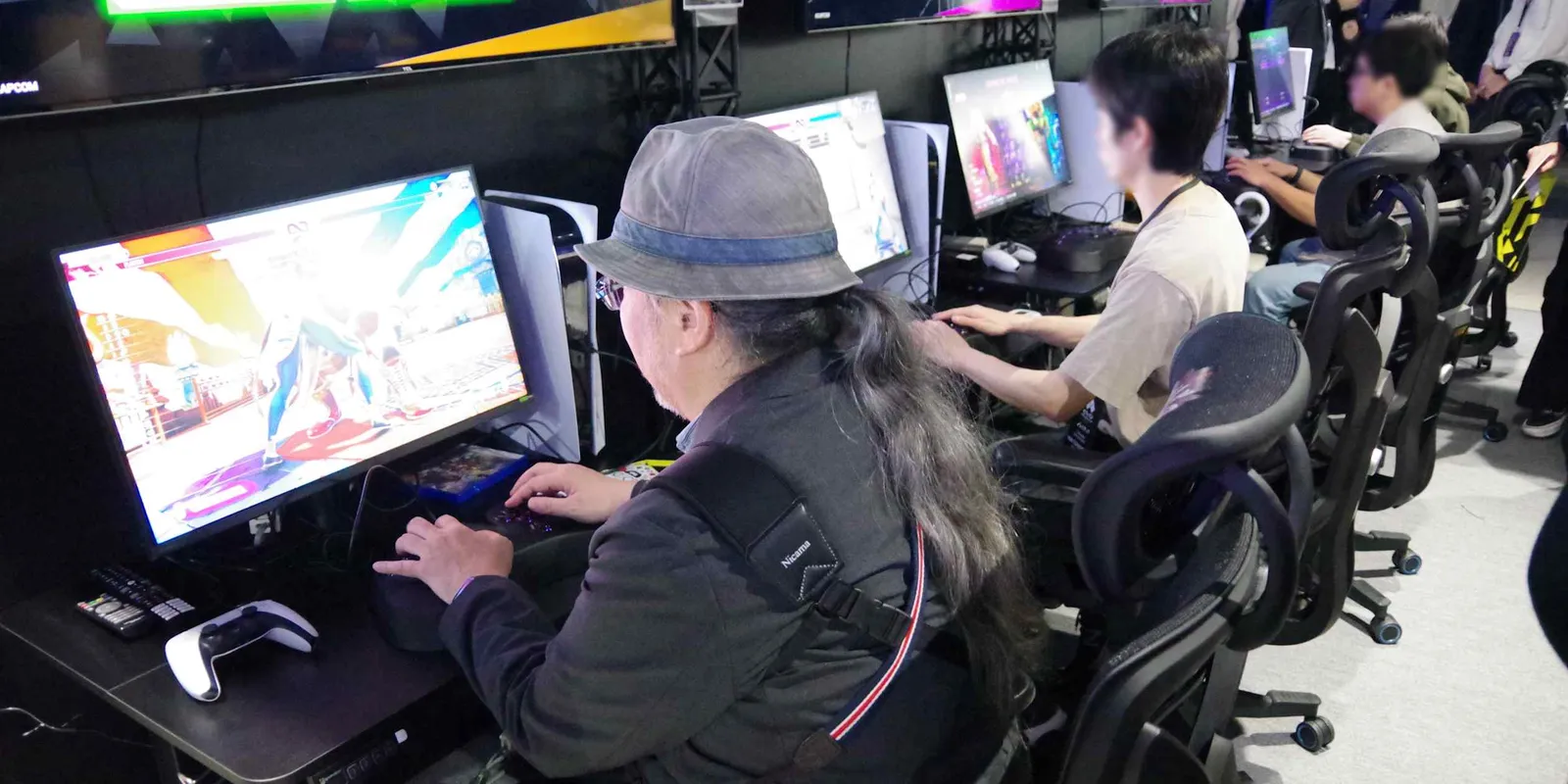
Mizuno is entering the esports market with an athlete-led approach, as described by Nikkei Asia. The move signals a shift in how sports brands may choose partners and build revenue streams in games.
Mizuno is stepping into esports, and it is doing it with an athlete-led approach. That framing matters. In esports, most brand entry stories start with ad inventory, team sponsorships, or content that looks like it was assembled from last quarter's marketing calendar. Mizuno is pitching something different: use athletes as the center of gravity, then let the program grow outward from there.
Nikkei Asia’s report puts Mizuno’s entry squarely in the “talent first” bucket. Athletes are the interface between gaming audiences and the brand, not just logos on jerseys. In other words, the asset is credibility, not only reach. If you are an executive watching brand-tech convergence, the underlying question is simple: can authenticity scale in a market where community trust can disappear faster than a patch.
To understand why Mizuno’s choice is strategically interesting, you have to look at how esports commercialization tends to work. Esports organizations and publishers create competitive ecosystems. Brands then try to attach themselves to that ecosystem through sponsorships, activations, and sometimes product. The risk is that esports audiences are unusually sensitive to “brand cosplay.” If the brand show up without a real reason to be there, it can feel transactional. Athlete-led approaches can reduce that risk because athletes already have established relationships with fans. Fans do not follow an esports team only for titles. They follow people.
This is also where sportswear and gaming overlap in a way that is more than aesthetic. Mizuno’s core is athletic performance and equipment culture. Esports is not a physical sport in the traditional sense, but it is still performance-driven. The athlete-led approach is a bet that Mizuno can translate performance identity into gaming, and that the athletes can do the translation better than a generic marketing team.
There is a second layer, and it is board-level relevant: who gets the power in the relationship. Sponsorship deals often put brands in a reactive position. Teams and creators control the schedule, content cadence, and audience narrative. An athlete-led approach can invert that dynamic. Athletes can act as program leaders, which affects everything from commercial packaging to what “success” looks like in the first year. For a CFO, that means metrics may shift away from impressions toward engagement and conversion paths that are harder to model but easier to defend if they track over time.
Regulatory context matters too, even if the story is about marketing. Esports is governed across multiple layers: publisher rules, tournament frameworks, and increasingly strict norms around advertising, sponsorship disclosures, and athlete rights. In many jurisdictions, consumer protection standards are tightening, particularly around how marketing is presented to audiences. An athlete-led strategy may require more careful structuring of content and endorsements, because the line between “personal brand” and “advertisement” can get blurry. Executives should assume their legal and compliance teams will get pulled in earlier than they would for a straightforward logo placement.
Second-order implications for other sports and lifestyle brands are obvious. Mizuno’s entry is not just “another sponsorship.” It is a signal about how to enter a market that rewards narrative legitimacy. If athlete-led programs prove durable, they could become a template: recruit or partner with recognizable competitive talent, build content and product stories around them, and create a feedback loop between performance credibility and commercial distribution. The brands that only chase short-term visibility may find themselves outcompeted by brands that can build longer-term attachment.
For boards and leadership teams evaluating similar opportunities, the strategic stakes are straightforward. Esports markets move fast, and audience trust is fragile. Mizuno is betting that centering athletes improves credibility and reduces the likelihood that the brand looks like an outsider. If that bet lands, it could reshape how sponsorship partnerships are structured across games. If it does not, the pain point will show up quickly, because in esports you can lose goodwill just as fast as you can gain it.
This story's Key Insights and Take-aways are locked.
Create a free account to unlock Executive Actions for one credit.
Register to UnlockAlways free for Executives Club members. Join the Club
More in Entertainment

12TB Steam 'teraleak' goes beyond Valve: GTA 3, Mafia 2 prototypes exposed
A 12-terabyte dump of Steam data reveals prototypes and builds of third-party classics like GTA 3 and Mafia 2, plus unreleased Valve content, rewriting game history.

LinkedIn's romance problem: 1 in 4 workers say dating on it is fair game
A new survey shows a quarter of U.S. employees treat the professional network as fair game for romance, even as LinkedIn bans it and removes hundreds of thousands of offending posts.

Enhypen's first No. 1 album breaks K-pop's Billboard 200 streak
The K-pop group's 98,000-unit debut tops the chart while Dolly Parton's catalog reentry shows how death reshapes streaming.