

Modi pitches Asia-Pacific influence on Indonesia, Australia, and New Zealand trip
Prime Minister Narendra Modi’s week-long route signals where India wants leverage in Asia-Pacific politics and trade.
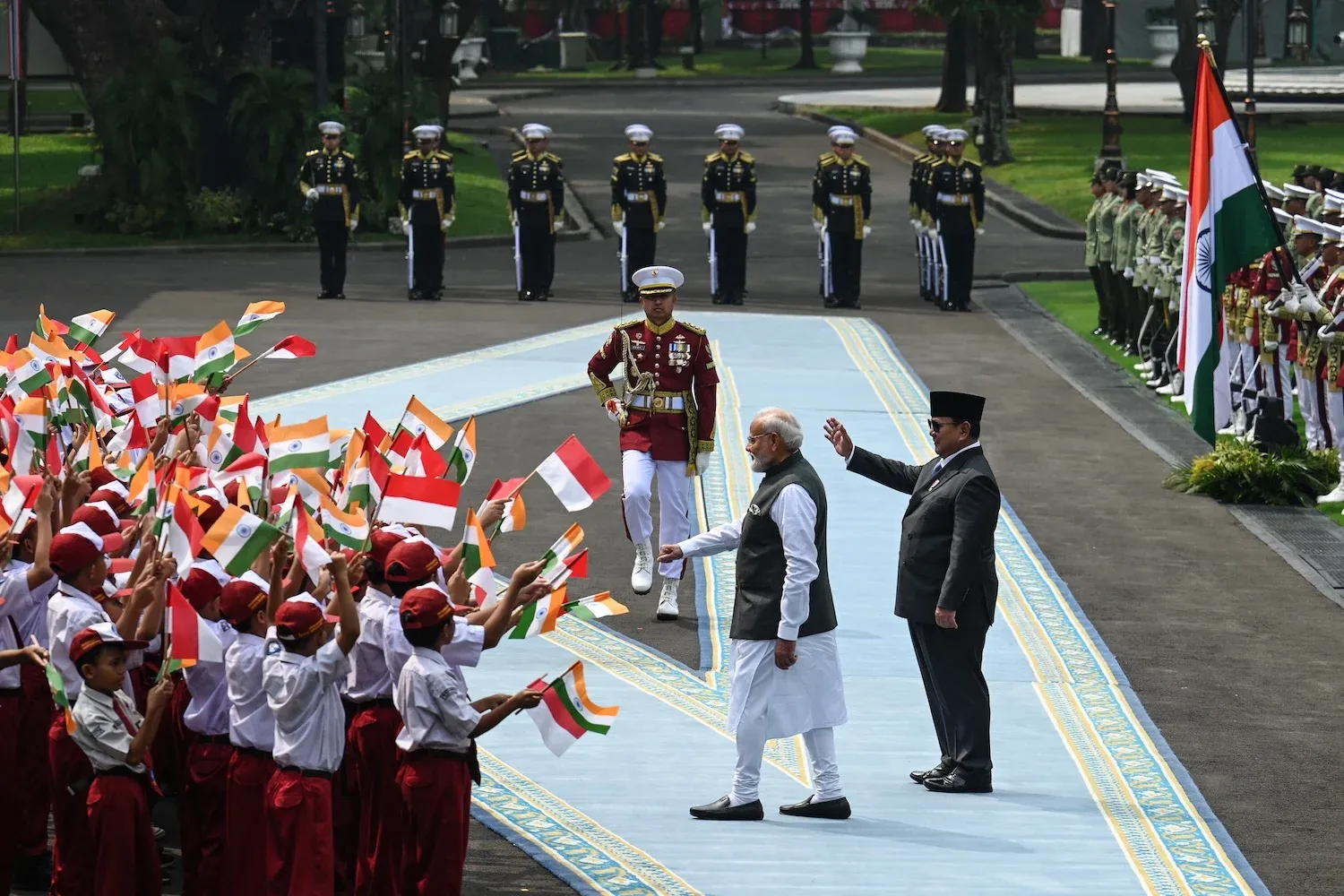
Prime Minister Narendra Modi is traveling to Indonesia, Australia, and New Zealand this week as he seeks to project influence across the Asia-Pacific. For decision-makers, the itinerary matters because it maps India’s priority relationships and potential diplomatic momentum affecting regional business.
Prime Minister Narendra Modi is on an Asia-Pacific push this week, traveling to Indonesia, Australia, and New Zealand as he seeks to project influence across the region. The basic fact is simple, but the subtext is not: when a prime minister chooses a specific set of capitals in a specific sequence, it telegraphs where he wants cooperation, where he expects friction, and where India wants to be seen as an indispensable partner.
This trip, by design, lands on countries that sit at the intersection of trade routes, energy and commodities, and the politics of regional alignment. Indonesia is a major node in Southeast Asian supply chains and a country with its own large domestic priorities. Australia matters for its economic weight, including key commodity flows that businesses across Asia and beyond depend on. New Zealand, smaller but strategically located in the Pacific, is often where regional relationships can be less about volume and more about trust, frameworks, and long-term coordination. Taken together, the stop list is an influence map, not just tourism.
For executives, there is a familiar pattern here. Government leaders do not just chase optics. They set the tone for what comes next in negotiations, regulatory cooperation, and cross-border deals. Even when no single business agreement is announced in the moment, a high-level visit can accelerate the internal “yes” process later. That happens through relationships between officials, alignment on timelines, and the quiet work of making future proposals feel normal. In the Asia-Pacific, where companies operate across jurisdictions and regulatory regimes, that normalization is real value.
It also matters because regional influence tends to show up in the structure of decision-making. Companies often think in terms of contracts and compliance, but governments think in terms of blocs, standards, and leverage. A visit like this can shape which standards become the default, which ports and infrastructure projects gain priority, and which partnerships are treated as strategically important. In practical terms, that can affect everything from import-export friction to data and cybersecurity coordination, and from procurement preferences to how sanctions or export controls get interpreted.
There is also a second-order dynamic that tends to be overlooked in executive briefings: internal alignment. When leaders travel, their ministries and agencies usually align behind a shared narrative and a shared set of priorities. That alignment can reduce bureaucratic churn, speed up approvals, and make it easier for counterparts to act. For board members and C-suite leaders, the implication is straightforward. Watch not only for announcements, but for the follow-on. The most consequential business outcomes often come after the headlines, when agencies, trade officials, and regulators start converting political momentum into workable policies.
Zoom out to the business environment these relationships feed. The Asia-Pacific is one of the main theaters of global trade and investment flows, and supply chains have been reshaped over the past few years by disruptions, security concerns, and shifting consumer demand. In that context, India’s push to “project influence” is partly about economics, but also about positioning. If India can strengthen cooperation with Indonesia, Australia, and New Zealand, it can increase its ability to shape rules of the road that companies then have to navigate. Firms with exposure to regional logistics, energy, agriculture, telecommunications, and defense-adjacent industries will feel that ripple, even if it starts as diplomacy.
Finally, there is the competitive governance angle. When one major player tries to deepen ties across the region, others respond. That means the trip can trigger recalibrations by partners and competitors alike. Executives in neighboring markets will pay attention to how India frames its role, what areas it highlights for collaboration, and which counterpart relationships it emphasizes. Even without specific deal details provided here, the itinerary itself is a meaningful signal to governments and companies planning for the next negotiating cycle.
In short: Modi’s week-long travel to Indonesia, Australia, and New Zealand is a concentrated attempt to project influence in the Asia-Pacific. For decision-makers, the strategic stakes are that these relationships can translate into smoother coordination, faster policy movement, and new pathways for regional partnerships. If you lead a company operating across the region, this is the kind of political itinerary you should track, because it often becomes operational reality on a timeline that starts quietly and arrives fast.
This story's Key Insights and Take-aways are locked.
Create a free account to unlock Executive Actions for one credit.
Register to UnlockAlways free for Executives Club members. Join the Club
More in Politics

Glacial collapse, not rain, killed 180 in Nepal's Himalayan flood
The Himalaya's extreme geography hid the true cause of Nepal's catastrophic flood, a glacial collapse that turned a geological battleground into a mass-casualty zone.
Iran’s Esmail Baghaei says Oman talks start shipping via Hormuz, not US talks yet
Temporary route plans with Oman aim to restart commerce while Tehran says Washington dialogue is not on the table.

Standards watchdog opens probe into Reform UK deputy leader Richard Tice over interests
The parliamentary standards commissioner says it began an investigation on 28 July into a possible undeclared interest.