
Momenta gets CSRC filing notice for Hong Kong IPO after US listing setback
Mainland approval edges Momenta closer to a Hong Kong share sale, signaling how China AI roadmaps are being funded.
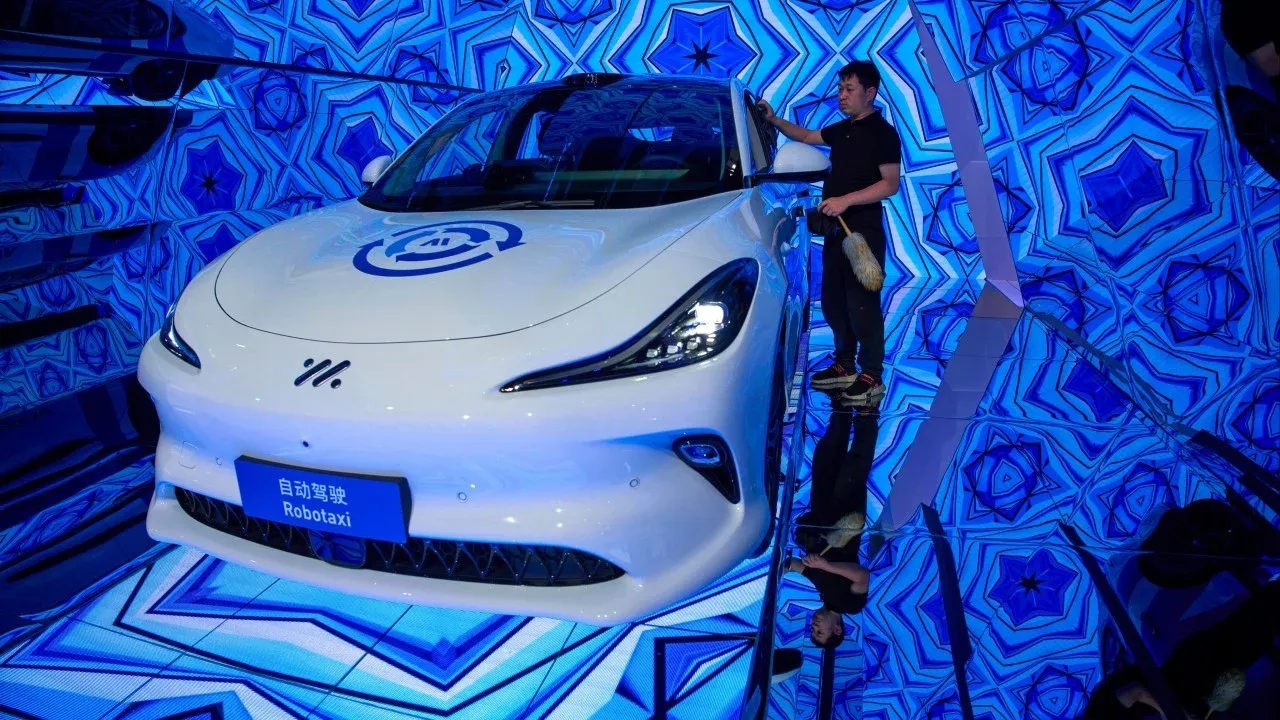
Momenta, a Chinese autonomous-driving start-up, moved closer to a Hong Kong IPO after mainland China’s securities regulator disclosed a filing notice approving its proposed share sale. For decision-makers, the approval highlights how intelligent-driving firms are using capital markets to accelerate research, product development, and commercialization.
Momenta is taking another step toward a Hong Kong initial public offering, and the paperwork matters. Mainland China’s securities regulator disclosed a filing notice approving the proposed share sale, which brings the autonomous-driving start-up closer to launching the deal in Hong Kong.
This is not just a local milestone. The proposed listing would add another autonomous-driving company to Hong Kong’s market, coming after a US listing setback for Momenta. In other words, when one door stalled, Momenta’s path shifted toward Hong Kong, where Chinese intelligent-driving companies have been raising capital at a steady pace.
The new filing notice is the clearest signal so far that the regulatory process is moving forward. In China’s capital markets ecosystem, approvals and disclosures are what turn an IPO from a concept into something that can actually be scheduled. A “filing notice approving the proposed share sale” is essentially the regulator saying the initial go-ahead box is checked, even if the broader journey to pricing and trading still involves additional steps.
Why Hong Kong, why now? The SCMP piece frames the move as part of a wider wave of capital-raising by Chinese intelligent-driving firms. Those companies are chasing funding specifically for research, product development, and commercial expansion. That matters because autonomous driving is not a “ship a feature and scale” business. It is expensive, timeline-heavy, and execution sensitive, with progress dependent on data, engineering iterations, and the ability to convert prototypes into deployable systems.
So the market question for executives is simple: who can finance the long middle? When regulators and exchanges become the bottleneck, firms look for the next viable venue. Momenta’s shift toward a Hong Kong IPO after a US listing setback underscores that international capital access is not guaranteed, and timing risk can be real. If a listing path in one market stumbles, the ability to pivot to another venue becomes a strategic advantage.
There is also a portfolio and peer-effect angle for boards and investors. Hong Kong’s listings of Chinese intelligent-driving and autonomous-driving companies are increasingly read as a barometer for investor appetite in the sector. If more names clear regulatory hurdles and advance toward trading, it can reinforce confidence that intelligent-driving is investable beyond the hype cycle, and that capital markets will fund the “buildup phase” rather than only late-stage winners.
For Momenta specifically, the proposed share sale is the financial mechanism behind the operational agenda. The SCMP summary is explicit that these funds are generally needed for research, product development, and commercial expansion. That is the translation investors care about: financing that can extend engineering capacity, accelerate commercialization milestones, and fund the iterative loop that autonomous-driving systems require.
If you are an executive at a similar company, the second-order lesson is about sequencing. Regulatory disclosures can act like a scoreboard. A filing notice is not the same as a completed listing, but it can shift internal and external expectations, giving management clearer runway to prepare. It also sends signals to partners, employees, and potential investors that the company is still executing on a capital plan, even after disruption in another market.
Taken together, Momenta’s closer-to-Hong-Kong move suggests something broader about how the industry is being financed: when funding windows open, intelligent-driving firms want to be ready. And when one listing route is blocked, the firms with the best organizational readiness and capital-market flexibility move quickly to the next route. For decision-makers tracking the sector, the filing notice is a concrete datapoint, and it also reinforces the pressure on peers to be IPO-ready, because the market is watching the queue.
This story's Key Insights and Take-aways are locked.
Create a free account to unlock Executive Actions for one credit.
Register to UnlockAlways free for Executives Club members. Join the Club
More in Business

A flaw in PHP just forced governments to pull their own sites offline
European agencies from Belgium to Germany took websites dark to patch a critical weakness in the language behind almost 70% of the web, and the blast radius extends far beyond government portals.

BioWare shuts down, Mass Effect 5 dead after $55B EA buyout
The legendary RPG studio's closure lands months after a $55 billion investment group buyout of EA, raising tough questions for gaming's biggest acquirers.
Musk weighs Tesla-SpaceX mega-merger as boards form review panels
Special committees at both companies will examine a tie-up that could fuse electric vehicles and space launch, forcing a fresh look at governance and valuation.