

Morocco vs France is the test: can Africa get its first true elite nation?
A high-stakes matchup that turns Morocco's academy and diaspora blueprint into a measurable claim: elite status.
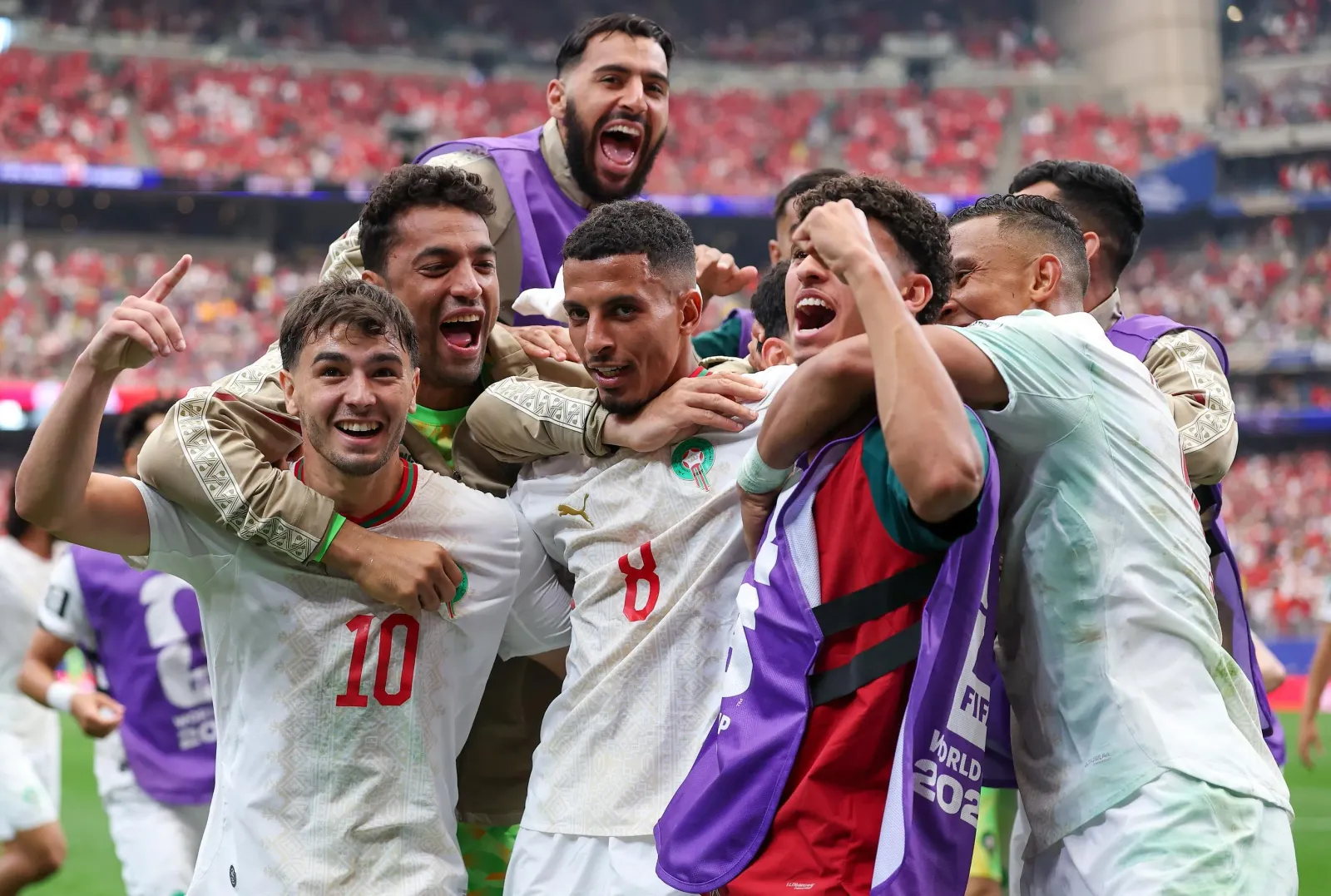
Morocco face France with the chance to become Africa's first elite soccer nation, built on years of academy work, diaspora strategy, and tactical evolution. For decision-makers, the matchup is a live stress test of whether long-term talent systems beat raw moments on the pitch.
Morocco face France tonight with a chance to become Africa's first elite soccer nation. That phrasing sounds like sports talk until you zoom out and realize what is actually being evaluated: not a single goal or highlight, but whether a country can turn structured player development into consistent, top-level results against the world’s best.
In plain terms, Morocco are trying to prove their “elite nation” label is earned through systems, not luck. The Forbes framing is specific: years of academy work, a diaspora strategy, and tactical evolution have brought Morocco to this point. So the question is not whether they can compete in one match, it is whether their pipeline, player pool, and on-field approach can hold up when the opponent is France, which represents a very different model of football excellence.
To understand why this matters beyond fandom, look at how soccer talent is built in the global game. Most countries can generate flashes of talent. Fewer can generate depth, because depth requires years of curriculum, coaching continuity, scouting discipline, and match experience. Morocco’s stated path, through academy investment and development over time, is essentially an attempt to institutionalize the early stages of the athlete journey. That is a long game, and the “elite nation” question is where long games get judged. If the system produces players who can execute under pressure, it becomes a competitive advantage that does not disappear when one star gets injured or moves abroad.
Then there is the diaspora strategy, the second pillar. This is a big deal because diaspora can function like a talent amplifier. When players have eligibility to represent a country different from where they grew up, a national federation can potentially draw from broader pools of training environments, technical coaching, and competitive leagues. For Morocco, this means not just finding talent locally, but identifying players connected to Morocco who have been shaped by diverse football cultures and tactical expectations. In the best case, you get a national team that blends familiarity with the country’s identity and coaching priorities with the professionalism learned in top club settings.
The third pillar, tactical evolution, is the one that turns talent into outcomes. Even when academies and diaspora sourcing work, national teams still have to convert individual quality into collective performance. Tactical evolution matters because international football is a different sport than club football. Opponents prepare game plans around your patterns. Your players have less time together. Your margins are smaller. So the fact pattern here is that Morocco have evolved tactically over time, and this match is the moment where that evolution is tested against one of the most strategically capable programs in world football.
This is also why the stakes are bigger than one result for Morocco’s ecosystem. If Morocco do become recognized as Africa’s first elite soccer nation, that recognition can change incentives across multiple layers. Academies and youth programs become easier to justify, because results create credibility with sponsors, facilities planners, and political stakeholders. Talent retention can improve too, because players often want to feel that representing their national team will be a platform, not a detour. And at the board level, federations and partners can use elite status narratives to secure longer-term funding, improve coaching pathways, and negotiate stronger development relationships with clubs.
There is a second-order implication for other football decision-makers in Africa as well. Morocco’s blueprint is not just about winning matches. It is about whether an “industrial” approach to soccer development can compete with systems that already dominate the global talent hierarchy. If Morocco’s path is validated, other nations will feel pressure to professionalize their academies, clarify eligibility and scouting pathways connected to diaspora communities, and treat tactics as a continuously updated capability rather than a one-off tournament plan. Boards do not copy tactics, but they can copy the governance idea: build repeatable processes that can survive coaching changes and player turnover.
So yes, it is Morocco vs France. But the real scoreboard is institutional: academies that produce; diaspora strategy that expands the pool; tactical evolution that converts that pool into consistent performance. Morocco have an opportunity to prove Africa can have an elite soccer nation that is not just a hopeful label, but a system that delivers on the biggest nights.
This story's Key Insights and Take-aways are locked.
Create a free account to unlock Executive Actions for one credit.
Register to UnlockAlways free for Executives Club members. Join the Club
More in Business

Comcast shares jump 25% as it plans to split NBCUniversal and Sky
The tax-free spin-off could reshape focus, funding, and competition across media and tech for years.

Bungie cuts most Destiny 2 staff as Sony says Marathon still matters
Herman Hulst confirms layoffs affecting most Destiny and some Marathon teams after Bungie admits Destiny fell short.

SK Hynix jumps 11% after seeking up to $29.4B in Nasdaq listing
The chip giant filed for a Nasdaq listing plan that could raise $29.4 billion, instantly reshaping investor expectations.