

Mortal Kombat II hits $128 million and streams this week after a rough theatrical run
The sequel to the 2021 reboot moves from theaters to digital streaming, turning a shaky box office into a new monetization cycle.
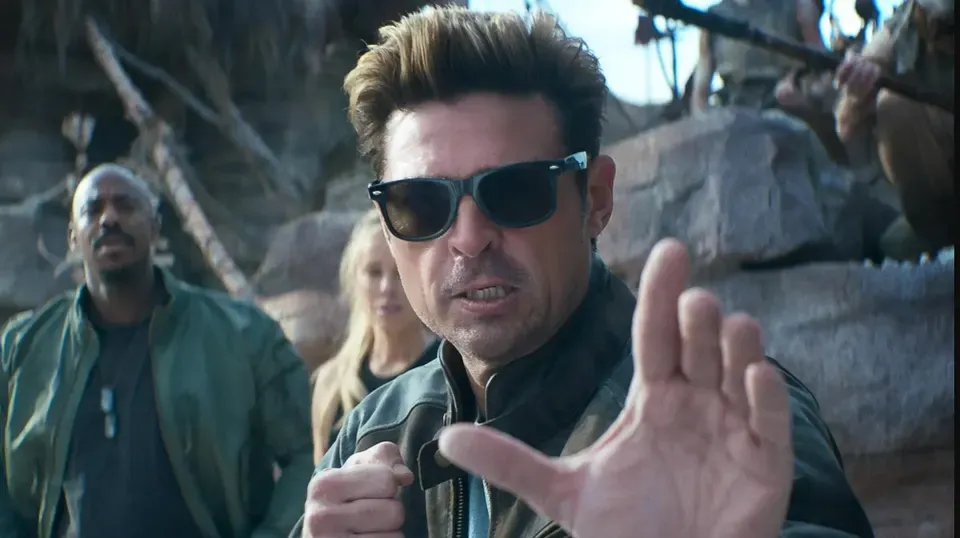
Mortal Kombat II, the sequel to the 2021 movie reboot based on Midway Games' classic video game, is arriving on digital streaming this week. For decision-makers, it is a live example of how film studios shift from theatrical momentum to streaming-based revenue recovery after underperformance.
Mortal Kombat II is arriving on digital streaming this week, after a “rough run in theaters” and a reported path that takes the film to $128 million. That combination matters because it forces studios, investors, and media executives to confront the same uncomfortable question: when theatrical performance disappoints, does streaming reliably pick up the slack, or does it just prolong the conversation?
The quick answer the release creates is that the business has moved on from theaters and is now leaning into the next money window. Mortal Kombat II, the sequel to the 2021 movie reboot based on Midway Games' video game classic, is transitioning into streaming rather than trying to win a second act inside movie theaters. In other words, the distribution strategy is doing what the box office never did: it is converting a post-theatrical title into a digital product at the earliest viable moment.
This is not just entertainment trivia. Distribution timing is one of the highest-leverage levers in media economics because it determines when revenue can start compounding. Theatrical releases ask audiences to show up at a specific place and time. Streaming allows the movie to travel to viewers on their schedules, which can help reduce the friction that hurts films during weak theater runs. When the source says the run was rough, the implication for executives is that the studio is not treating that as a terminal outcome. It is treating it as a temporary signal to recalibrate how the film will reach customers.
There is also a capital-market logic underneath the creative logic. Even when a film has recognizable IP, like a video game franchise with an established fan base, theatrical underperformance can tighten budgets for future projects, influence how quickly studios greenlight sequels, and change how investors underwrite risk. The figure of $128 million is the anchor here. It suggests the film still reached meaningful scale, but that scale did not translate into a smooth theatrical narrative. Moving to streaming becomes the operational response: preserve the asset, extend its lifetime, and seek incremental revenue across a broader set of viewing behaviors.
Regulatory and platform policy can shape how that incremental revenue plays out, even if the headline story is simple. Streaming markets are governed by licensing rules, content rights structures, and consumer-facing requirements that affect how quickly a title can land on specific services, how long it stays, and how it is packaged. The source does not cite specific regulations, but the broader reality for executives is that digital distribution is not a single on/off switch. It is a set of contractual and compliance constraints, plus platform algorithms that decide what audiences actually see.
Second-order implications extend beyond this single sequel. Film franchises in the video game genre live or die by audience attention cycles. If a sequel can move from a weak theatrical window into a digital release “this week,” it demonstrates that the pipeline is designed for resilience. Boards and leadership teams can interpret that as a sign that the studio is actively managing post-release performance, rather than waiting for theatrical results to retroactively justify the project.
For peers with similar portfolios, the strategic stake is clear: the market is watching how studios convert IP value after theaters. The most important part of this story is not only that Mortal Kombat II is streaming. It is the timing decision in the shadow of a rough theatrical run, backed by a $128 million performance reference. Executives in content, distribution, and finance should read that as a reminder that distribution is the business model, not just the delivery method. When one revenue channel underdelivers, the other channels have to be ready on schedule, and the organization has to move decisively enough to make the switch feel inevitable rather than desperate.
This story's Key Insights and Take-aways are locked.
Create a free account to unlock Executive Actions for one credit.
Register to UnlockAlways free for Executives Club members. Join the Club
More in Entertainment

Entertainer Russell Brand denies 7 sex charges amid accuser's 'couldn't breathe' claim
The alleged victim's account sharpens the reputational and legal stakes for Brand, his platforms, and any business tied to a public figure under criminal scrutiny.

Russell Brand's accuser 'bewildered and confused' as he denies 7 sex charges
The criminal case against the comedian is a live test of how media companies manage talent risk when serious allegations go public.

'It's a Magic Trick': Ballet Experts Say Rosalía's SNL Pose Is Impossible
Three ballet experts tell Rolling Stone Rosalía's gravity-defying SNL stillness shouldn't be possible - and why the debate is now part of the show.