
MSG sues Wired for defamation after “Gay celebrities” database story, filed July 16
A federal court fight over “false implication” claims and a hacked risk-score list could reshape how media and venues handle sensitive data.
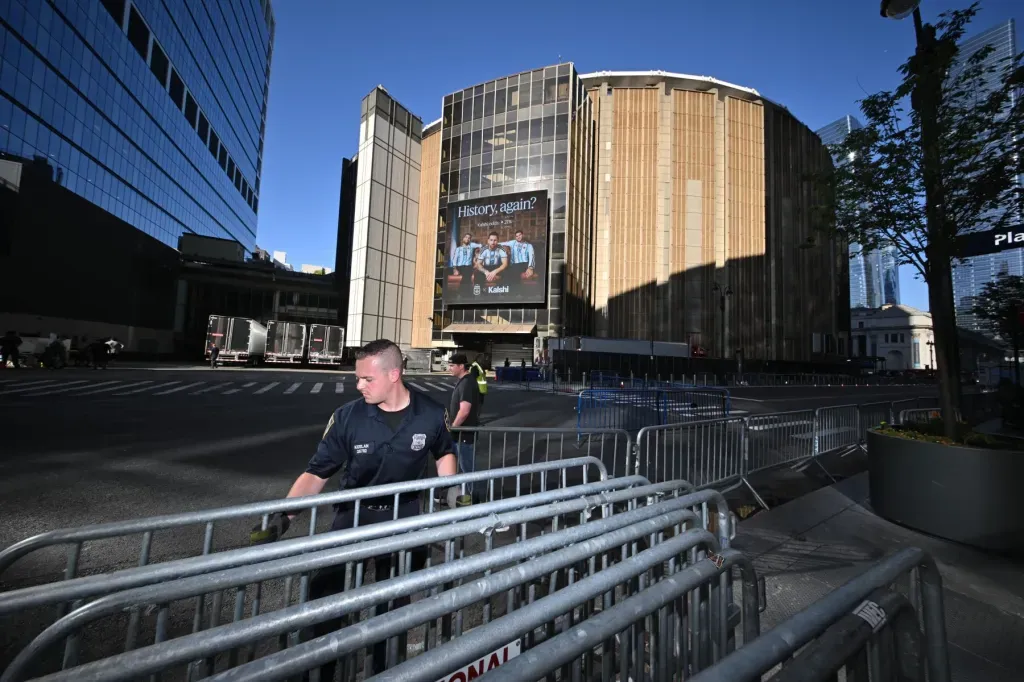
Madison Square Garden (MSG) sued Wired for defamation over a July 9 article alleging the venue kept a database of hundreds of celebrities, including gender identity and sexual orientation tags. The lawsuit, filed July 16 in Manhattan, forces decision-makers to confront how defamation standards, hacked data, and sensitive profiling claims collide in public reporting.
Madison Square Garden is suing Wired for defamation after the publication ran a July 9 story claiming the Manhattan venue kept a database tracking hundreds of celebrities, including their gender identity and sexual orientation. The headline Wire used was “Madison Square Garden Kept a List of Gay Celebrities,” and MSG says that framing created a “false implication” of LGBTQIA discrimination.
MSG filed the case in Manhattan court on Thursday, July 16, and attorneys for the company called the Wired story “shockingly unethical.” In their view, Wired “combed the dark web,” obtained data stolen from MSG by an extortionist hacking group, and then “cherry-picked fragments” to portray MSG as targeting the LGBTQIA community. Wired, for its part, says it stands by the reporting and plans to “vigorously defend it” against what it calls a “baseless and ridiculous lawsuit.”
So what exactly did Wired publish, and where does MSG claim the story went off the rails? According to the Wired article, the database assigned risk scores to various celebrities who might attend the arena, with categories ranging from “low risk” to “DO NOT HOST.” Wired also reported that the database tagged dozens of stars, including Morgan Wallen, Ice Spice, Selena Gomez, Benson Boone, and Fat Joe. The report named additional figures as being on the list, including Ricky Martin, Phoebe Bridgers, and Geese’s Emily Green, with the database allegedly marking them as “LGBTQIA.” The company’s lawsuit is specifically contesting how Wired connected the LGBTQIA tag to surveillance, risk, and discrimination.
MSG’s complaint points to two pressure points in the Wired story: a “sensational headline” and an element of the reporting that, MSG argues, implies a discriminatory system. The Wired article said roughly 100 of the 40,000 people on the list were given the LGBTQIA tag, and that the reason for the label was “unclear.” MSG says that is not just misleading, but is intended to create the impression of “LGBTQIA surveillance, risk, and discrimination.” In MSG’s telling, the story wrongly suggested the venue maintains sexual orientation information in order to identify, track, rank, exclude, or discriminate against LGBTQIA celebrities, artists, guests, fans, and patrons because of sexual orientation or gender identity.
MSG’s lawyers argue the opposite: that “Nothing could be further from the truth - MSG is a fervent supporter of the LGBTQIA community.” The lawsuit also claims the defendants transformed “inclusion into exclusion,” a way of describing how the framing allegedly shifted from whatever internal categorization Wired believed it saw to an accusation of discriminatory intent. Importantly, MSG is not suing just “Wired” as a concept. The case names Wired owner Advance Magazine Publishers Inc., and it also names specific individuals tied to publication: contributing editor Noah Shachtman, co-author Maddy Varner, and global editorial director Katie Drummond.
The backdrop here is the hacking itself. Wired’s list was reportedly part of a trove of documents released by the hacker group ShinyHunters after MSG Entertainment, which also runs the Chicago Theatre, Radio City Music Hall, and The Beacon Theatre, refused to pay a ransom. MSG is facing related class actions tied to that hack on behalf of people whose personal information was allegedly collected and exposed. That matters because the media story and the legal discovery around the underlying breach can become mutually reinforcing. Even if the defamation claim turns on editorial conduct and standards of proof, the hack provides the raw material that a court may scrutinize for how it was sourced, interpreted, and presented.
This is also a reminder of how defamation law operates in the U.S., particularly for reporting about powerful institutions. Defamation cases involving powerful public figures or corporations can be hard to win because an entity like MSG must prove not only that the story was false, but that the publication acted with “actual malice.” In practice, that means showing Wired either knew the story was false or acted with reckless disregard for the truth. That standard is intentionally high, partly to prevent the legal system from being used to restrict free speech. When a story is about sensitive categories, the stakes are even higher, because the argument is not just “it was wrong,” but “it implied a harmful motive.”
For executives watching from the sidelines, this case lands at the intersection of three risk buckets: data security, privacy-sensitive profiling, and reputational litigation. Venues and entertainment companies live on high-volume guest flows, partner networks, and ticketing relationships, which can put them close to personal data at scale. Meanwhile, media companies see themselves as watchdogs, and in Wired’s statement posted to X, the outlet framed the story as part of its “wider mission” and “the critical job of journalists” to hold power to account. The conflict is not subtle: MSG is saying the editorial choices converted stolen information into a discriminatory narrative. Wired is saying it is reporting something it believes the public should know, and that legal action cannot be allowed to chill scrutiny.
The strategic question for boards and senior leaders is simple but uncomfortable: if a hacked dataset contains categories that can be interpreted as targeting or exclusion, who owns the narrative once it is published, and what standard will courts use to judge the interpretation? The answer will not just affect MSG and Wired. It will signal how aggressively courts will test the line between “reporting with source data” and “publishing a false implication,” especially when the story involves risk scoring, tags, and sensitive identity attributes. In a world where breaches generate headlines before they generate resolutions, this kind of defamation fight may become a predictable extension of cybersecurity events, with reputational risk attaching as firmly as legal risk.
This story's Key Insights and Take-aways are locked.
Create a free account to unlock Executive Actions for one credit.
Register to UnlockAlways free for Executives Club members. Join the Club
More in Entertainment

12TB Steam 'teraleak' goes beyond Valve: GTA 3, Mafia 2 prototypes exposed
A 12-terabyte dump of Steam data reveals prototypes and builds of third-party classics like GTA 3 and Mafia 2, plus unreleased Valve content, rewriting game history.

LinkedIn's romance problem: 1 in 4 workers say dating on it is fair game
A new survey shows a quarter of U.S. employees treat the professional network as fair game for romance, even as LinkedIn bans it and removes hundreds of thousands of offending posts.

Enhypen's first No. 1 album breaks K-pop's Billboard 200 streak
The K-pop group's 98,000-unit debut tops the chart while Dolly Parton's catalog reentry shows how death reshapes streaming.