

Mullenweg returns as Automattic CEO after board's ouster attempt
WordPress co-founder regains chairman and CEO role with full board support, ending a brief governance standoff.
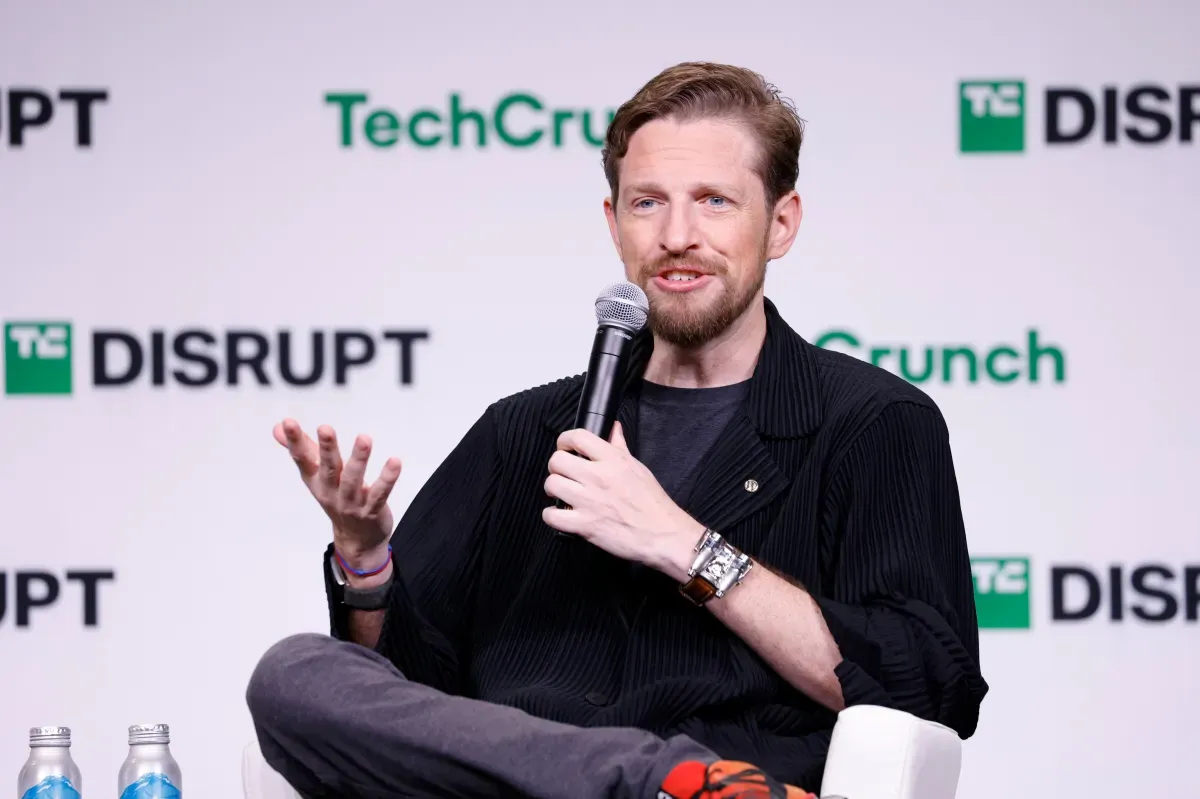
Automattic's board attempted to oust Matt Mullenweg, but he has returned as chairman and CEO with full board support. The reversal signals a reset in governance and underscores the power of founder-led companies.
Matt Mullenweg is back. Automattic confirmed that the WordPress co-founder has returned as "chairman and CEO of Automattic, with full support of the board," according to a statement from the company. The announcement lands just days after reports emerged that the board had attempted to remove him, a rare and dramatic reversal that puts the founder firmly back in control of the company he built from an open-source blogging tool into a web-publishing empire.
The attempted ouster, which the company did not detail, would have been a seismic shift for Automattic, the commercial force behind WordPress.com, WooCommerce, and a suite of tools powering more than 40% of the web. Mullenweg, who co-founded WordPress in 2003 and has served as CEO since Automattic's founding in 2005, is as synonymous with the company as its product. His return with explicit board backing suggests the governance battle has ended - at least for now - and that the board has chosen to rally behind the founder rather than replace him.
For context, Mullenweg has long been a polarizing figure in the open-source community. He has clashed with rivals, most notably in a public dispute with WP Engine, and has been outspoken about the direction of WordPress. Yet his leadership has been central to Automattic's growth, guiding the company through multiple funding rounds, a valuation that reportedly topped $7.5 billion in 2021, and a workforce that has fluctuated with market conditions. The board's attempt to oust him, whatever its cause, would have upended that trajectory and sent shockwaves through the WordPress ecosystem, where Mullenweg's vision is deeply embedded.
The reversal is notable because board ouster attempts are typically final. Once a board moves against a CEO, the damage is often irreparable, and the executive either leaves or is forced out. Here, the board has publicly reversed course, issuing a statement of full support that reads as a reset. For other founder-CEOs, this episode underscores the delicate balance between founder vision and board oversight. It also highlights that a founder's personal brand and community support can be a powerful counterweight to board pressure, especially in companies where the founder is the public face of the product.
For Automattic's stakeholders - employees, investors, and the millions of users who rely on WordPress - the immediate takeaway is stability. The "full support" language signals that the board is now aligned with Mullenweg, which should ease concerns about leadership vacuum or strategic drift. But the underlying tensions that prompted the attempted ouster may not have vanished. Governance battles of this nature often leave scars, and the board's initial move suggests that at least some members were willing to challenge the founder's authority. Whether that challenge was about performance, strategy, or personal differences, the public nature of the reversal means the board has now staked its credibility on Mullenweg's continued leadership.
The strategic stakes extend beyond Automattic. For executives in founder-led companies, this is a case study in how boards can attempt to assert control - and how founders can survive. It also raises questions about the role of boards in companies where the founder holds significant sway, whether through voting control, cultural influence, or simply the loyalty of the user community. Mullenweg's return is a win for him personally, but it also sends a message: in the battle between founder and board, the founder's connection to the mission can be the deciding factor.
Looking ahead, Automattic must now move forward with a unified front. The company faces competitive pressure from hosted website builders like Squarespace and Wix, as well as ongoing challenges in monetizing its open-source ecosystem. Mullenweg's leadership will be critical in navigating those waters, and the board's backing gives him the mandate to do so. For peers in similar roles, the lesson is clear: maintain board alignment early and often, because a public ouster attempt - even one that fails - can distract from the business and erode trust. The best outcome is to never let it get to that point.
This story's Key Insights and Take-aways are locked.
Create a free account to unlock Executive Actions for one credit.
Register to UnlockAlways free for Executives Club members. Join the Club
More in Technology

Insight Partners' Deven Parekh: Why $90B firm won't bet the farm on OpenAI
The VC giant is deliberately staying diversified while rivals pile into OpenAI and Anthropic - and Parekh says he's fine with it.

AI just killed security through obscurity, and the patch backlog is exploding
FBI and Trend Micro researchers confirm AI agents are unearthing decade-old flaws, forcing a record 974-CVE Patch Tuesday and a triage crisis for defenders.
AI staff 'genuinely frightened' for humanity's future, ex-Anthropic researcher warns
A former Anthropic researcher says employees fear AI's trajectory, while the CEO urges a slowdown over 'serious' risks.