
Museums are using data to reshape art visits, not just “move through the art.”
A new visitor experience is emerging, where data-driven curation and shifting tech change what people discover inside museums.
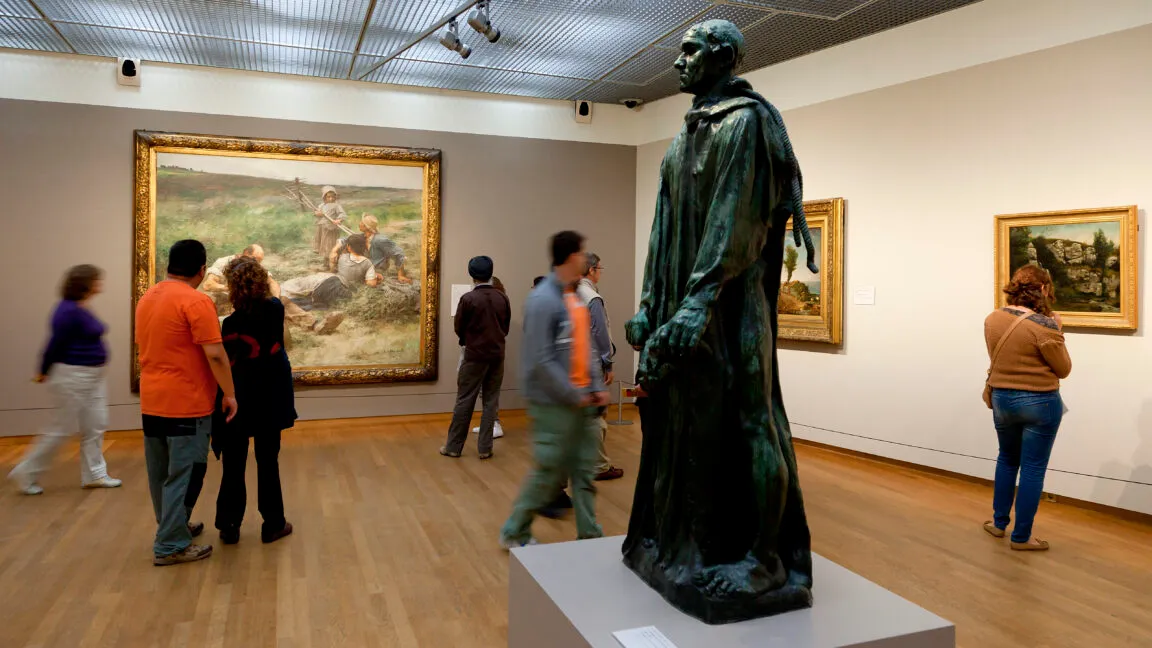
The Ars Technica report describes how art museums are reframing the visitor experience using data-driven curation amid a shifting technology landscape. For decision-makers, the question is whether these changes expand access and learning, or simply optimize engagement for the already-interested.
Giovanni Kanter does not just “visit museums.” He uses them as a discovery engine, then experiments with how he curates what he sees next. The 25-year-old ICU nurse in New York goes to at least one art museum whenever he visits a new city, then says he typically finds new artists and gallery openings through word of mouth. More recently, he has started curating his social media feed to serve relevant content, and he is currently in what he calls a “surrealism phase.”
That personal routine is the through-line the article pulls on: for some visitors, museums are deeply integrated into how they learn about art, how they form taste, and how they keep exploring. Kanter was raised on visual art. He is the son of painter Marianne Gargour and the nephew of mixed-media artist Heather Hutchison and painter-printmaker Mark Thomas Kanter. His “exposure-oriented education” included childhood visits to galleries and shows in and around Dallas, where he grew up, and time in France with his grandparents. He describes what he thinks matters as “moving through the art and absorbing it.”
But Kanter is framed as an exception. Many other young people have a less immersive artistic education, which the article notes might be shaped by occasional school trips or family visits to museums rather than sustained exposure. The museum experience becomes central for them, essentially doing the job that a more continuous upbringing might have done. For boards and museum executives, that distinction is not a feel-good sidebar. It is a resource allocation problem. If visitors arrive without the instinct for what to look for, then the museum experience is what has to build that instinct. And when the experience is what builds instinct, everything from signage to gallery flow to digital interpretation becomes part of the learning pipeline.
That is where the “data-driven curation and a shifting technology landscape” angle comes in. The article’s premise is that museums are increasingly embracing data, but not in a generic “tech transformation” sense. The underlying logic is straightforward: visitor behavior and feedback can be used to understand what people engage with, when they lose interest, and what content actually helps them connect with the work. In practice, this can mean reframing the visitor experience around insights rather than only around curatorial intent.
This is where second-order incentives start to matter. Museums are mission-driven institutions, but they are also organizations that need attendance, donor confidence, and operational stability. Data-driven curation can help them justify programming choices with evidence that their audiences are responding in real time. It can also shift internal dynamics. Curators and educators might push back if “engagement” gets treated as a proxy for “understanding,” or if data becomes a gatekeeping tool that favors what is easiest to measure. The article is essentially highlighting a transition: a museum visit is no longer only about absorbing art in the room, it is also about how technology and data mediate that absorption.
There is also the question of fairness in access to discovery. Kanter’s story includes word of mouth, social media feed curation, and an early education that made galleries feel normal. A visitor who does not have that background can be left to figure things out alone, unless the museum experience is designed to meet them where they are. When an institution uses data to reframe the visitor experience, the opportunity is to reduce the gap between visitors who already know how to “move through the art” and visitors who are encountering that skill for the first time.
For executives, the strategic stakes are basically: will data-driven improvements expand learning outcomes for the broader public, or will they concentrate attention where the audience already self-selects into the “right” kind of visitor behavior? The report points to young people whose artistic education may be less immersive, and to how the museum experience becomes central to how they learn and understand art. That sets a high bar for any data-driven strategy. The goal cannot just be to keep people in the building longer. It has to support the actual cognitive and aesthetic task of learning to absorb what they are seeing.
If you are on a museum board, a cultural startup leadership team, or an investor thinking about cultural infrastructure, this is what you should notice: the visitor experience is becoming a system. It is influenced by family background, school trips, social media discovery loops, and now institutional data about what happens during the visit. In other words, “curation” is no longer only what is on the wall. It is also what the visitor gets to do, notice, and understand while they are there.
This story's Key Insights and Take-aways are locked.
Create a free account to unlock Executive Actions for one credit.
Register to UnlockAlways free for Executives Club members. Join the Club
More in Technology

doubleAI's Maxwell rewrites code while it runs, claims 38x speedups
The Tel Aviv startup's code execution model formally verifies optimizations, turning AI into an agent for the hardware itself.
Saudi military official paid to fly OpenAI bugging suspect's family out, prosecutors say
A court filing says a Saudi military official funded the family's exit and Riyadh offered bail, putting foreign-influence risk squarely on AI boards.
AI researcher's 26,000-word claim: Neural nets aren't tangled after all
Nick Cammarata's Goodfire post has the AI world split - if he's right, monitoring frontier models just got a lot easier.