

Musk backs Tesla-SpaceX merger, hands decision to independent directors
On SpaceX's second-ever earnings call, Elon Musk said both companies formed special committees to explore a combination, with no terms agreed.
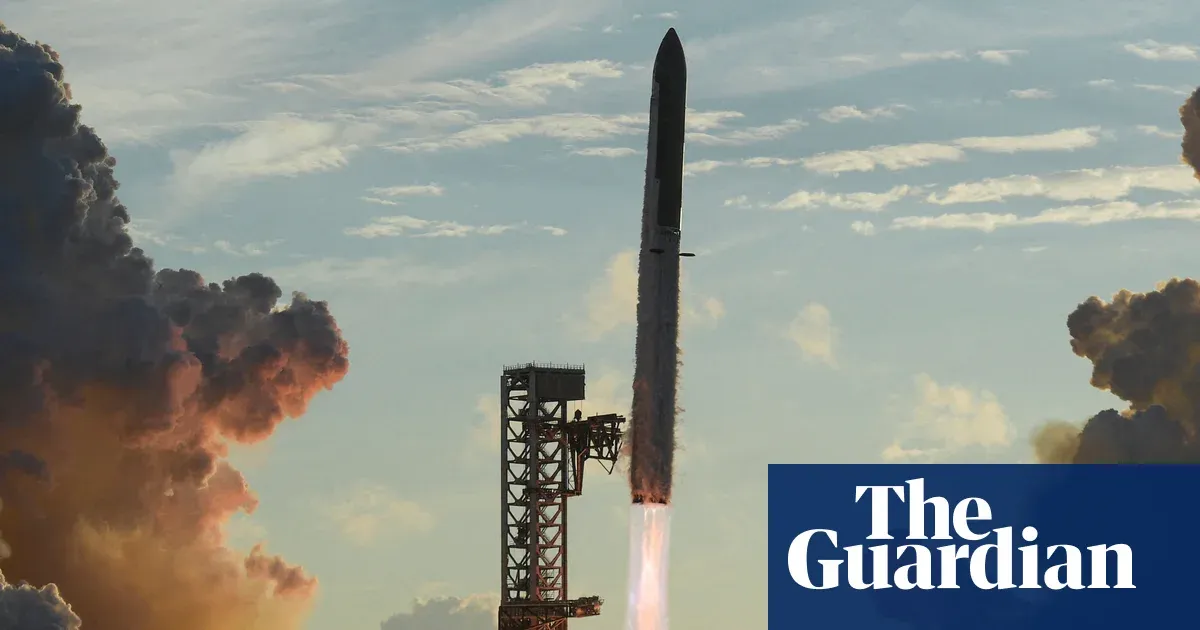
Elon Musk told SpaceX's earnings call that he supports merging SpaceX with Tesla and that both companies have formed special committees of independent directors to explore the idea. No agreement has been reached, leaving shareholders and boards to weigh a combination that would reshape two of the most closely watched companies in the world.
Elon Musk used SpaceX's second-ever public earnings call Tuesday to back a merger between the aerospace and AI company and Tesla, his electric vehicle maker. He said both companies have formed special committees to explore the idea, but stressed that no agreement has been reached. "Both SpaceX and Tesla have formed special committees to discuss this idea at the request of shareholders and these special committees are, uh, consist of independent directors," Musk said. "Because I'm a conflicted party, I can't actually be in the discussions of the special committees."
The disclosure came as SpaceX released its second-ever public earnings report, a rare look at the financials of a company that has historically been private. Musk's comments confirm that merger talks are at an early stage, with independent directors on both sides now tasked with evaluating a deal that would combine a rocket and satellite business with an electric vehicle and energy company. No terms have been discussed, and there is no timeline.
The idea of a Tesla-SpaceX combination is not new in speculation, but Musk's public endorsement is significant. He is the central figure in both companies, and his statement that he is a "conflicted party" acknowledges the governance challenge at the heart of any such deal. By pushing the discussion to independent directors, Musk is trying to create a process that can withstand scrutiny from shareholders and regulators.
The two companies have different business models, capital needs, and regulatory environments. Tesla generates revenue from selling cars, energy storage, and software, while SpaceX earns from launch contracts, Starlink subscriptions, and government work. A merger would require valuing both companies, deciding on a structure, and reconciling their separate shareholder bases. Tesla is publicly traded; SpaceX has a smaller group of investors. The committees will need to determine whether a combination creates value or simply concentrates more power under Musk.
Musk's "conflicted party" comment is a rare admission. He is the largest individual shareholder in both companies, and his compensation and control are tied to their performance. By recusing himself from the discussions, he is signaling that the decision should be made by directors who do not have a personal stake in the outcome. That is a meaningful governance step, though it does not guarantee a deal.
The timing is also notable. SpaceX's earnings call was meant to update investors on the company's financial performance. Instead, the merger question dominated. That suggests shareholder pressure may have been building, since Musk said the committees were formed "at the request of shareholders." It is unclear which shareholders asked, or how much support the idea has.
For executives and boards watching, the episode is a case study in how to handle a founder with interests in multiple companies. The playbook Musk is using is clear: form independent committees, publicly recuse the conflicted party, and let the boards report back. It is designed to protect the process. But it also puts the onus on independent directors to push back if the deal does not make sense.
The outcome is far from certain. Mergers of this scale face antitrust review, valuation disputes, and integration risk. Even if the committees recommend a deal, shareholders would need to approve it. For now, the only concrete facts are that Musk supports the idea, committees exist, and no agreement has been reached. That leaves the door open, but the path is long.
This story's Key Insights and Take-aways are locked.
Create a free account to unlock Executive Actions for one credit.
Register to UnlockAlways free for Executives Club members. Join the Club
More in Business

Musk barred from the room as Tesla, SpaceX boards weigh $3.5 trillion merger
The CEO of both companies is a 'conflicted party' watching independent directors negotiate a tie-up that would create a $3.5 trillion giant he would own about a third of.

Elon Musk just showcased a flying car - and it wasn't at Tesla
The Tesla CEO's latest reveal came at SpaceX, not Tesla, signaling where vertical mobility is headed.

Apple's $2,000 iPhone Duo opens preorders, taking on Samsung and Google
Apple's first foldable hits the market at a premium price, reshaping a category Samsung and Google have led.