

Musk floats Tesla-SpaceX merger as stock rises, says it's no sure thing
Special committees at both companies are assessing a Tesla-SpaceX combination, but Elon Musk says the deal is far from guaranteed, leaving shareholders to weigh the upside against the uncertainty.
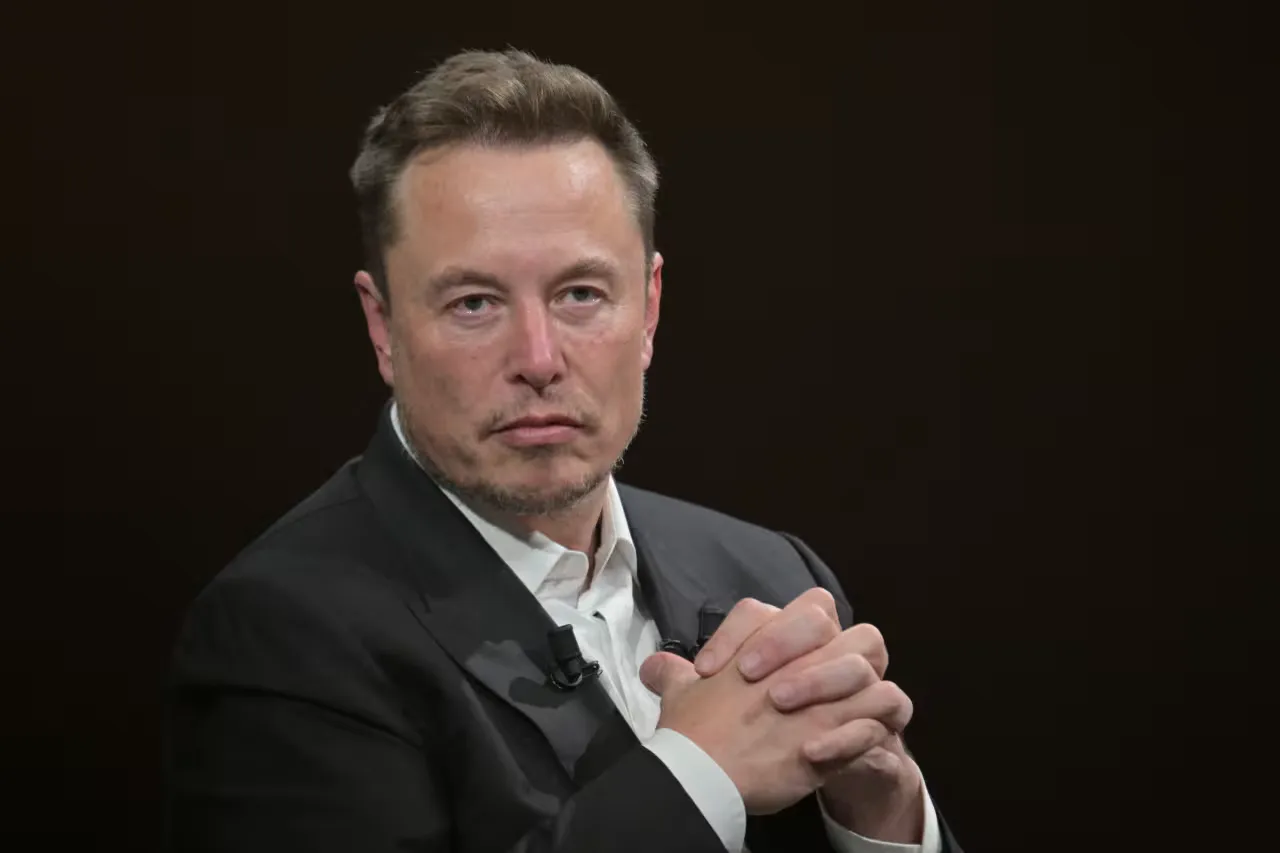
Elon Musk said special committees at Tesla and SpaceX are assessing a possible merger, sending Tesla shares higher. For decision-makers, the prospect of a combined entity would reshape governance, regulatory scrutiny, and capital strategy across two of Musk's most valuable companies.
Tesla shares rose after Elon Musk said special committees at both Tesla and SpaceX are assessing a possible merger between the two companies. The disclosure, made by Musk in a statement that did not specify a timeline, sent a clear signal that the idea is being taken seriously at the board level, even as he cautioned that a combination is no sure thing.
The stock's uptick reflects investor optimism about the potential synergies between the electric-vehicle maker and the space exploration company. But Musk's caveat is critical: the special committees are only in the assessment phase, and many such explorations never result in a deal. The formation of independent committees is a standard first step, not a commitment, and the committees could just as easily conclude that a merger is not in the best interests of shareholders.
For context, Musk serves as CEO of both Tesla and SpaceX, a dual role that creates inherent conflicts of interest in any related-party transaction. Special committees composed of independent directors are typically formed to evaluate such deals and protect minority shareholders from self-dealing. Their creation here signals that the boards are aware of the governance stakes and are taking a cautious approach. In practice, these committees hire their own financial and legal advisors, conduct due diligence, and negotiate terms that must be approved by the full boards and, in many cases, by shareholders.
A Tesla-SpaceX merger would be unprecedented in scale and scope. Tesla is a global leader in electric vehicles and energy storage, with a market capitalization that has made it one of the most valuable automakers in the world. SpaceX, while privately held, is the dominant player in commercial space launch and operates the Starlink satellite internet network, which has become a critical revenue driver. Combining them would create a vertically integrated aerospace and automotive giant, but it would also invite intense regulatory scrutiny from antitrust authorities, national security reviewers, and possibly Congress.
Regulatory hurdles are substantial. SpaceX holds sensitive government contracts, including work with the Pentagon and NASA, which could trigger national security reviews of any ownership or control changes. Antitrust regulators would examine the competitive impact across multiple markets, from satellite internet to automotive technology. Historically, mega-mergers in regulated industries face long review timelines and often require divestitures or other concessions. The Committee on Foreign Investment in the United States (CFIUS) could also get involved, given SpaceX's role in national security space launch.
The financial mechanics of any deal would be complex. Tesla is a public company with a large market capitalization, while SpaceX is privately held with a valuation that has grown through private funding rounds. A merger would require a valuation of SpaceX, likely through a stock-for-stock exchange, which would need approval from Tesla shareholders. The special committees would need to establish a fair exchange ratio, a process that is often contentious in related-party transactions.
For executives and boards watching from the sidelines, the playbook here is instructive. When a CEO with dual roles floats a merger, the immediate formation of independent special committees is the first line of defense for governance. The market's positive reaction shows investors see potential upside, but the "no sure thing" caveat is a reminder that exploration is not execution. Boards in similar situations should note that the mere announcement of a committee review can move stock prices, so communication strategy matters.
The bottom line: the stock move is a vote of optimism, but the real signal is the committees' mandate. Their assessment will take time, and any deal would face a gauntlet of regulatory and shareholder approvals. Decision-makers should monitor disclosures from the committees for signs of progress or, just as likely, the quiet abandonment of the idea. For now, the only certainty is that the idea is officially on the table, and that alone is enough to move markets.
This story's Key Insights and Take-aways are locked.
Create a free account to unlock Executive Actions for one credit.
Register to UnlockAlways free for Executives Club members. Join the Club
More in Business
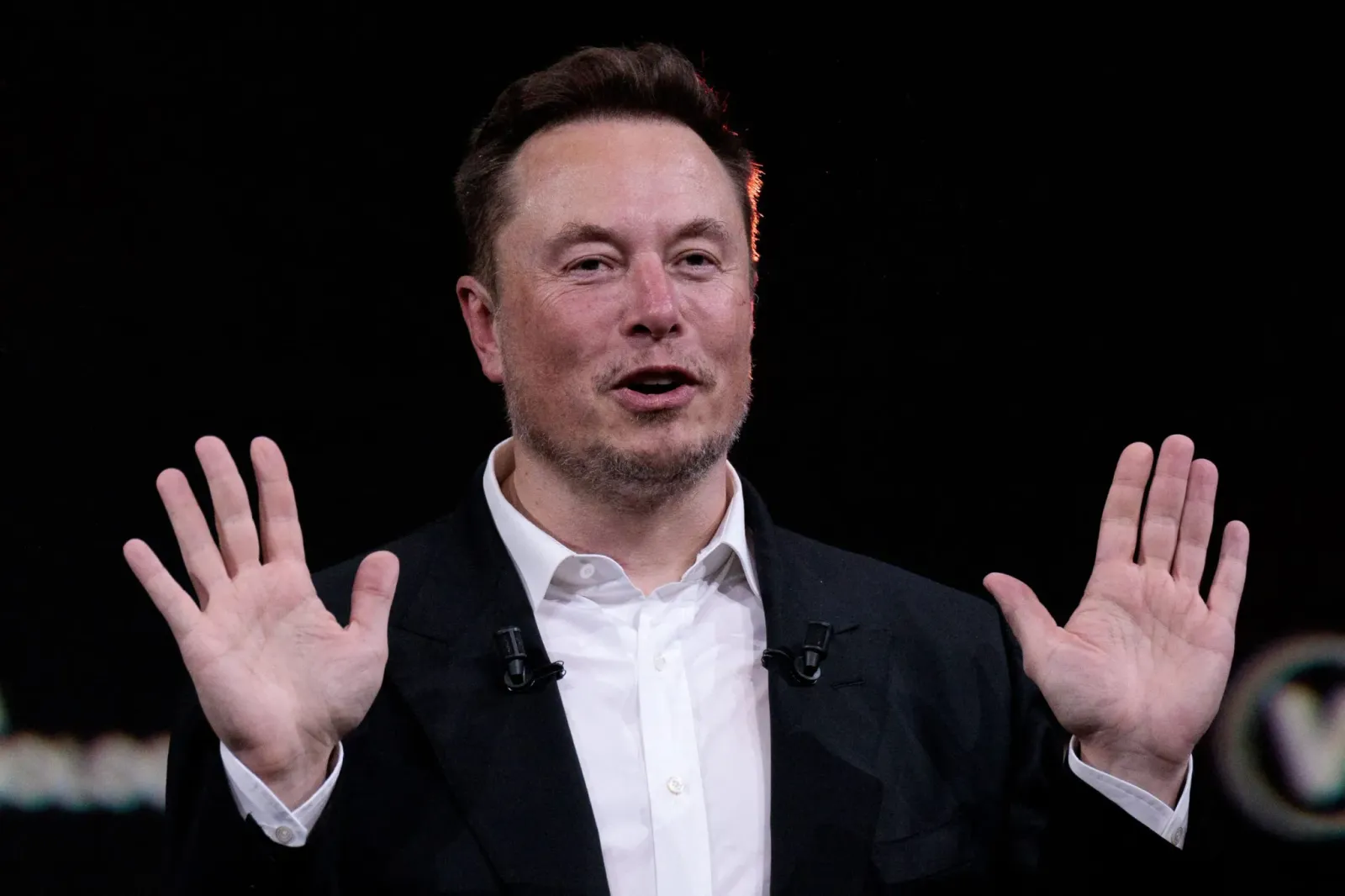
Musk barred from the room as Tesla, SpaceX boards weigh $3.5 trillion merger
The CEO of both companies is a 'conflicted party' watching independent directors negotiate a tie-up that would create a $3.5 trillion giant he would own about a third of.

Elon Musk just showcased a flying car - and it wasn't at Tesla
The Tesla CEO's latest reveal came at SpaceX, not Tesla, signaling where vertical mobility is headed.

Apple's $2,000 iPhone Duo opens preorders, taking on Samsung and Google
Apple's first foldable hits the market at a premium price, reshaping a category Samsung and Google have led.